

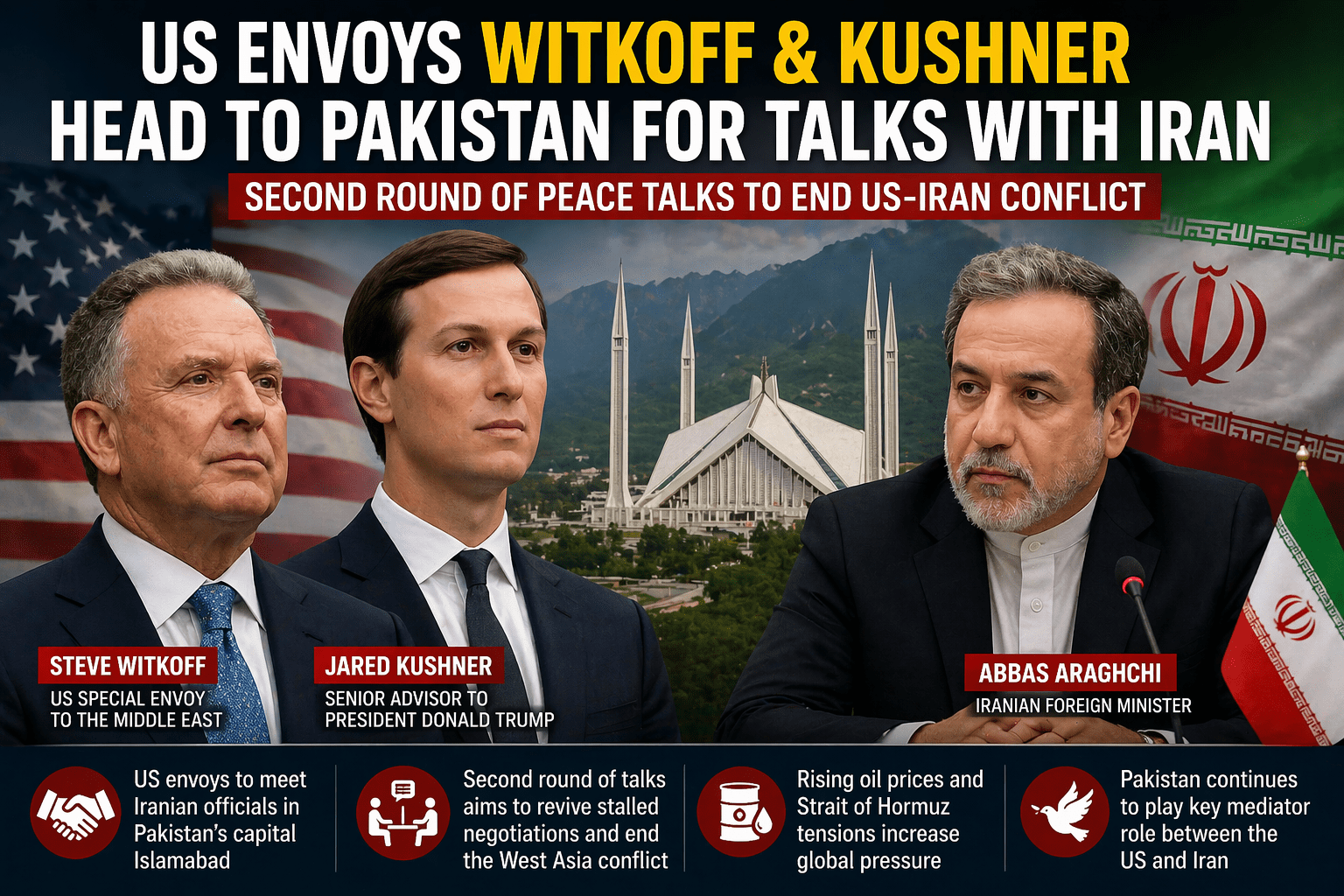
In a renewed diplomatic push to end the ongoing conflict between the United States and Iran, senior U.S. envoys Steve Witkoff and Jared Kushner are set to travel to Pakistan for a second round of high-stakes negotiations with Iranian representatives.
The talks come amid rising global pressure to de-escalate tensions that have disrupted international trade, driven up oil prices, and destabilized the Middle East.
Pakistan Emerges as Key Mediator
Pakistan has taken on a central diplomatic role, acting as a mediator between Washington and Tehran. The upcoming discussions in Islamabad follow an earlier round of talks held earlier this month, which ultimately collapsed due to disagreements over sanctions and military restrictions.
According to U.S. officials, the latest visit aims to restart dialogue channels and explore possible pathways toward a lasting ceasefire.
White House Press Secretary Karoline Leavitt confirmed the development, stating that both Witkoff and Kushner will engage directly with Iranian representatives during their visit.
Iran Signals Parallel Diplomatic Outreach
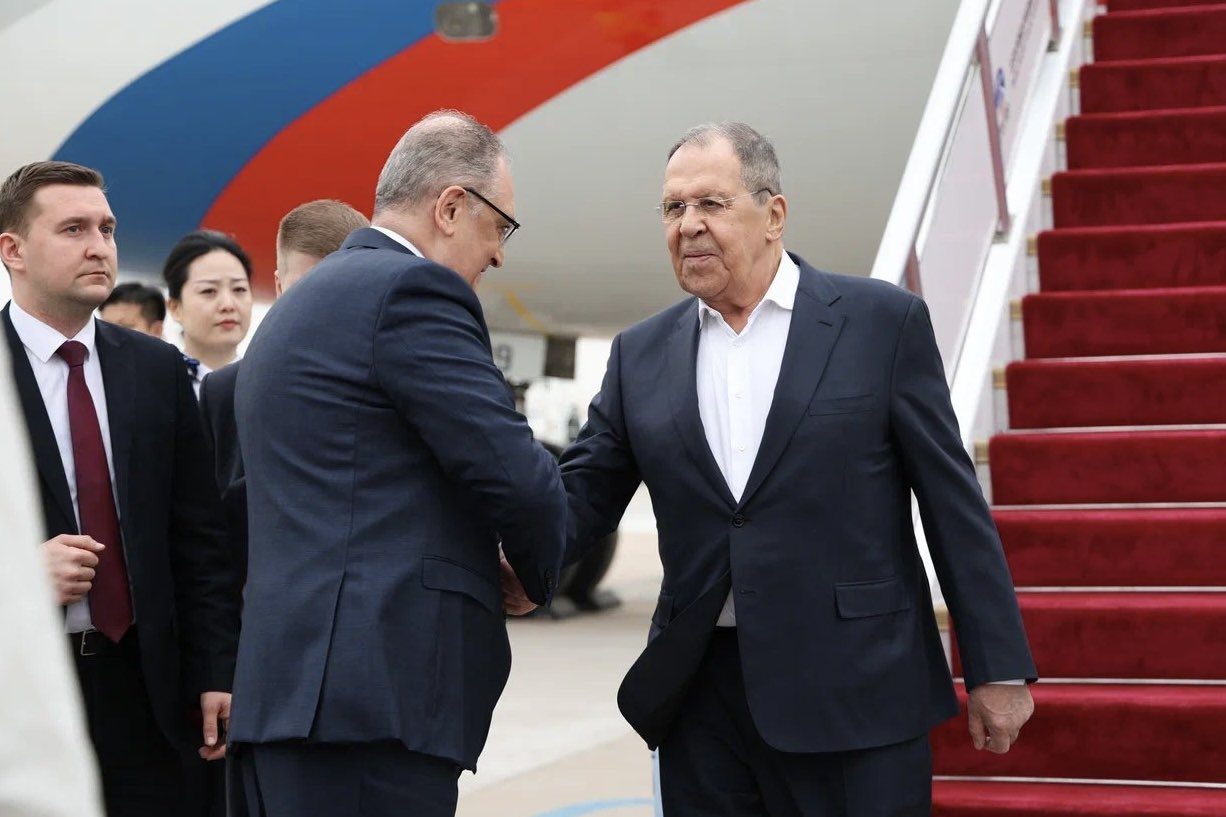
On the Iranian side, Foreign Minister Abbas Araghchi is also expected to travel to Islamabad as part of a broader regional tour that includes Oman and Russia.
While Iranian state media acknowledged the visit as part of ongoing regional consultations, Araghchi publicly emphasized that the trip is focused on bilateral coordination and regional developments, avoiding explicit mention of direct peace negotiations with the United States.
Conflict Background and Rising Stakes
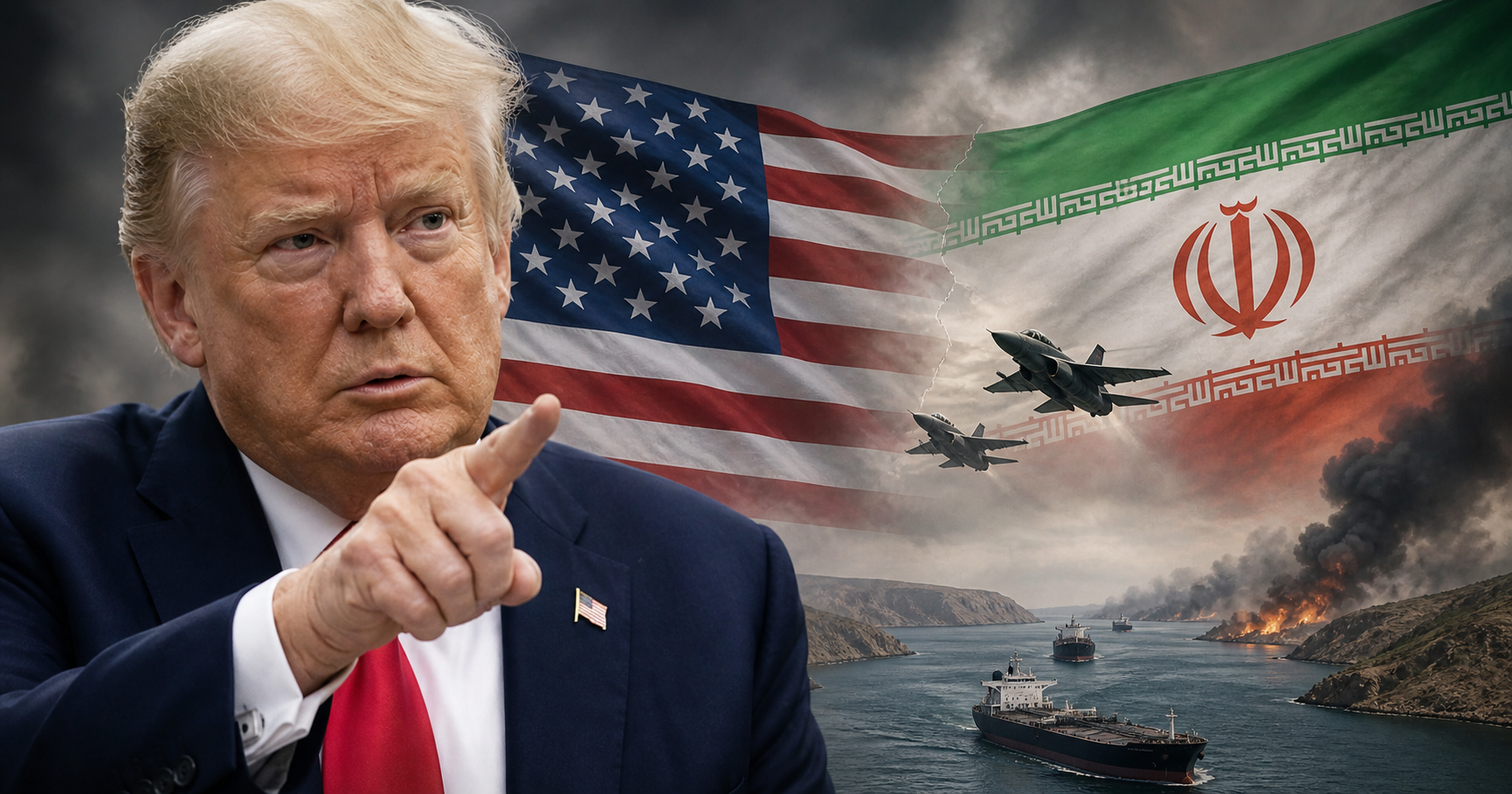
The renewed diplomatic effort comes nearly two months after the conflict began on February 28, when coordinated U.S.-Israeli airstrikes targeted Iranian military and government infrastructure. The strikes triggered a wider escalation, including disruptions in global shipping routes.
A major flashpoint has been the Strait of Hormuz, through which nearly 20% of the world’s oil supply passes. Iran’s repeated closure and reopening of the strait—often in response to U.S. military actions—has intensified the global energy crisis.
Despite a brief ceasefire earlier in April, negotiations broke down after Iran rejected U.S. demands to maintain sanctions and naval restrictions during talks.
First Round of Talks Failed
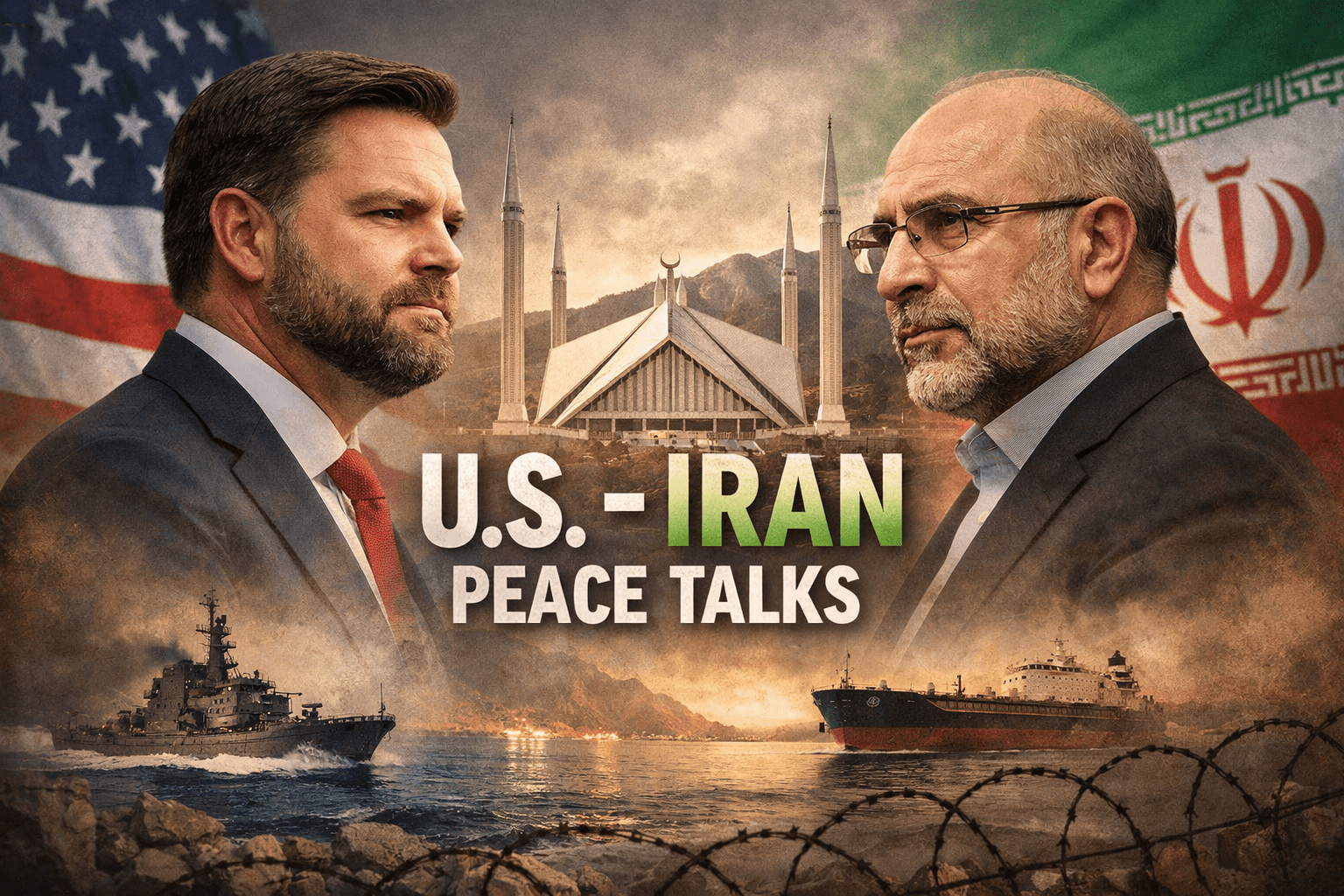
The initial Islamabad talks were led by U.S. Vice President JD Vance, with participation from Witkoff and Kushner. Iran’s delegation included senior officials such as the parliamentary speaker and Foreign Minister Araghchi.
However, the discussions collapsed amid mutual distrust, with Tehran opposing Washington’s conditions and accusing the U.S. of negotiating in bad faith.
Following the breakdown, U.S. President Donald Trump announced a full naval blockade of Iran, prompting Tehran to once again restrict shipping through the Strait of Hormuz.
Global Pressure Mounts
The ongoing conflict has triggered sharp increases in global oil prices, disrupted supply chains, and raised fears of a prolonged economic impact. International stakeholders, including major economies and energy-importing nations, are urging both sides to reach a diplomatic resolution.
Pakistan’s role as a neutral intermediary has been widely welcomed, with hopes that fresh talks could help bridge the gap between the two adversaries.
Uncertain Road Ahead
While the second round of negotiations offers a renewed opportunity for peace, significant challenges remain. Deep disagreements over sanctions, military presence, and regional influence continue to divide Washington and Tehran.
As Steve Witkoff and Jared Kushner prepare to engage in talks, the world watches closely—hoping that diplomacy can succeed where conflict has so far prevailed.