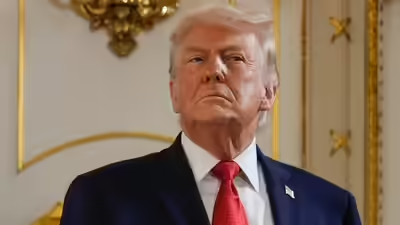
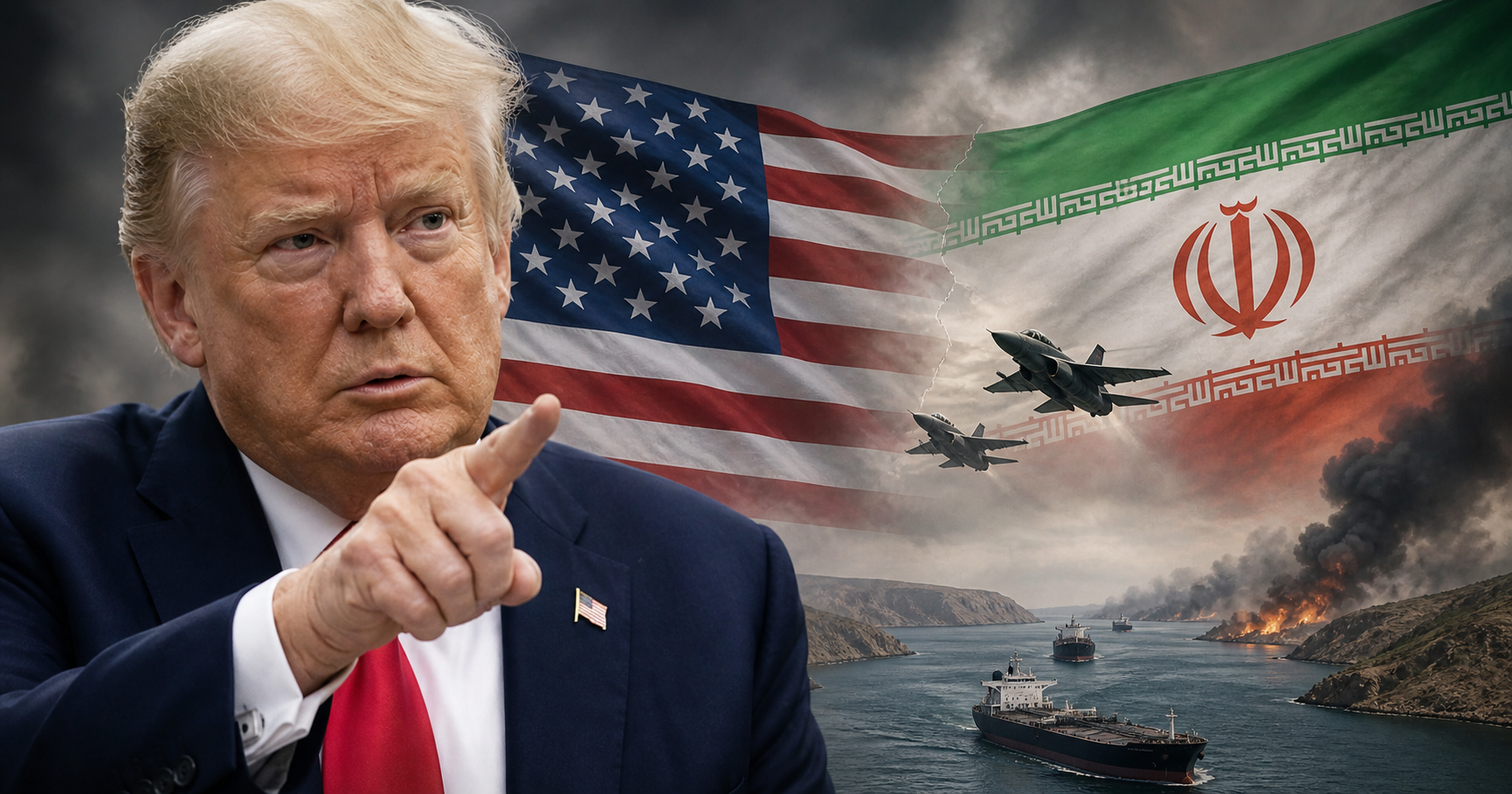


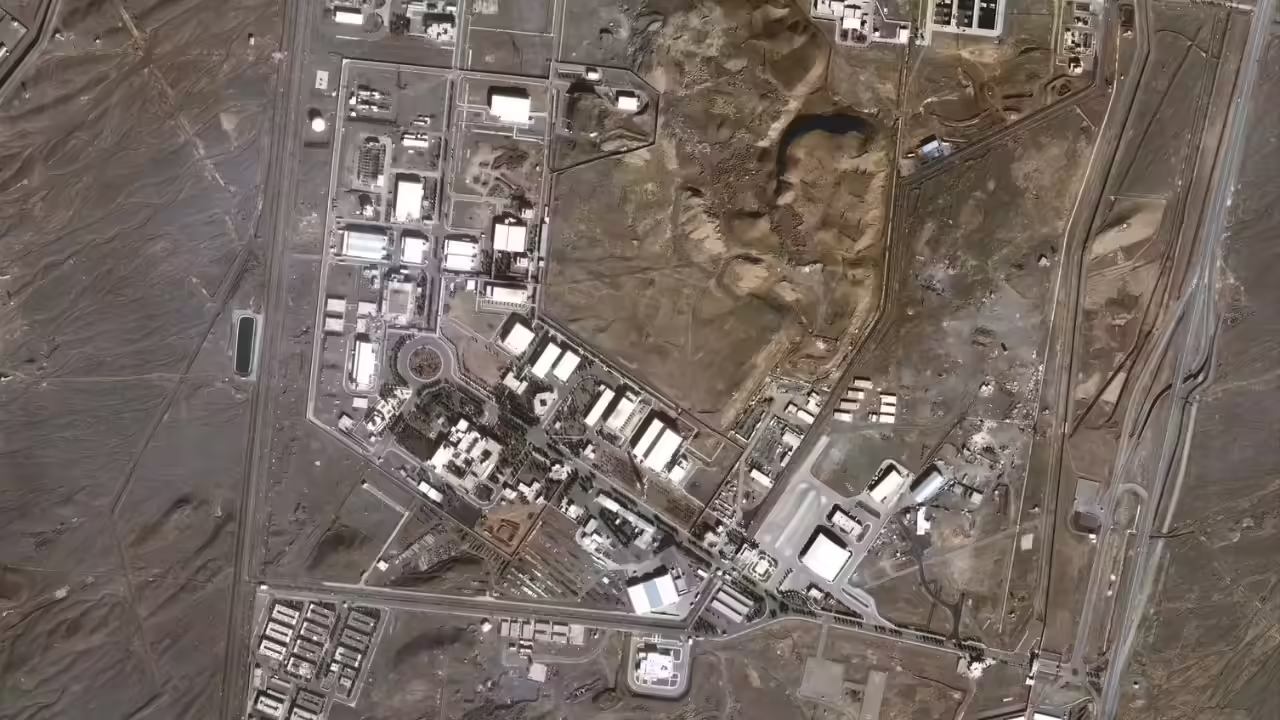
Donald Trump has introduced a striking phrase into ongoing global negotiations with Iran—“nuclear dust.” The term, while informal, refers to Iran’s highly enriched uranium stockpiles, which US officials believe are buried deep underground following airstrikes on Iranian nuclear facilities in 2025.
Trump has claimed that Tehran may be willing to hand over this material as part of a broader deal aimed at ending hostilities and curbing Iran’s nuclear ambitions. However, there has been no official confirmation from Iranian authorities regarding such an agreement, leaving analysts cautious about the claim.
The Scale of Iran’s Uranium Stockpile
Before the US-Israeli strikes last year, Iran was believed to possess a significant quantity of enriched uranium. Estimates suggest the country had more than 400 kilograms enriched to 60 percent purity, along with nearly 200 kilograms enriched to 20 percent.
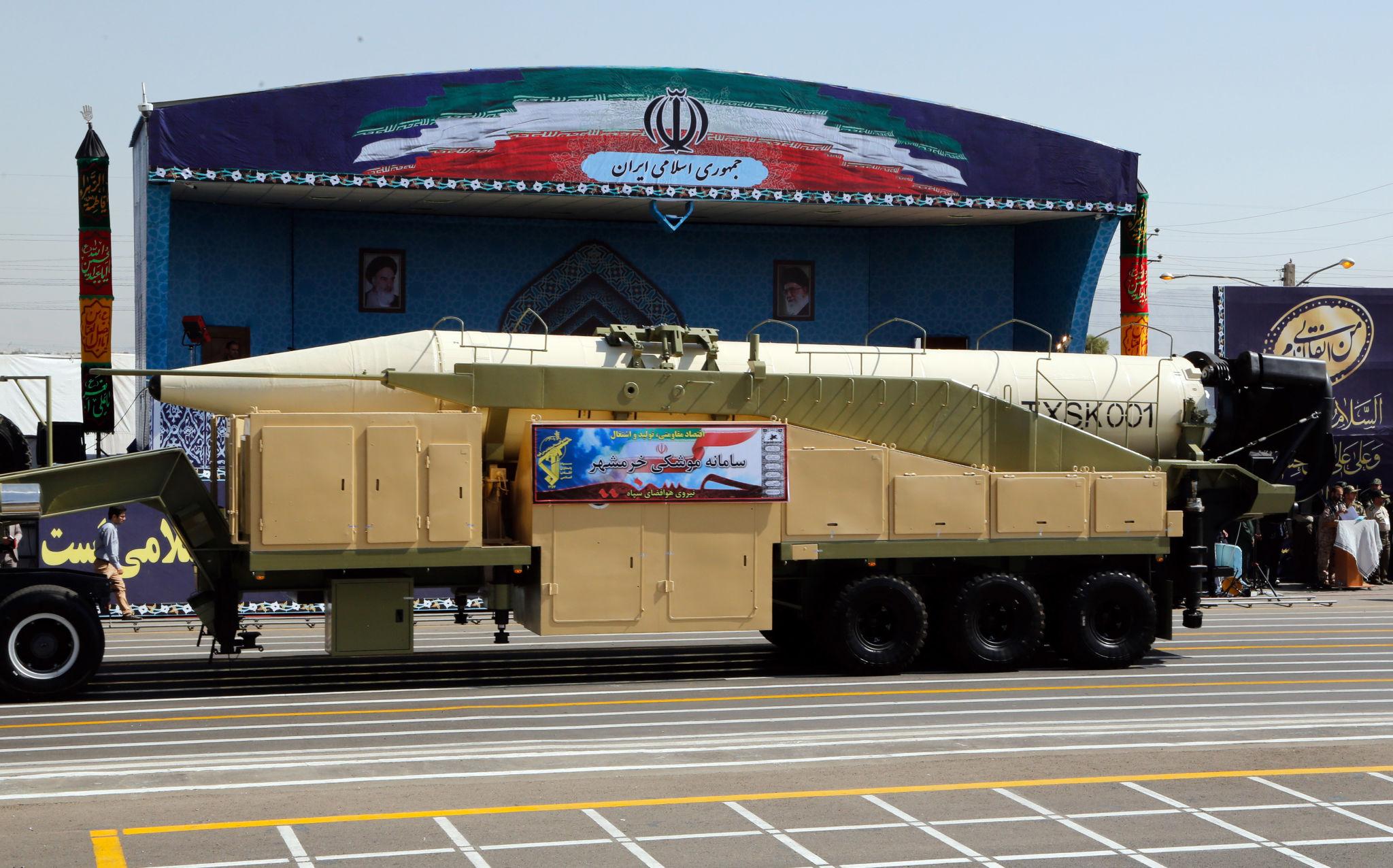
These numbers are critical because uranium enriched to around 90 percent is considered weapons-grade. While Iran’s current stockpile does not necessarily indicate an active nuclear weapons program, it significantly shortens the time required to reach that threshold if the country chooses to do so.
Iran has consistently maintained that its nuclear activities are intended for peaceful purposes, particularly electricity generation and energy security. However, the level of enrichment and the size of its stockpile have raised concerns among Western nations and nuclear watchdogs.
Where Is the “Nuclear Dust” Located?

According to the International Atomic Energy Agency (IAEA), much of Iran’s nuclear material is believed to be stored in heavily fortified underground locations. These include tunnel systems at the Isfahan nuclear complex and storage areas near Natanz, one of Iran’s primary enrichment sites.
Some of this material is thought to be buried beneath rubble and reinforced structures following the 2025 airstrikes. This has made it extremely difficult to assess the full extent of Iran’s remaining nuclear capacity or to physically access the material.
The underground nature of these facilities is a key factor in the ongoing dispute, as it complicates both verification and potential dismantling efforts.
Why the United States Wants It Removed
For the United States, Iran’s enriched uranium represents a significant security concern. Washington argues that even if Iran is not currently building a nuclear weapon, the existence of such material creates a latent capability that could be activated quickly.
Trump has stated that any agreement with Iran would include a complete halt to uranium enrichment and the removal of all existing enriched material. This would theoretically extend the “breakout time”—the period required to produce a nuclear weapon—and reduce the immediate threat.
However, experts caution that removing existing stockpiles is only part of the solution. If Iran retains the knowledge, infrastructure, and centrifuge technology needed to enrich uranium, it could potentially rebuild its stockpile over time.
Energy Needs or Strategic Leverage?
Iran insists that its nuclear program is focused on energy production. The country has announced plans to expand its nuclear electricity capacity significantly by 2041. Currently, its only operational nuclear power plant is Bushehr, which contributes a small fraction—around 1 percent—of the nation’s total electricity output.
Critics argue that this raises questions about the true purpose of Iran’s enrichment program. Given the country’s vast reserves of oil and natural gas, nuclear energy is not the most cost-effective option for power generation.
This gap between stated goals and practical realities has fueled skepticism in Washington and other Western capitals, where officials suspect that the nuclear program may serve as a form of strategic leverage rather than purely civilian energy development.
The Broader Nuclear Deadlock
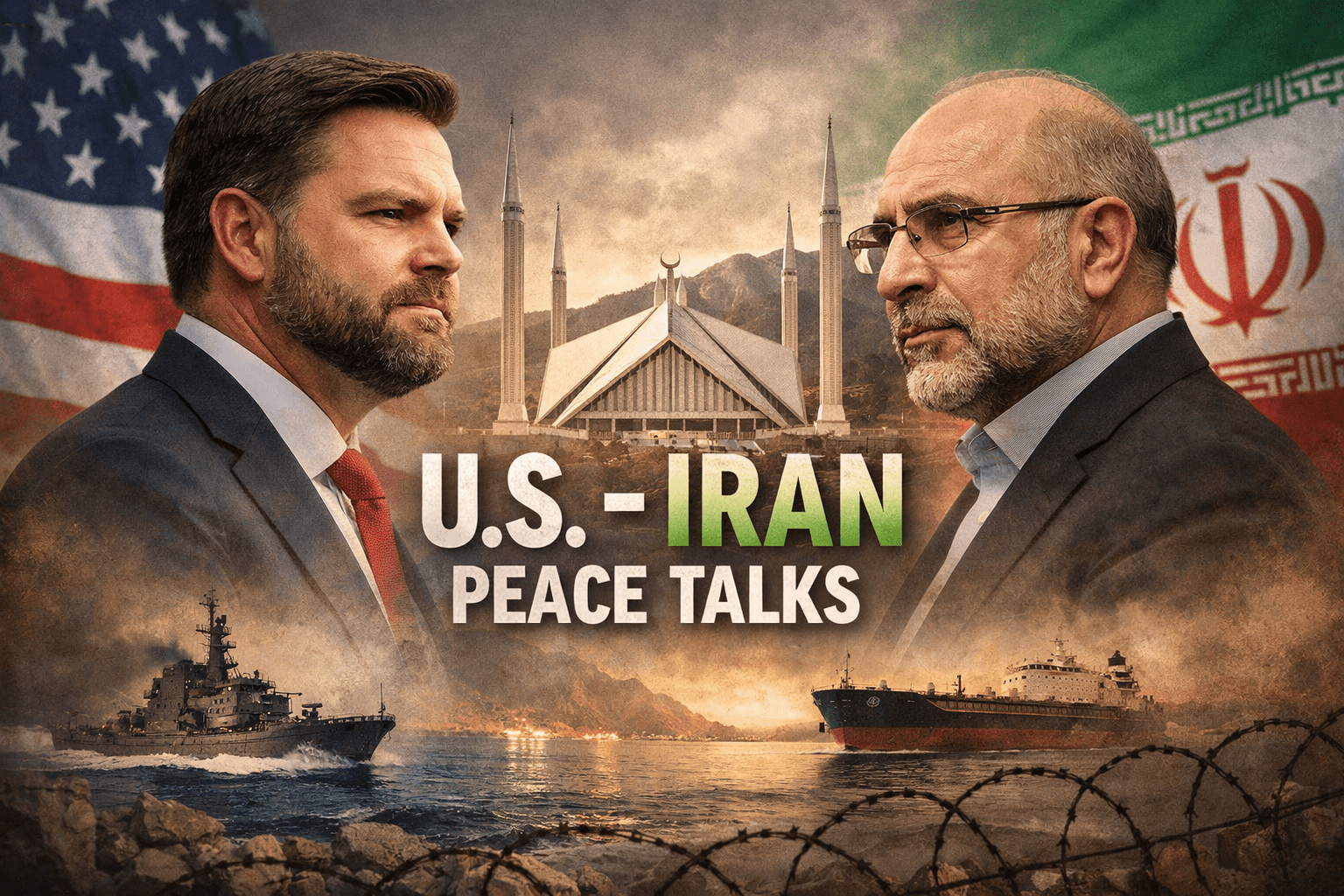
The issue of enriched uranium lies at the heart of the ongoing standoff between the United States and Iran. While diplomatic efforts continue, deep mistrust remains on both sides.
For Washington, the priority is to eliminate any pathway to a nuclear weapon. For Tehran, preserving its technological capabilities and sovereignty is equally important. Even if Iran agrees to hand over its current stockpile, the question of future enrichment and verification mechanisms will remain unresolved.
Conclusion
The concept of “nuclear dust” may be new, but the underlying issue is not. Iran’s enriched uranium stockpile represents both a technical challenge and a political flashpoint in one of the world’s most sensitive geopolitical disputes.
If a deal is reached that includes the removal of this material, it could mark a significant step toward de-escalation. Yet lasting stability will depend on broader agreements, strict monitoring, and a level of trust that has long been in short supply.
For now, Trump’s claim has added a new dimension to the debate—one that could shape the future of nuclear diplomacy in the Middle East.