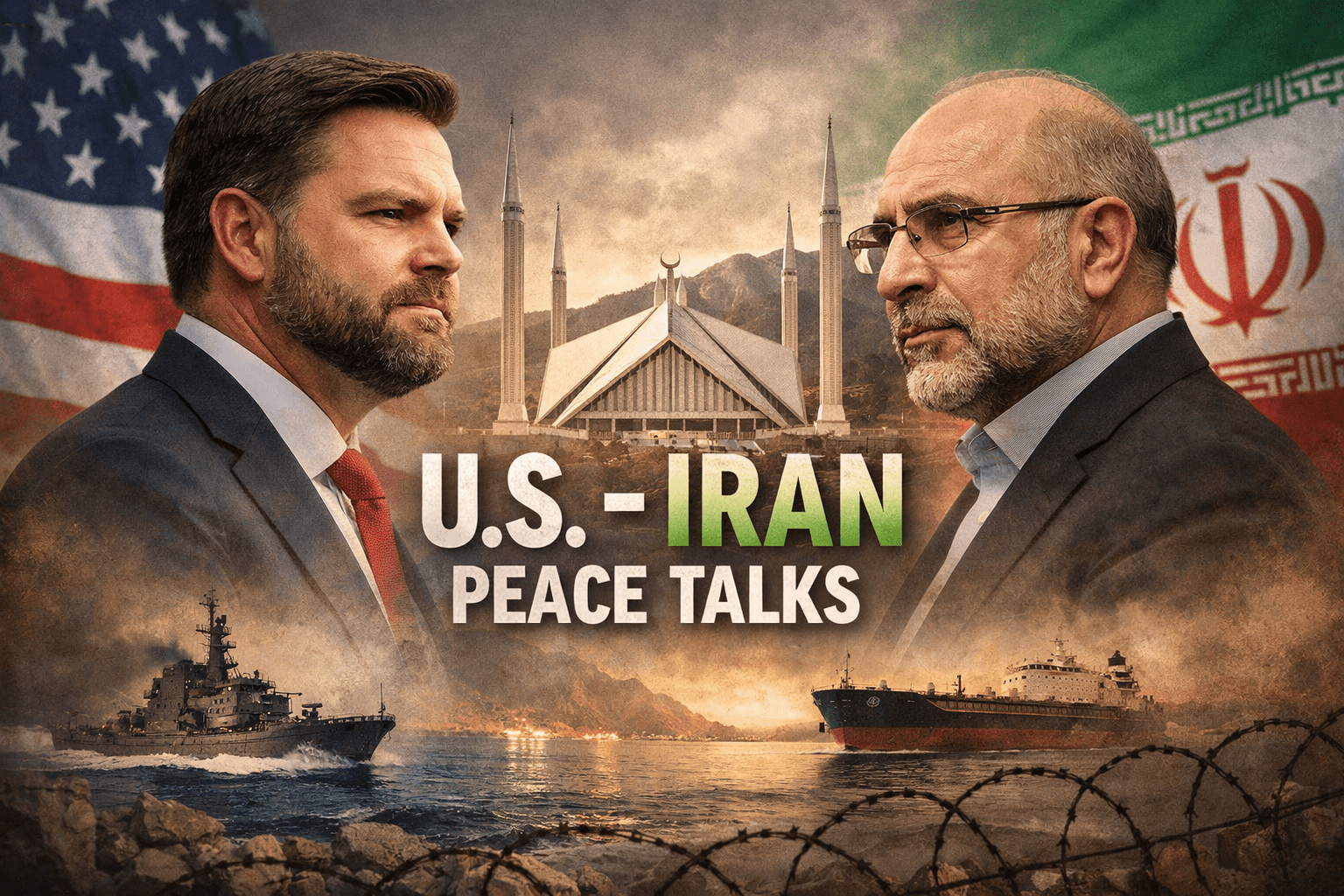

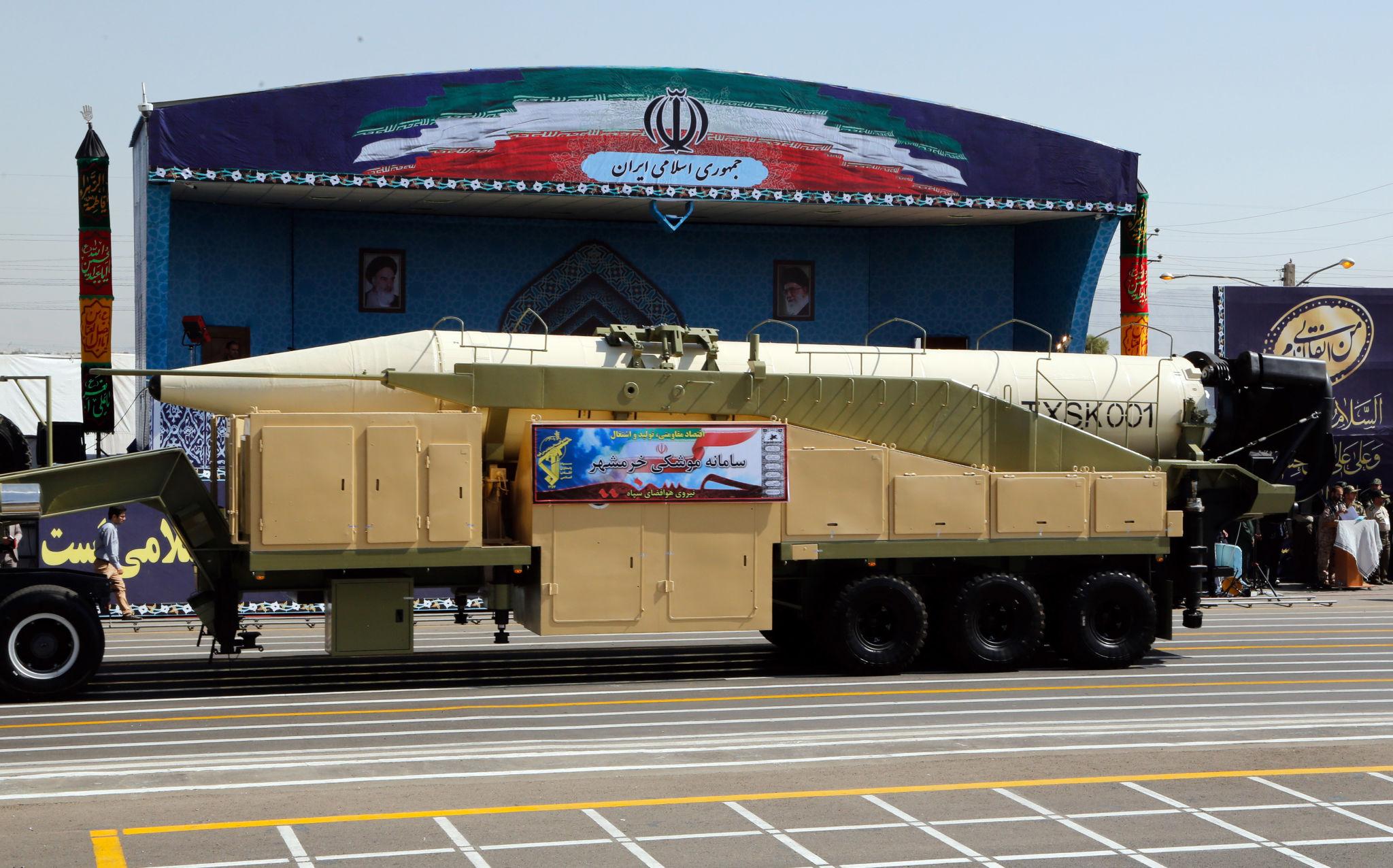
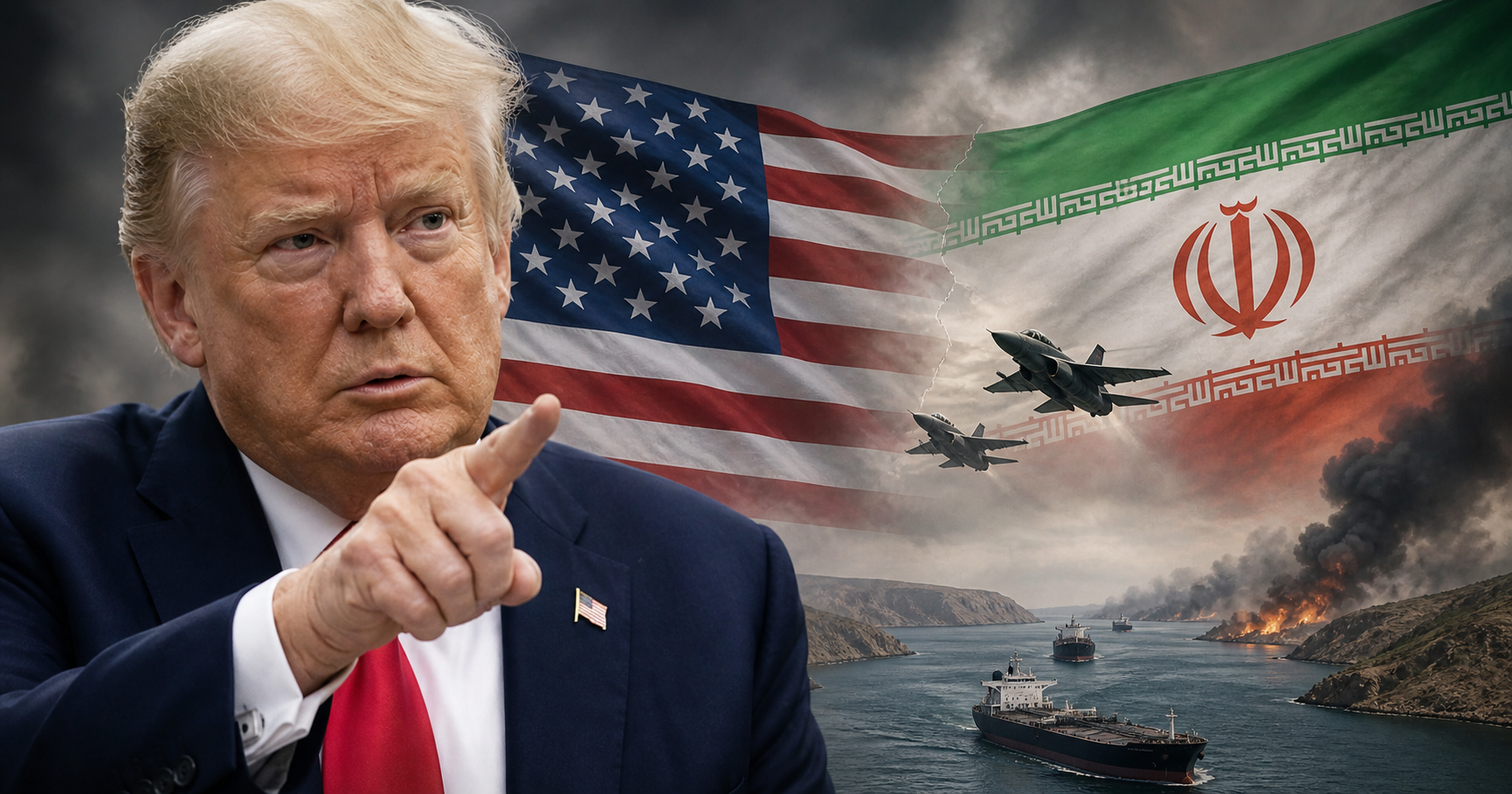



In a direct military confrontation, few analysts doubt that the United States holds overwhelming superiority over Iran. Its advanced weaponry, global military presence, and technological dominance give Washington a decisive edge in conventional warfare. Yet, despite this imbalance, Iran operates with a very different belief: it doesn’t need to defeat the United States—it only needs to outlast it.
This mindset forms the core of Iran’s modern geopolitical strategy.
A War of Attrition, Not Victory
Iran’s leadership understands a fundamental truth about modern conflicts: wars are no longer won solely on the battlefield—they are won through endurance. Instead of seeking a decisive military victory, Tehran is pursuing a long war of attrition designed to wear down its adversaries.
The longer the conflict drags on, the more pressure builds on American leadership from:
- Rising economic costs
- Political divisions at home
- Public fatigue with prolonged wars
For Iran, simply surviving becomes a strategic win.
Weaponizing the Global Economy

One of Iran’s most powerful tools isn’t missiles—it’s energy disruption.
By threatening key chokepoints like the Strait of Hormuz, Iran can:
- Disrupt global oil supplies
- Trigger spikes in fuel prices
- Create inflationary pressure worldwide
This strategy doesn’t just impact the U.S.—it affects Europe, Asia, and emerging economies. In a globalized world, economic instability becomes a powerful indirect weapon.
Asymmetric Warfare: Fighting Smart, Not Hard
Iran avoids direct confrontation with U.S. forces. Instead, it relies on asymmetric warfare, including:
- Proxy militias across the Middle East
- Drone and missile strikes
- Cyberattacks
- Disruption of shipping lanes
The goal is not to win outright—but to make conflict prolonged, unpredictable, and expensive.
A Society Built for Sanctions

Unlike the United States, Iran has spent decades under economic sanctions. This has shaped its economy and society in unique ways:
- Citizens are more accustomed to economic hardship
- Informal networks help bypass restrictions
- Resistance is framed as national identity
Years of sanctions have essentially “trained” Iran to survive under pressure—something its leadership believes gives it an advantage in a prolonged conflict.
The Geography Advantage

Iran’s geography adds another layer to its endurance strategy:
- Mountain ranges make invasion difficult
- Vast territory complicates military control
- Dense cities increase the cost of occupation
Even if a war begins with rapid strikes, sustaining long-term control would be extremely costly for any external power.
The Political Calculation
Iran’s strategy also rests on a critical political assumption:
Democracies struggle to sustain long wars compared to centralized systems.
In the United States, prolonged conflict often leads to:
- Public opposition
- Electoral pressure
- Policy reversals
Iran’s leadership, by contrast, can pursue long-term strategies with fewer domestic disruptions.
The Real Objective: Survival

Iran’s ultimate goal is not outright victory—it is survival and resilience.
As long as:
- The regime remains intact
- The U.S. fails to achieve decisive results
- Iran continues to exert regional influence
Tehran can claim success.
Conclusion
Iran’s belief that it can outlast the United States is not rooted in superior military power—but in time, patience, and strategic endurance.
By leveraging economic disruption, asymmetric warfare, geography, and political dynamics, Iran has reframed the conflict. It is no longer about who is stronger—but who can endure longer.
And in that long game, Iran is betting that time is on its side.