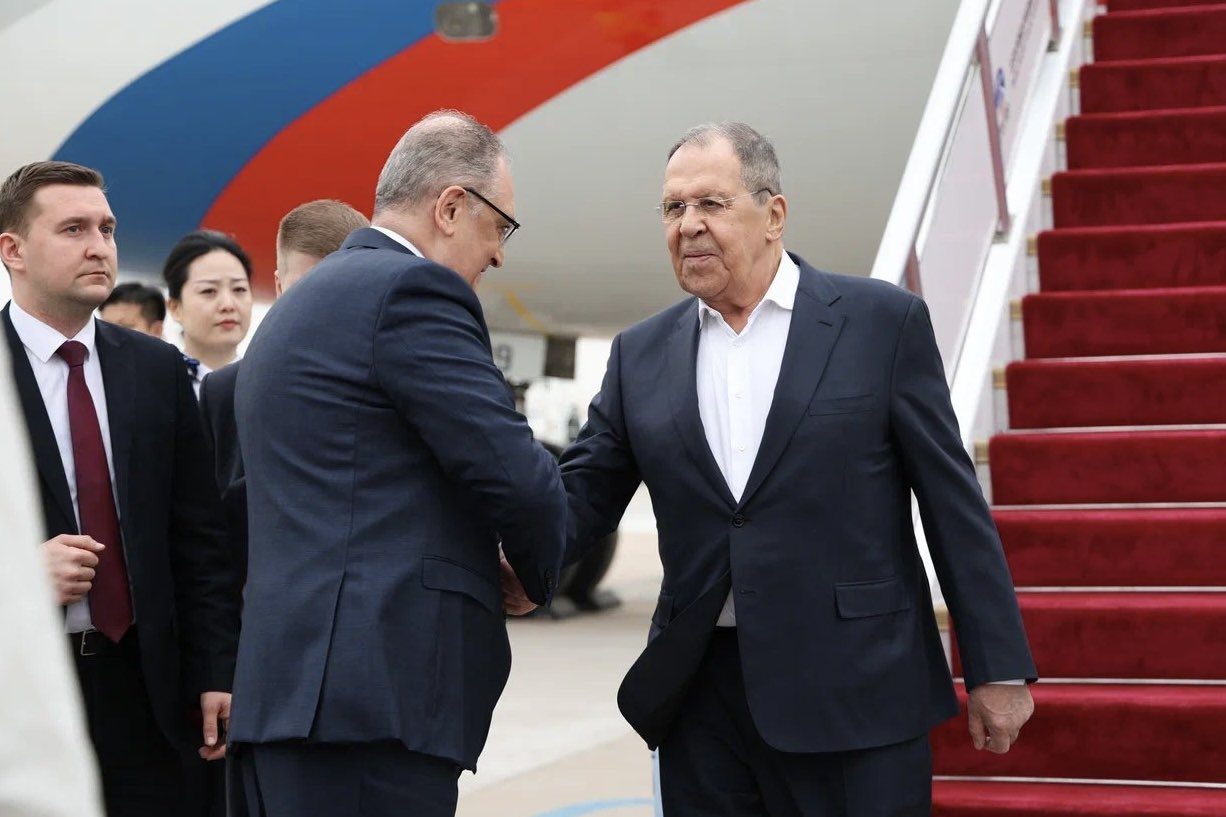

The arrival of Sergey Lavrov in Beijing marks a pivotal moment in an increasingly complex geopolitical landscape shaped by the ongoing crisis between the United States and Iran. As tensions rise over the strategic Strait of Hormuz, the visit signals a deepening alignment between Russia and China—two global powers positioning themselves against Western influence.
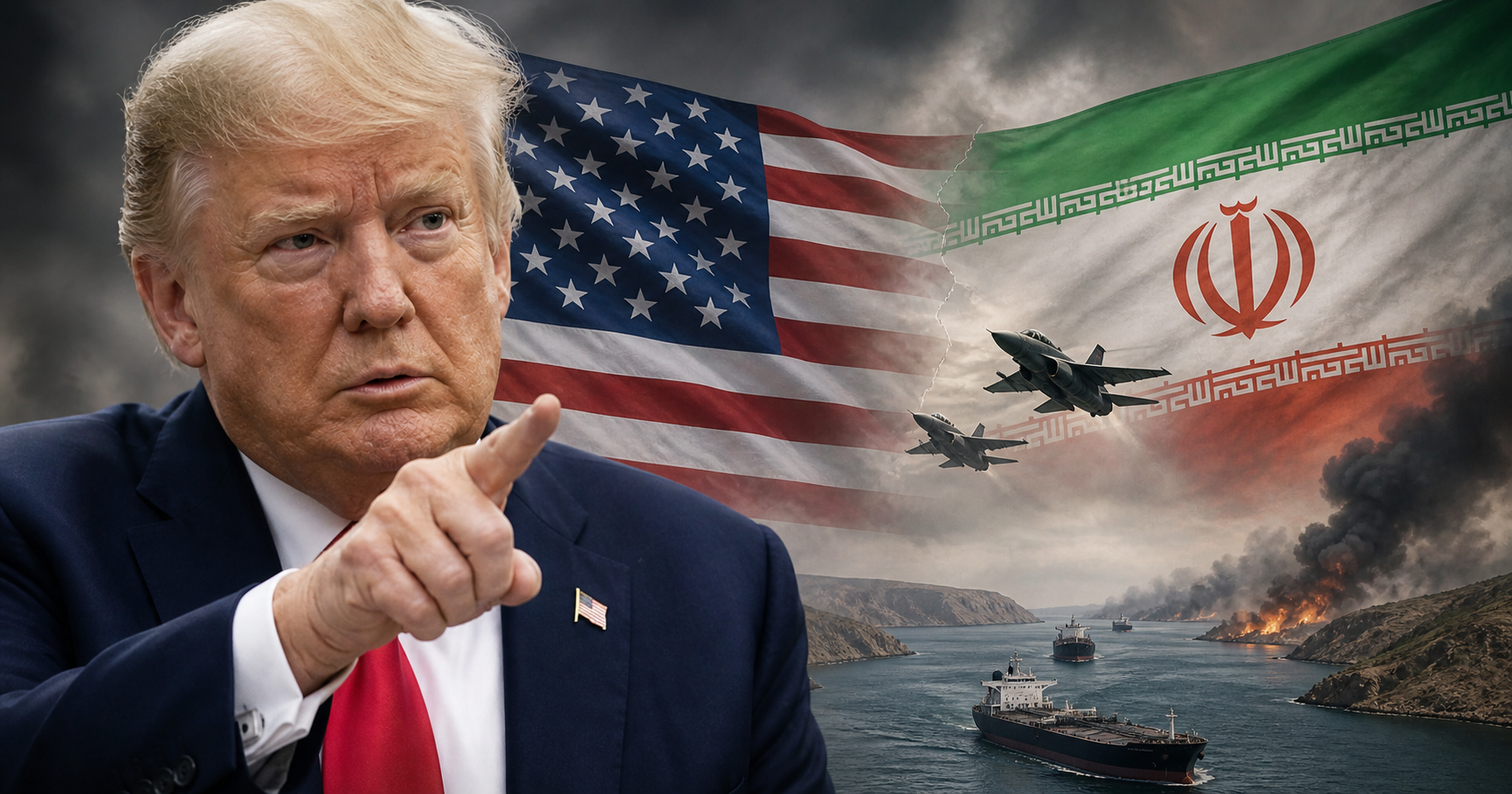
This development comes amid Washington’s aggressive move to restrict maritime access to Iran, a decision that has sent shockwaves through global energy markets and diplomatic circles alike.
The Strait of Hormuz: A Global Energy Lifeline at Risk

The Strait of Hormuz is not just another maritime passage—it is one of the most critical chokepoints in global trade. Nearly 20–30% of the world’s oil supply passes through this narrow waterway connecting the Persian Gulf to international markets.
By attempting to control vessels entering and exiting Iranian ports, the United States is effectively leveraging one of the world’s most sensitive economic arteries. This has raised alarms particularly in China, which depends heavily on Iranian oil imports to fuel its industrial economy.
China’s Foreign Ministry has emphasized that any disruption to this route threatens not just regional stability but the global economy. The move is widely seen as an escalation that could have far-reaching consequences beyond the Middle East.
Russia and China: Strategic Alignment Deepens

The visit of Sergey Lavrov to China highlights a strengthening geopolitical partnership. Both nations have consistently opposed US-led interventions and have criticized the role of Israel in the conflict with Iran.
Chinese President Xi Jinping has positioned China as a stabilizing force, advocating diplomacy over military escalation. Meanwhile, Russia has reiterated its willingness to mediate, emphasizing that the crisis has “no military solution.”
Lavrov’s discussions with Abbas Araghchi further underline Moscow’s active involvement in attempting to prevent a broader regional conflict.
This growing alignment between China and Russia is not new—but the current crisis has accelerated cooperation, especially in areas of:
- Energy security
- Trade partnerships
- Diplomatic influence in the Global South
The US Strategy: Economic Pressure and Isolation
At the heart of Washington’s policy is a calculated attempt to isolate Iran economically. By restricting maritime trade routes, the US aims to:
- Cut off Iran’s oil exports
- Limit imports of essential goods
- Pressure key allies like China to reduce economic ties with Tehran
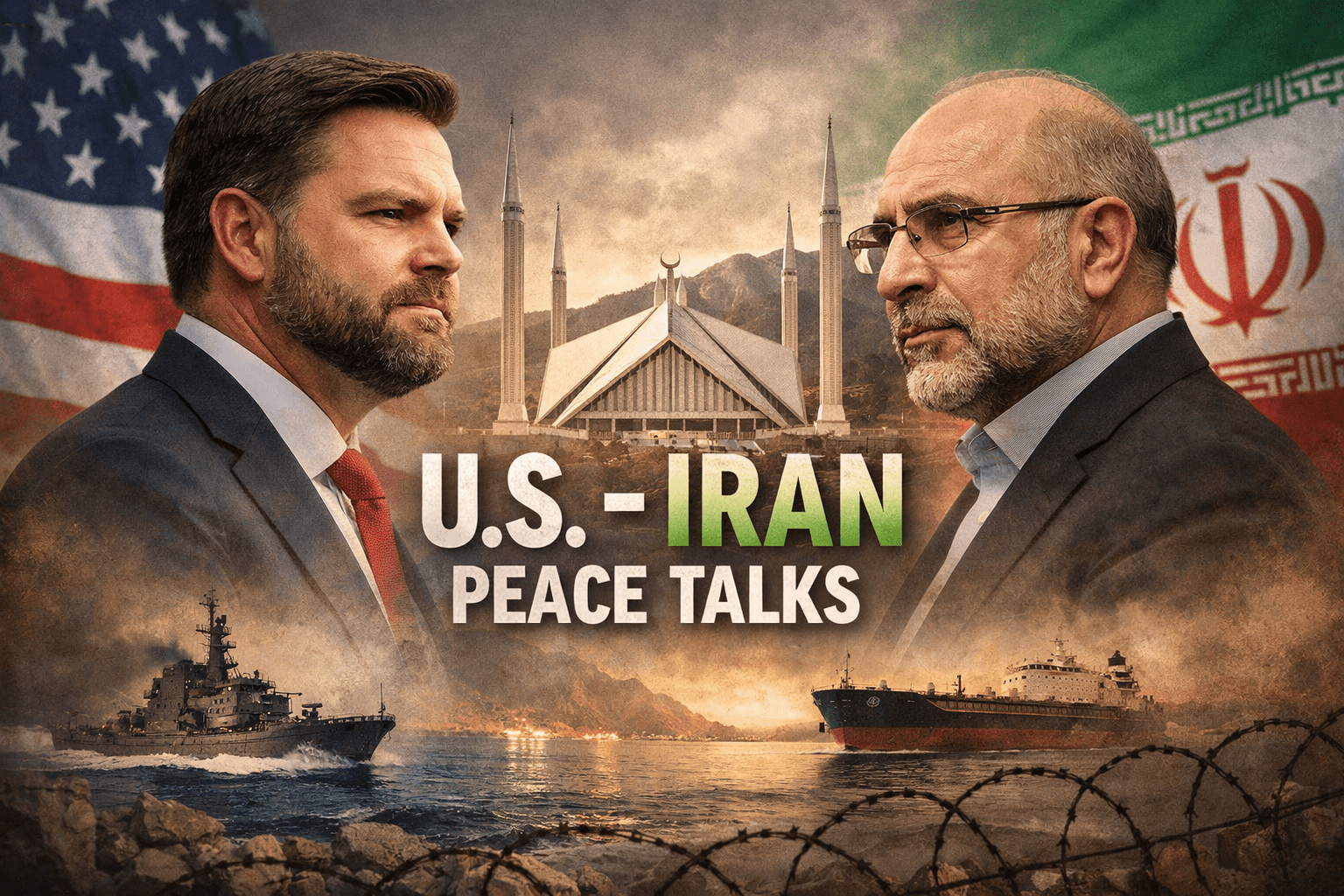
Analysts suggest this is part of a broader strategy to force Iran back to the negotiating table after recent talks—reportedly held in Pakistan—failed to yield results.
However, this approach carries risks. Any prolonged disruption in the Persian Gulf region could trigger:
- Global oil price spikes
- Supply chain disruptions
- Increased military tensions
China’s Diplomatic Offensive
While the US focuses on economic pressure, China is playing a different game—diplomatic expansion.
Beijing has hosted several global leaders affected by the crisis, including:
- Pedro Sanchez
- Mohamed bin Zayed Al Nahyan
By engaging multiple nations, China is positioning itself as a reliable alternative to US leadership. This approach resonates particularly with countries seeking to diversify their geopolitical alliances.
China’s strategy is subtle yet powerful:
- Promote stability and trade continuity
- Avoid direct military involvement
- Expand influence through diplomacy and economics
Rising US–China Tensions
The crisis has further strained relations between Washington and Beijing. Donald Trump has warned of imposing 50% tariffs on Chinese goods if Beijing supports Iran militarily.
These warnings followed intelligence claims—denied by China—that Beijing might supply defense systems to Iran. China has dismissed such reports as “fabricated,” signaling growing distrust between the two superpowers.
This tension adds another layer to an already fragile global order, where economic rivalry and military strategy increasingly intersect.
A New Geopolitical Reality Emerging

The current situation reflects a broader shift in global power dynamics. Key trends emerging include:
1. Multipolar World Order
The dominance of a single superpower is giving way to multiple centers of influence—primarily the US, China, and Russia.
2. Energy as a Strategic Weapon
Control over oil routes like the Strait of Hormuz is becoming a key geopolitical tool.
3. Diplomacy vs Military Power
China’s diplomatic strategy contrasts sharply with the US’s more aggressive approach.
4. Strengthening Eastern Alliances
The Russia-China partnership is evolving into a significant counterbalance to Western influence.
What Happens Next?
The coming weeks will be critical. Several scenarios could unfold:
- De-escalation through negotiations (if global pressure increases)
- Prolonged economic standoff affecting global markets
- Military escalation in the Persian Gulf region
Much will depend on how key players—especially China—choose to act.
Conclusion
The visit of Sergey Lavrov to Beijing is more than a diplomatic event—it is a signal of shifting global alliances. As the US intensifies pressure on Iran, China and Russia are stepping in to reshape the narrative and potentially the balance of power.
With the Strait of Hormuz at the center of the crisis, the stakes are not just regional—they are global.