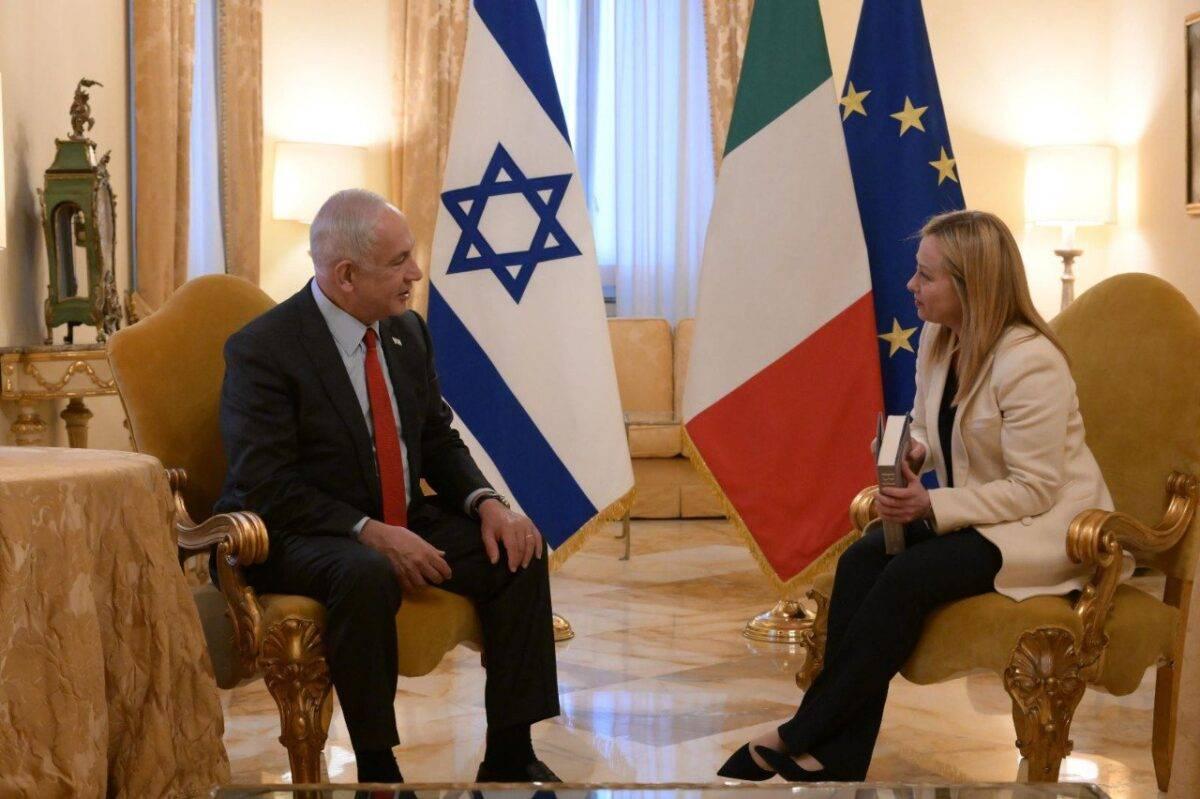


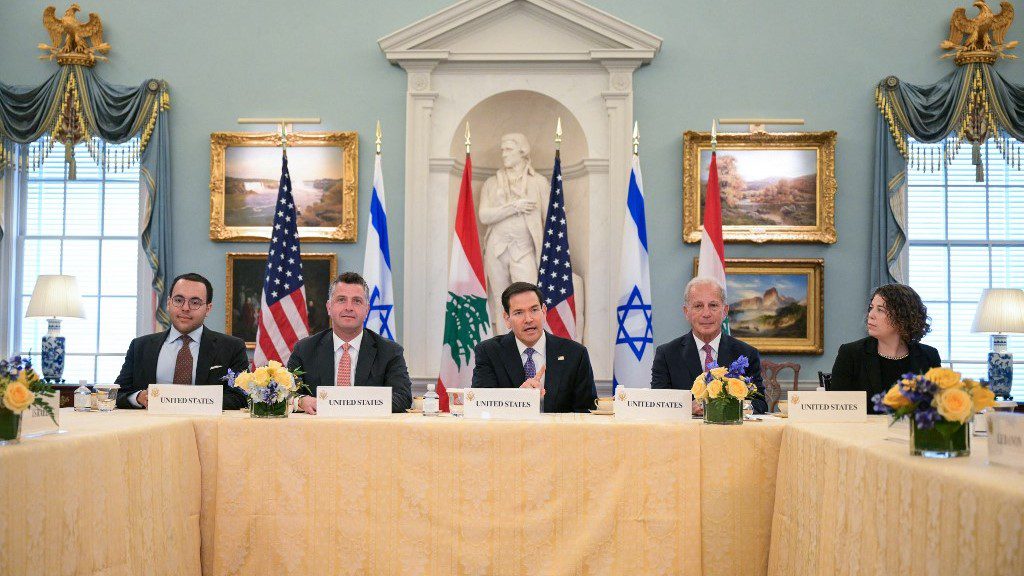
Washington, D.C. — In a significant diplomatic development, Israel and Lebanon have held their first direct high-level talks in more than three decades, marking a rare moment of engagement between two long-time adversaries amid escalating regional conflict.
The discussions, mediated by Marco Rubio, come at a time of heightened tensions driven by ongoing clashes between Israel and the Iran-backed militant group Hezbollah.
A “Historic Opportunity” for Change

Speaking ahead of the meeting, Rubio described the talks as a “historic opportunity” to curb Hezbollah’s influence and potentially de-escalate violence in the region.
According to a statement from the U.S. State Department, both Israel and Lebanon agreed to initiate formal direct negotiations, with further details regarding timing and location to be decided.
For Israel, a key objective remains clear: the disarmament of non-state armed groups, specifically Hezbollah. Meanwhile, Lebanon emphasized the urgent need for a ceasefire and international support to address its worsening humanitarian crisis.
Conflict Escalates Despite Diplomacy

Even as diplomatic efforts unfolded in Washington, violence on the ground continued unabated.
- Hezbollah claimed responsibility for at least 24 attacks targeting Israeli positions.
- Northern Israeli communities were placed on high alert, with rocket and drone sirens sounding throughout the day.
- Since Israeli military operations began on 2 March, over 2,000 people have been killed and nearly one million displaced.
Israel maintains that its military campaign is aimed at dismantling Hezbollah’s operational capabilities, following earlier clashes during the Gaza war period of 2023–2024.
Lebanon’s Fragile Position

Lebanon’s leadership, including President Joseph Aoun, has expressed cautious optimism. Aoun stated that the talks could represent “the beginning of the end of suffering” for the Lebanese people, particularly in the conflict-stricken south.
However, the Lebanese government faces a critical limitation: its inability to fully control Hezbollah, which operates as both a powerful militia and a political force within the country.
A senior Hezbollah official, Wafiq Safa, dismissed the talks outright, stating the group is “not bound” by any agreement reached—highlighting a major obstacle to any lasting resolution.
Regional Complexity Deepens

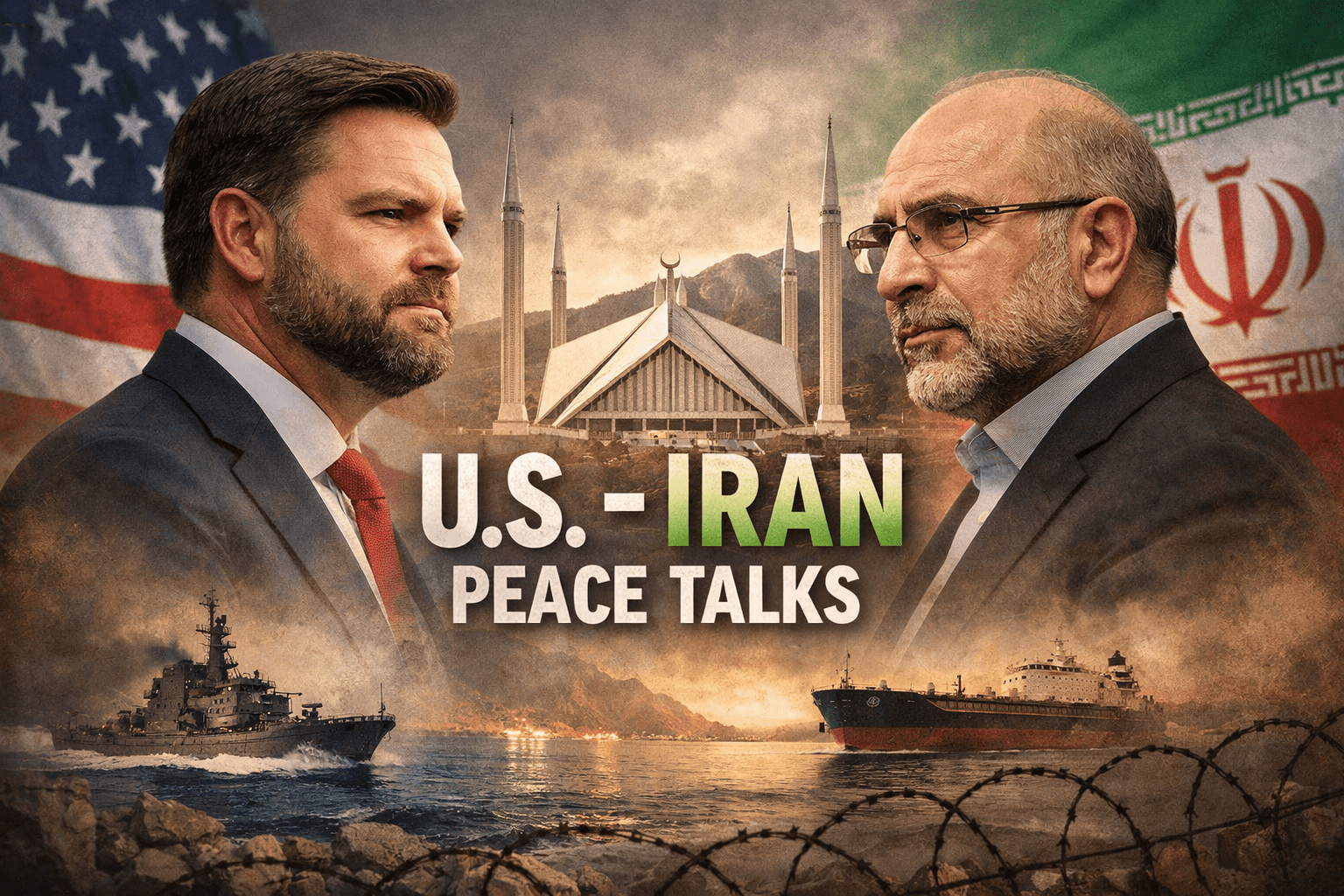
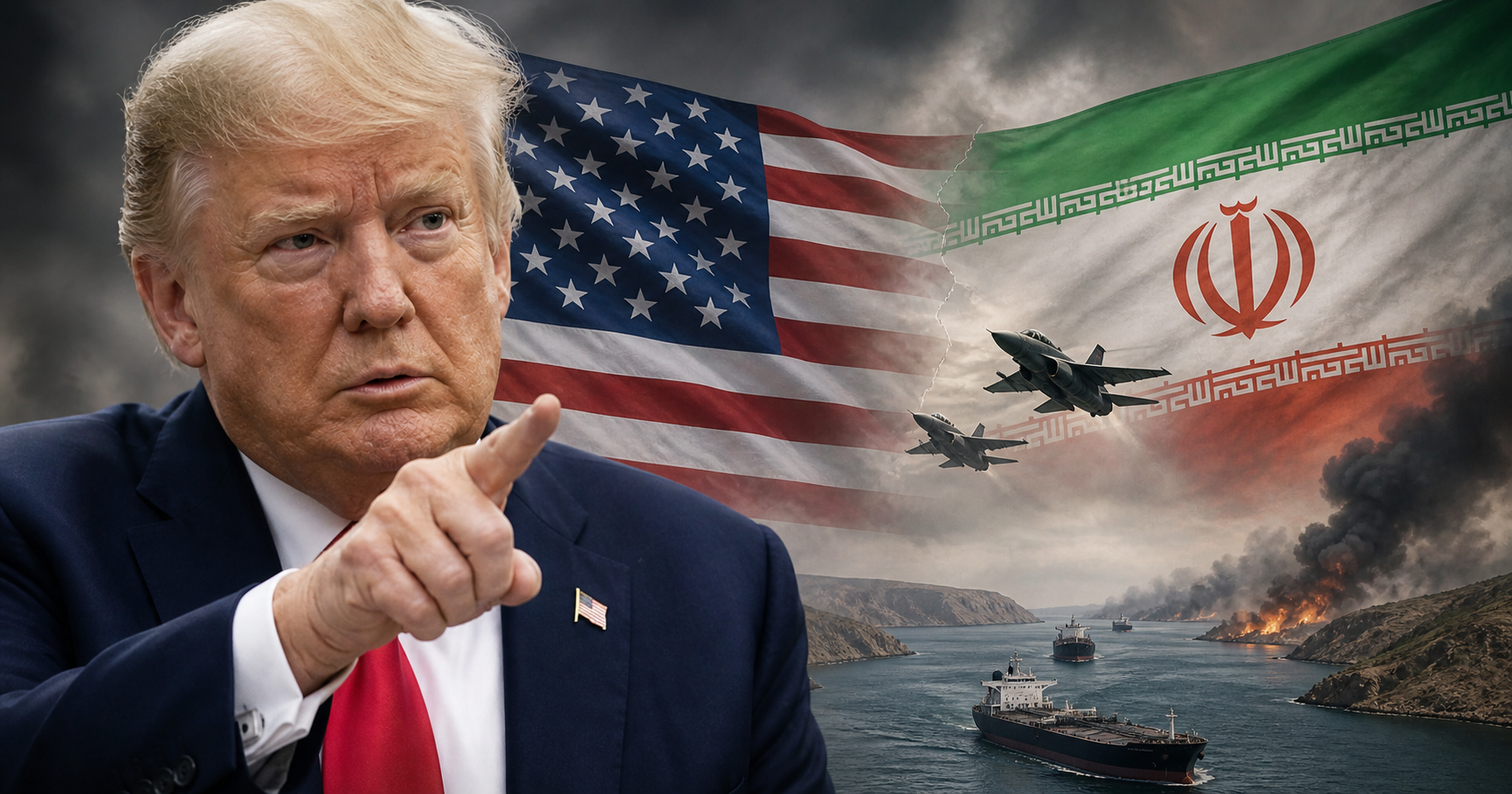
The situation is further complicated by Iran’s involvement. In parallel negotiations with the U.S. held in Islamabad, Iranian officials insisted that Lebanon be included in any broader ceasefire framework—an idea rejected by both Washington and Israel.
Hezbollah, founded in 1982 and backed by Iran, continues to wield significant influence in southern Lebanon and parts of Beirut, making it a central player in both military and political spheres.
What Comes Next?
While the talks signal a potential diplomatic breakthrough, analysts caution that any meaningful progress will take time. The presence of powerful non-state actors, ongoing military operations, and competing regional interests all pose serious challenges.
Still, the fact that Israel and Lebanon have returned to direct dialogue after more than 30 years suggests that—even amid conflict—diplomacy remains on the table.