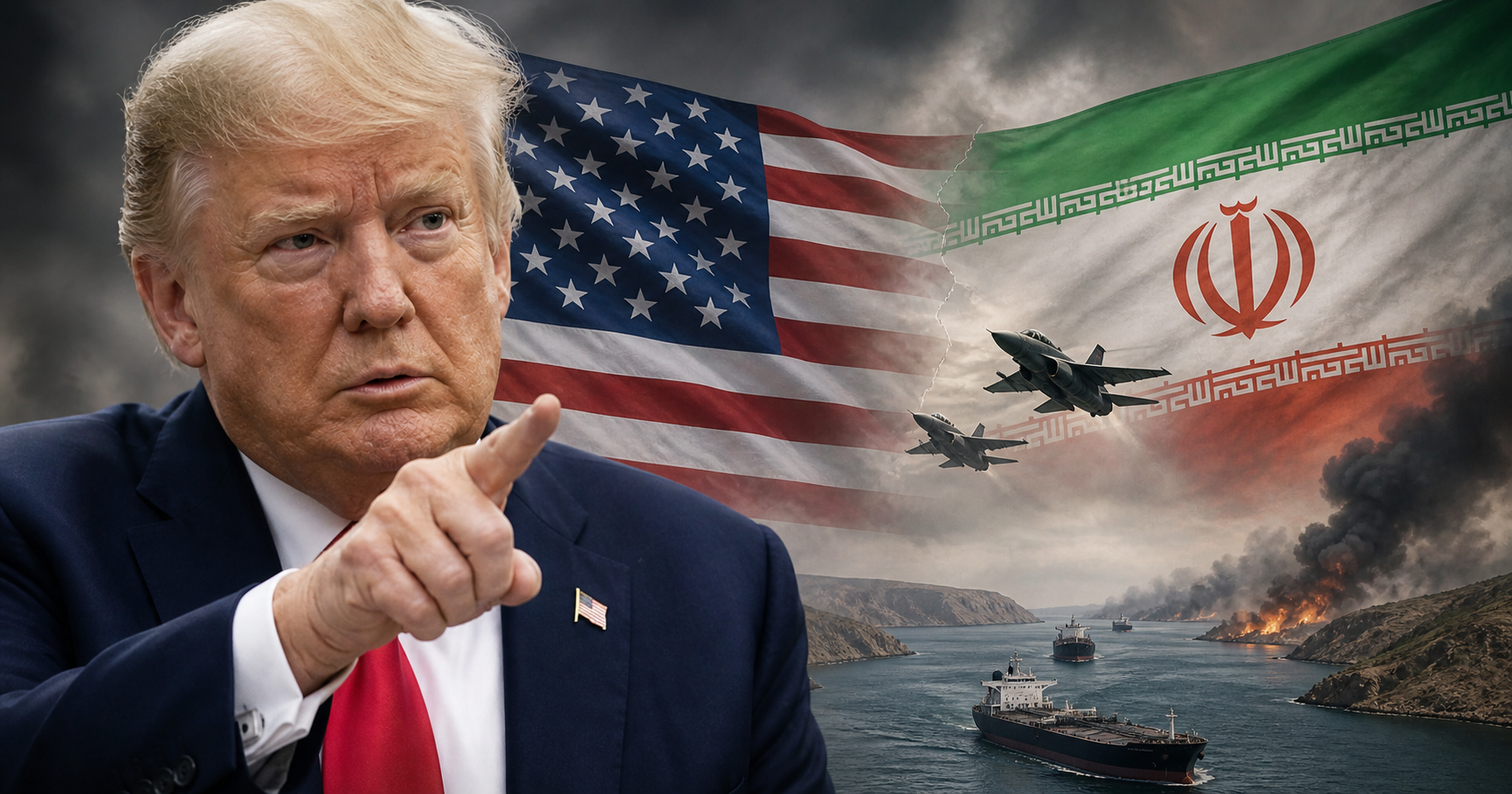


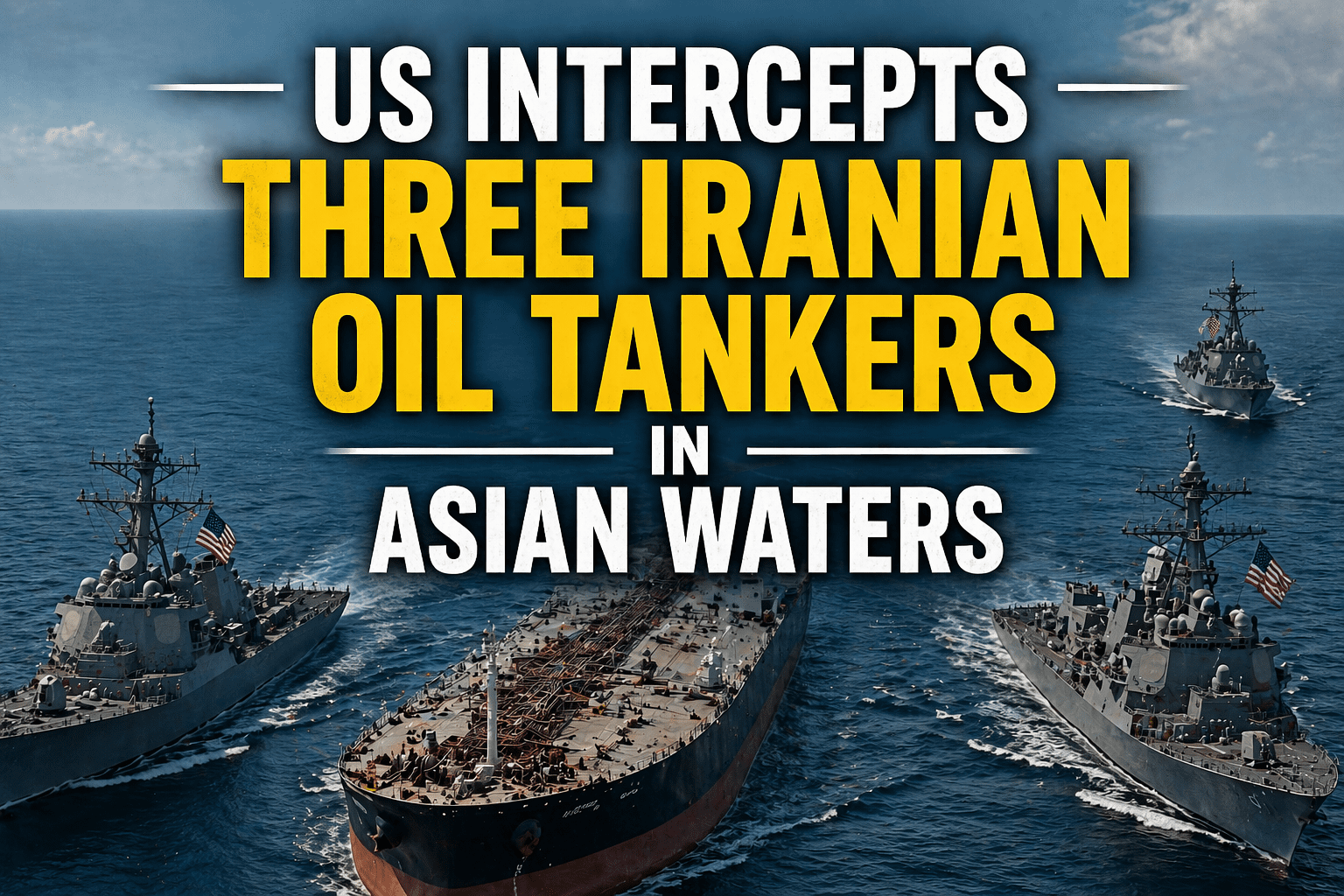
The United States has intensified its maritime crackdown on Iran by intercepting at least three Iranian-flagged oil tankers in Asian waters, according to multiple shipping and security sources. The move marks a significant escalation in the ongoing naval standoff, further straining global energy supply chains and raising concerns about a prolonged crisis.
The interceptions reportedly took place near key maritime zones close to India, Malaysia, and Sri Lanka—regions critical to global oil transit routes.
Tankers Diverted Amid Expanding US Blockade
According to sources, the intercepted vessels include major Iranian oil carriers such as the Deep Sea, Sevin, and Dorena. These tankers were reportedly carrying significant volumes of crude oil:
- Dorena: Fully loaded with approximately 2 million barrels
- Sevin: Carrying around 65% of its 1 million barrel capacity
- Deep Sea: Partially loaded supertanker last tracked near Malaysia
The U.S. military has redirected these vessels away from their intended destinations, enforcing a broader naval blockade aimed at restricting Iran’s oil exports.
The United States Central Command (CENTCOM) confirmed that at least one of the tankers, Dorena, is currently under escort by a U.S. Navy destroyer in the Indian Ocean after allegedly attempting to bypass the blockade.
Strait of Hormuz Crisis Deepens
The situation is closely tied to escalating tensions in the Strait of Hormuz, a critical waterway through which nearly 20% of the world’s oil supply typically flows.
Since the conflict began nearly two months ago, maritime traffic through the strait has slowed dramatically, with reports suggesting it is now operating at near standstill levels. Iran has responded aggressively, including the recent seizure of two cargo ships attempting to exit the Gulf.
These developments have effectively turned one of the world’s busiest shipping lanes into a high-risk conflict zone.
Additional Seizures and Unconfirmed Interceptions
Sources indicate that the U.S. may have also intercepted another Iranian tanker, the Derya, which had been unable to offload its cargo in India following the expiration of a waiver on Iranian oil imports.
The vessel was last tracked off India’s western coast, though U.S. officials have not officially confirmed its interception.
The lack of detailed disclosure from U.S. authorities has added an element of uncertainty, with analysts suggesting that more vessels may have been quietly redirected as part of the ongoing operation.
29 Vessels Redirected as Pressure Mounts
U.S. officials have stated that since the start of the blockade, at least 29 vessels have been ordered to turn back or return to port. This aggressive enforcement strategy is aimed at cutting off Iran’s maritime trade and limiting its economic capabilities.
However, Iran has strongly opposed the blockade, calling it an act of economic warfare and responding with its own maritime actions, including firing on ships and detaining vessels in the region.
Global Energy Markets on Edge
The disruption of oil shipments is having a ripple effect across global markets:
- Oil prices are experiencing heightened volatility
- Shipping routes are being rerouted, increasing transit times
- Insurance premiums for vessels in the region are rising sharply
With supply chains under pressure, energy-importing countries are closely monitoring the situation, fearing prolonged instability.
Diplomatic Deadlock Continues
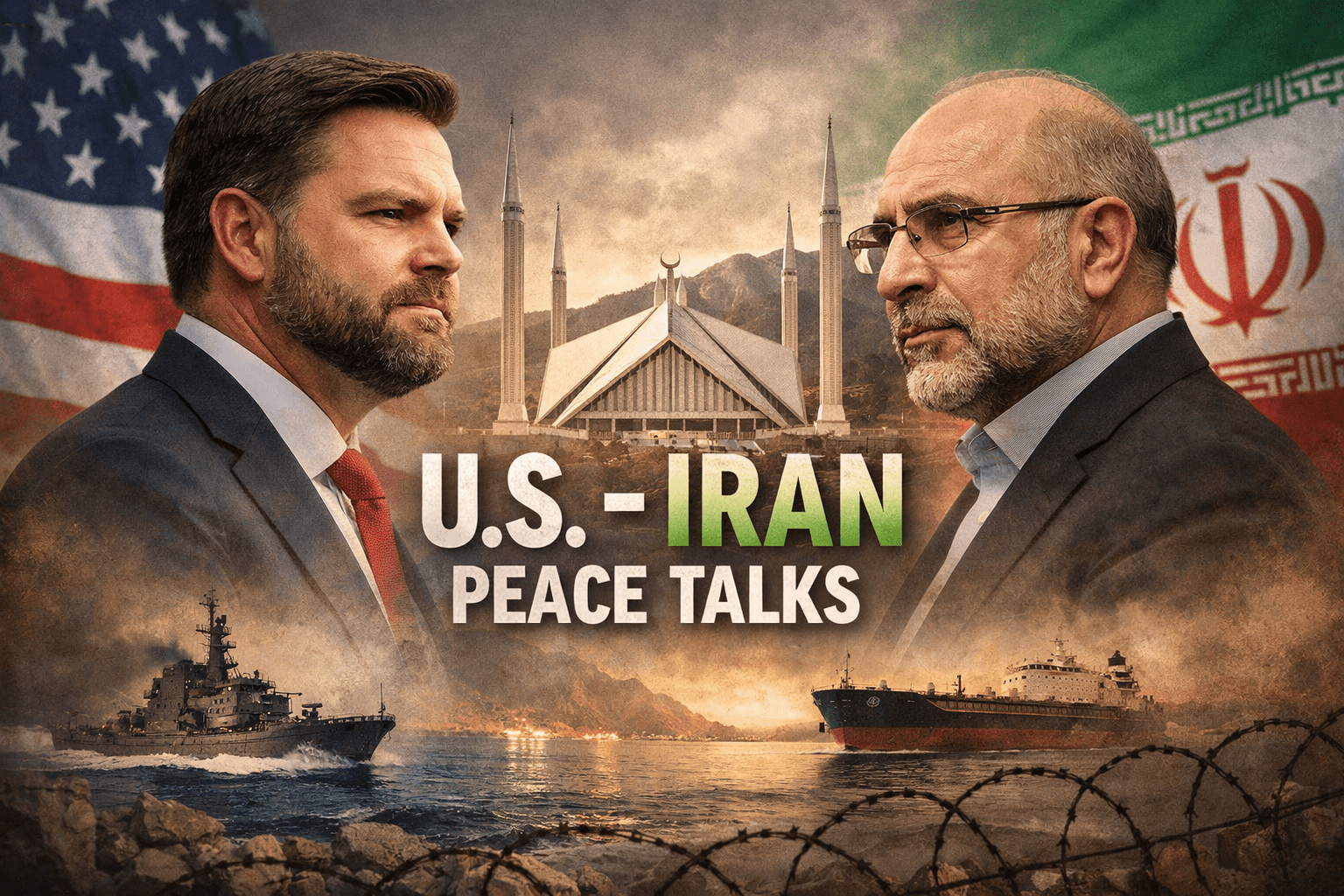
Despite the severity of the situation, there has been little progress toward renewed peace talks. The ongoing ceasefire remains fragile, with both sides engaging in actions that undermine trust and escalate tensions.
The absence of clear communication and transparency from both Washington and Tehran has further complicated efforts to de-escalate the crisis.
Conclusion
The interception of Iranian oil tankers in Asian waters marks a critical turning point in the ongoing maritime conflict. As the U.S. tightens its blockade and Iran pushes back, the risk of further escalation remains high.
With the Strait of Hormuz effectively paralyzed and global energy markets under strain, the world is watching closely to see whether diplomacy can prevail—or if the crisis will deepen into a broader confrontation.