

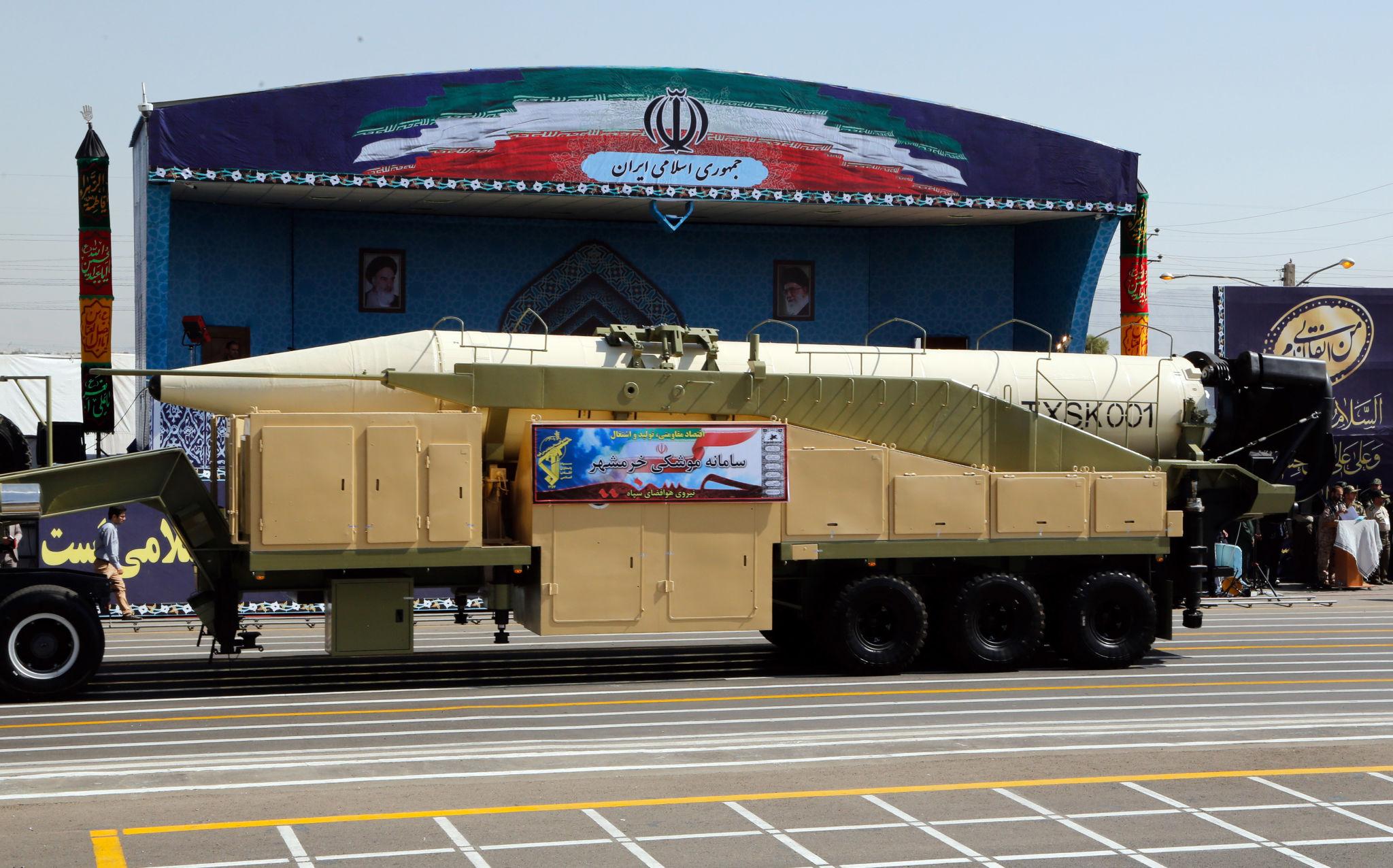






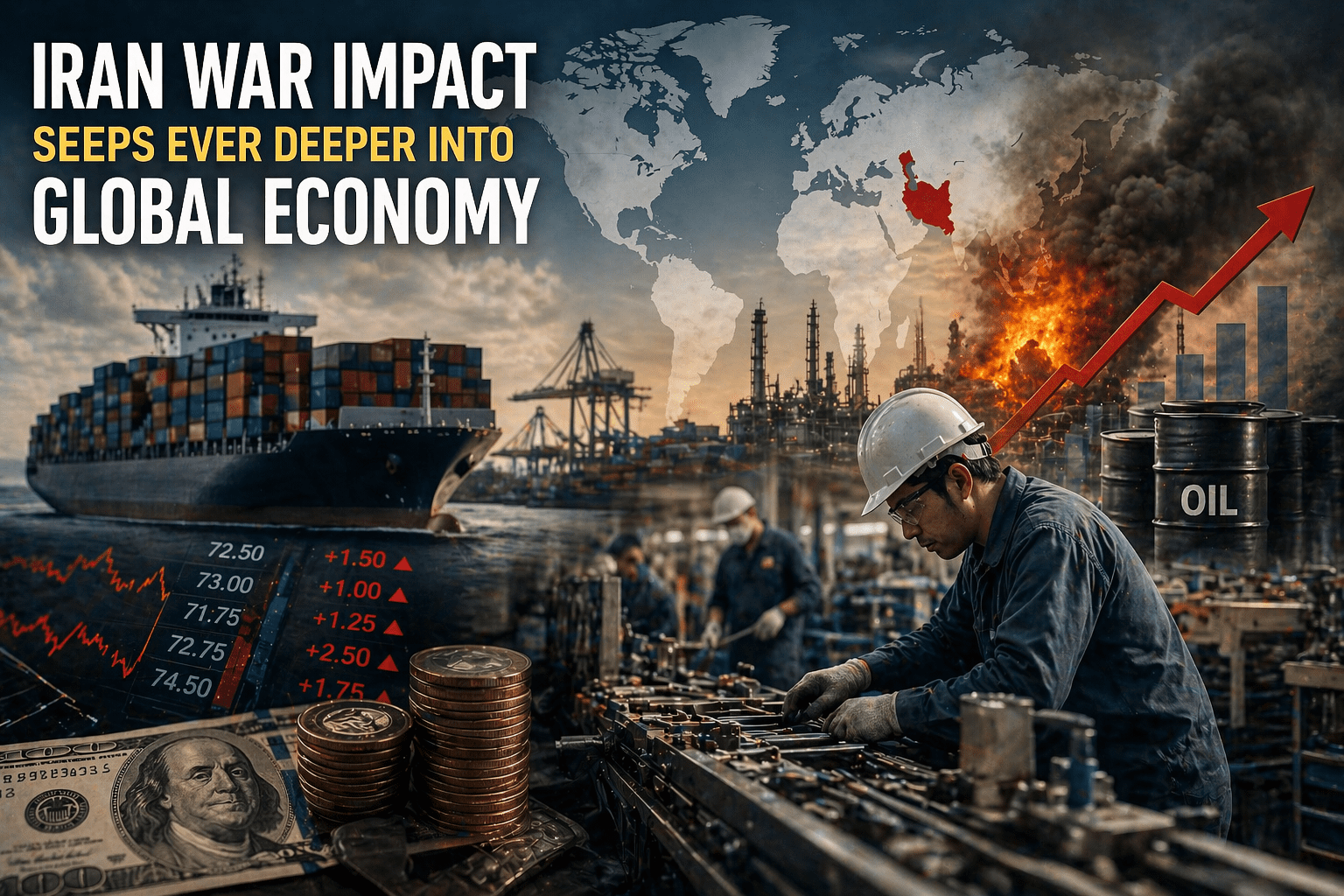
The economic fallout from the ongoing conflict involving Iran is spreading far beyond the battlefield, with fresh data indicating growing pressure on global industries, rising inflation, and weakening business activity across multiple regions.
Nearly two months into the crisis, what initially appeared to be a regional disruption has evolved into a broader economic shock, affecting manufacturing, services, and consumer confidence worldwide.
Rising Energy Costs Hit Global Production
One of the most immediate consequences of the conflict has been a sharp increase in energy prices. As oil supply routes face disruptions—particularly around the Strait of Hormuz—businesses are being forced to deal with significantly higher fuel and production costs.
Industries heavily dependent on petroleum-based inputs, such as plastics, chemicals, and transportation, are among the hardest hit. Manufacturers across Asia and Europe report that input costs have surged to levels not seen in years, squeezing profit margins and forcing companies to reconsider pricing strategies.
Europe Faces Economic Contraction Signals
Recent business surveys suggest that the eurozone is experiencing some of the strongest economic strain. Key indicators show a contraction in overall activity, with both manufacturing and services sectors slowing down.
A drop in demand, combined with rising costs, is creating a difficult environment for businesses. Service industries, which had previously shown resilience, are now also beginning to weaken—signaling that the economic impact is becoming more widespread.
Economists warn that prolonged disruption could push parts of Europe closer to a recession if conditions do not stabilize soon.
US Economy Shows Mixed Signals
Across the Atlantic, the situation in the United States appears somewhat more stable, but not without warning signs. While factory output and new orders have increased, analysts suggest that this growth may be driven by short-term behavior rather than long-term strength.
Companies are reportedly accelerating production to get ahead of potential supply shortages—a phenomenon often referred to as “front-loading.” While this can temporarily boost economic data, it may lead to a slowdown in the coming months once demand stabilizes.
At the same time, delivery delays and rising costs indicate that supply chain stress remains a major concern.
Asia Sees Output Rise Amid Cost Pressures
Countries like Japan and India have recorded increased factory output, but this growth comes with a caveat. Much of the expansion appears to be precautionary, as businesses attempt to build inventory before conditions worsen.
However, rising input costs are putting pressure on manufacturers, with some reporting the fastest increase in expenses in several years. This creates a challenging balance between maintaining production levels and protecting profitability.
Supply Chain Disruptions and Inflation Risks
The conflict has intensified existing vulnerabilities in global supply chains. Shipping delays, higher fuel costs, and increased insurance premiums are all contributing to rising prices for goods and services.
As these costs are passed on to consumers, inflationary pressures are building across multiple economies. In addition, concerns are emerging about food supply chains, as transportation and production costs continue to rise.
Economists warn that if the situation persists, central banks may face difficult decisions regarding interest rates and monetary policy.
Businesses Brace for Long-Term Impact
Corporate sentiment is increasingly cautious, with many companies warning of potential financial strain if the conflict continues. Some firms are already adjusting their strategies, including:
- Stockpiling raw materials
- Diversifying supply chains
- Delaying expansion plans
There is also growing recognition that the disruption may not be short-lived. What began as a temporary shock is now being viewed as a potential long-term structural challenge for the global economy.
Conclusion
The economic impact of the Iran conflict is no longer confined to energy markets—it is now affecting nearly every sector of the global economy. From rising production costs to slowing growth and increasing inflation, the ripple effects are becoming harder to ignore.
As uncertainty continues and supply chains remain under strain, the world faces a critical question: whether the global economy can absorb the shock—or if deeper economic challenges lie ahead.