



Japan’s Arms Export Overhaul Signals Major Global Shift
Japan is preparing to make its most significant move in defense policy since World War II, easing long-standing restrictions on arms exports. The shift is already attracting strong interest from countries across Europe and Asia, as allies look to diversify military suppliers amid uncertainty surrounding U.S. commitments and strained global weapons supply chains.
Prime Minister Sanae Takaichi’s government is expected to formally adopt the revised export rules as early as this month. The changes aim to strengthen Japan’s domestic defense industry while positioning the country as a key player in global military supply networks.
Rising Demand from Europe and Asia
Countries such as Poland and the Philippines are emerging as early potential buyers of Japanese defense equipment. Both nations are currently modernizing their armed forces in response to evolving regional security threats.
The Philippines, facing ongoing maritime tensions in the South China Sea, is reportedly in discussions to acquire used Japanese frigates. These deals could later expand to include missile defense systems, signaling a deeper strategic partnership between Tokyo and Manila.
Meanwhile, Poland is exploring cooperation with Japan in areas like anti-drone technology and electronic warfare systems. European nations, in particular, are seeking alternatives to reduce their heavy dependence on U.S. defense supplies.
U.S. Policy Uncertainty Drives Diversification
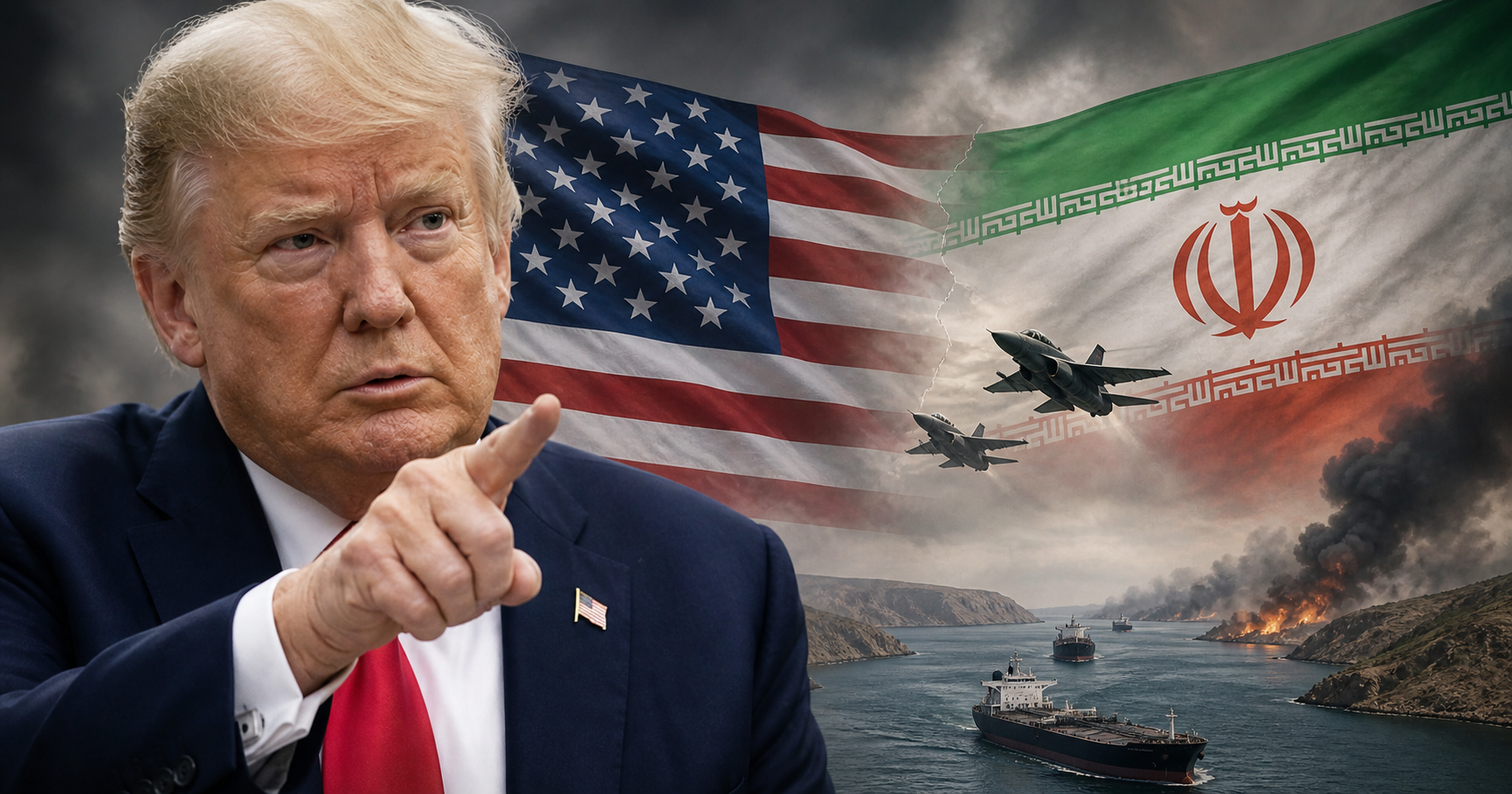
A key driver behind this shift is growing concern among U.S. allies about Washington’s reliability. Statements and actions from former President Donald Trump—such as questioning NATO commitments and making controversial geopolitical suggestions—have prompted allies to reassess their security strategies.
At the same time, ongoing conflicts in Ukraine and the Middle East have placed significant pressure on U.S. defense production capacity. Delays in deliveries and rising costs under the U.S. foreign military sales program have further encouraged countries to seek new suppliers.
Japan’s entry into the export market could help fill these gaps.
Japanese Defense Industry Ramps Up
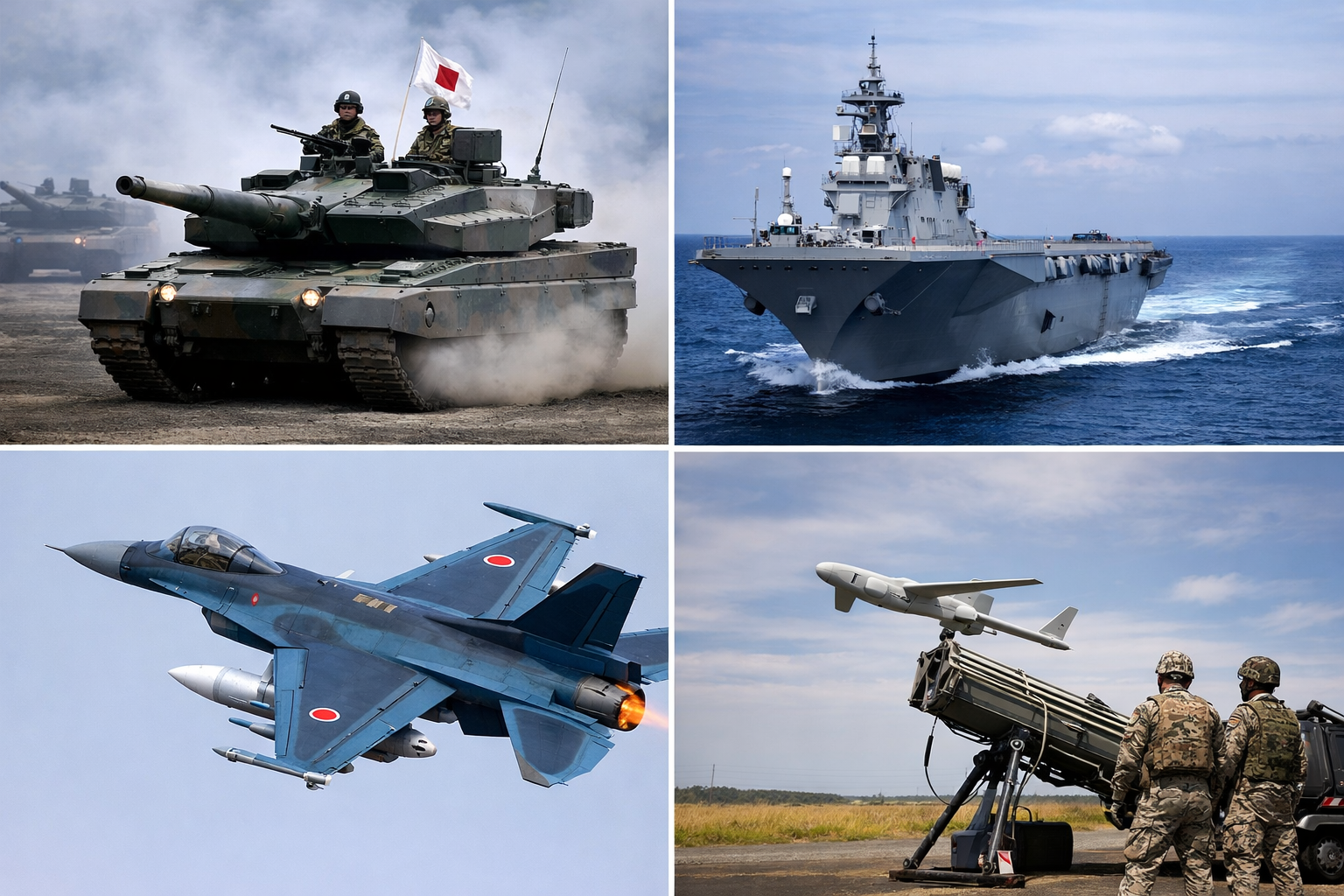
Japan already spends around $60 billion annually on defense, supporting a robust industrial base capable of producing advanced systems including submarines, fighter jets, and missile defense technologies.
Major corporations are now gearing up for expansion:
- Toshiba plans to hire approximately 500 employees over the next three years and is investing in new manufacturing and testing facilities.
- Mitsubishi Electric is increasing recruitment for international sales roles and expects its defense division’s revenue to grow by 50% by 2031.
These developments indicate a clear shift in corporate attitudes. Defense manufacturing, once seen as reputationally sensitive in Japan, is now increasingly viewed as a strategic growth sector.
Balancing Opportunity and Risk
Despite the momentum, challenges remain. Some Japanese companies with consumer-facing brands are cautious about entering the global arms market, fearing potential backlash from customers.
For example, a subsidiary of Toyota previously declined a request to supply components for a military vehicle project, citing internal policy constraints. This highlights the ongoing tension between Japan’s pacifist legacy and its evolving defense posture.
Additionally, Japan is expected to maintain strict controls on exporting weapons to active conflict zones, limiting the scope of its new policy.
Building a New Defense Ecosystem
One of Tokyo’s long-term goals is to reduce reliance on U.S.-dominated supply chains by building a more independent and regionally integrated defense network in Asia.
South Korea’s recent success as a major arms exporter—particularly to Poland and the Philippines—offers a potential model. However, Japan’s larger economy and advanced technological capabilities suggest even greater potential for growth.
Ukraine has also shown interest in collaboration, with plans underway to launch a joint industry group focused on drone technology involving Japanese and Ukrainian firms.
A Turning Point in Global Security Dynamics
Japan’s move marks a significant shift in global defense dynamics. For decades, the country maintained strict limits on military exports due to its post-war pacifist constitution. Now, it appears ready to step into a more active role in international security.
Analysts suggest this transition was inevitable. As geopolitical tensions rise and global alliances evolve, Japan is positioning itself closer to the center of global defense and political affairs.
While the United States will remain the dominant force in the defense industry—its sector still dwarfs others in scale—Japan’s emergence as a reliable alternative supplier could reshape the balance of power in military procurement.
Conclusion
Japan’s planned easing of arms export restrictions is more than a domestic policy change—it reflects a broader transformation in global security relationships. With allies seeking reliability, speed, and diversification, Tokyo is stepping forward at a pivotal moment.
If successfully implemented, the policy could not only strengthen Japan’s economy but also redefine its role on the world stage, transitioning from a pacifist nation to a key contributor in global defense cooperation.