



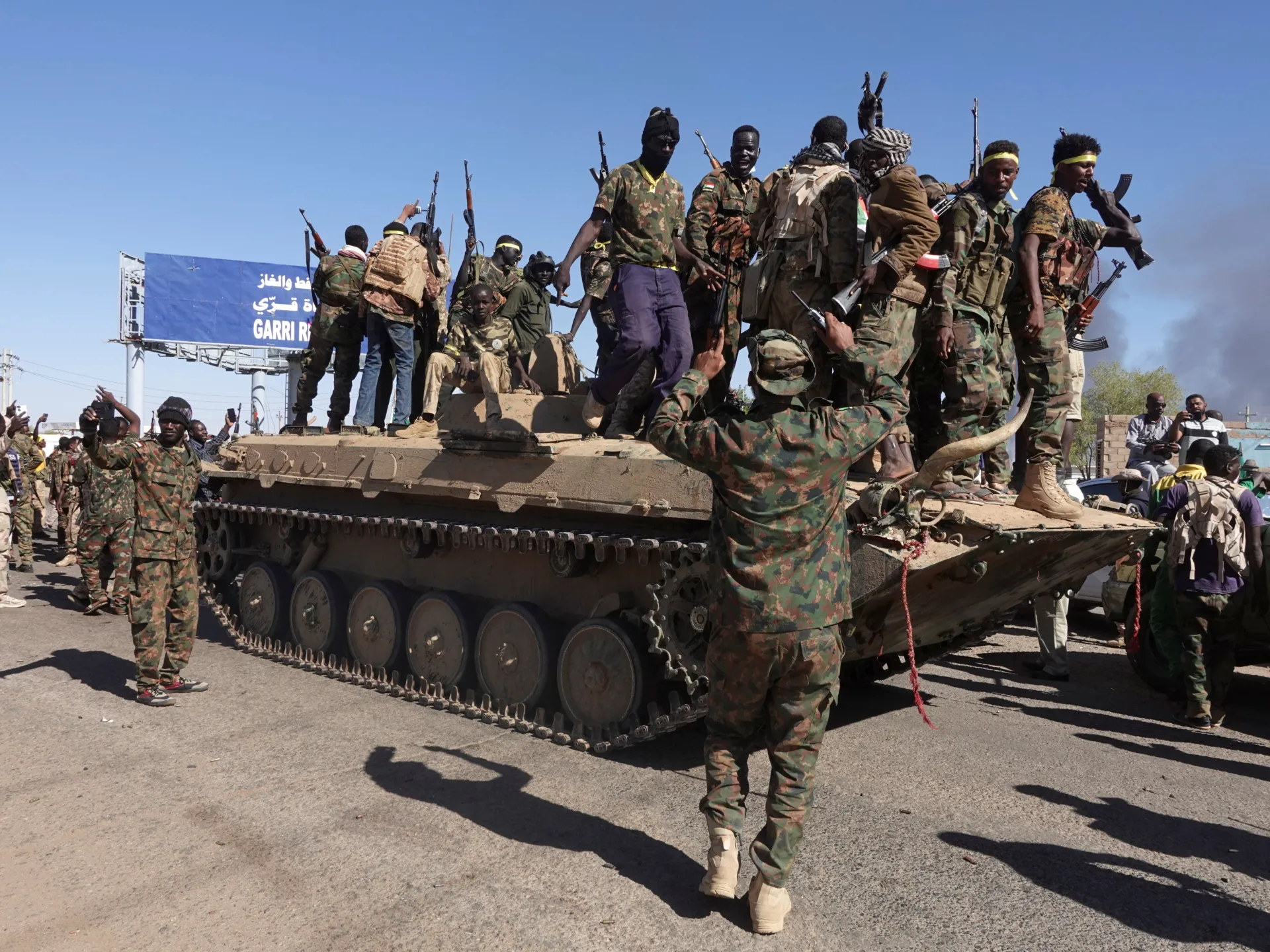
Sudan’s brutal conflict has entered its fourth year with no clear end in sight, as the national army and the paramilitary Rapid Support Forces (RSF) remain locked in a prolonged and costly military stalemate. Despite shifts in territorial control over the past year, neither side has managed to secure a decisive victory, leaving the country deeply divided and millions of civilians trapped in worsening conditions.
Damaged buildings in Khartoum highlight the scale of destruction after years of conflict.
In the capital, Khartoum, life has cautiously begun to return to a fragile sense of normalcy after the army regained control following more than two years of intense fighting. However, this relative calm is overshadowed by deep uncertainty. Economic hardship continues to intensify, basic services remain disrupted, and the threat of renewed clashes looms large.
A Country Divided by War
The conflict has effectively split Sudan into rival zones of control. The army now holds the northern, eastern, and central regions, including Khartoum, while the RSF dominates much of Darfur and large parts of Kordofan. This division has created a fractured national landscape, complicating governance and humanitarian access.
The conflict has divided Sudan into competing zones of military control.
Over the past year, the army has recorded a series of strategic gains. It retook Khartoum State, recaptured Wad Madani in Gezira, and pushed RSF forces out of several key areas in White Nile and Kordofan. These advances helped break sieges and restore partial stability in some regions, but they have not fundamentally altered the balance of power.
RSF Gains and Evolving Tactics
The RSF, however, has demonstrated resilience and adaptability. Its most significant victory came with the capture of el-Fasher, the capital of North Darfur, after a prolonged siege. This allowed the group to consolidate control over much of the region, strengthening its strategic position in western Sudan.
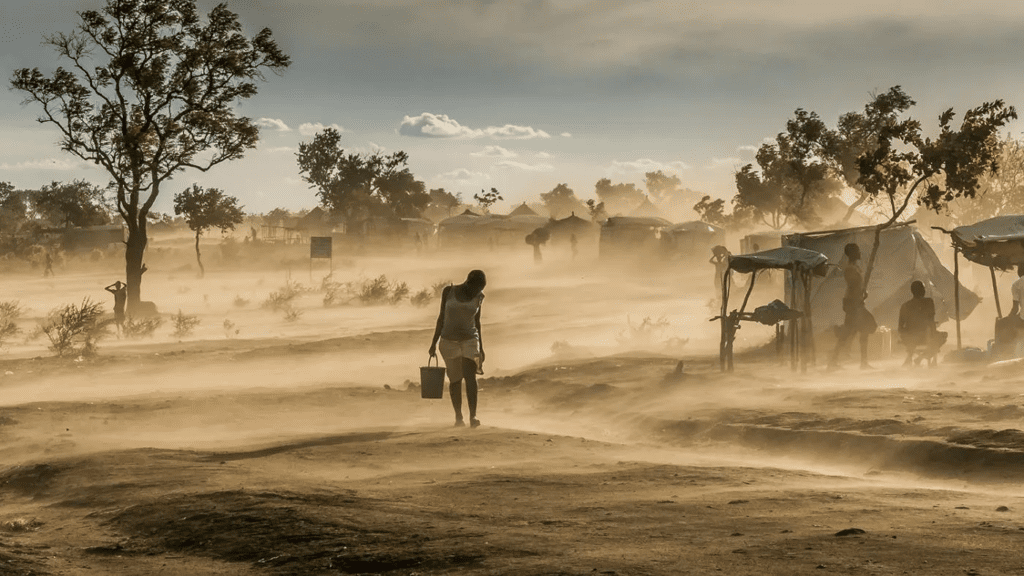
Millions of Sudanese civilians have been displaced by the ongoing conflict.
The conflict has also expanded geographically, with fighting reaching the Blue Nile region near the Ethiopian border. Both sides have increasingly turned to drone warfare, targeting supply lines and key infrastructure. These evolving tactics have intensified the conflict while making it harder for either side to achieve a decisive breakthrough.
Humanitarian Crisis Deepens
While the military situation remains deadlocked, the humanitarian toll has reached catastrophic levels. Millions of Sudanese have been forced to flee their homes, creating one of the world’s largest displacement crises.
Children remain among the most vulnerable victims of Sudan’s humanitarian crisis.
Estimates suggest that more than 14 million people have been displaced since the war began. At the same time, around 26 million people are facing acute food insecurity, with many families struggling to secure even one meal a day. Inflation has surged, the national currency has sharply depreciated, and the cost of essential goods such as fuel and bread has skyrocketed.
Even in areas where relative calm has returned, the economic situation remains dire. Limited access to healthcare, education, and basic infrastructure continues to undermine any sense of recovery.
Political Efforts and Stalled Peace Talks
Politically, there have been attempts to restore some form of civilian governance. The appointment of a new prime minister and the eventual return of the government to Khartoum marked important symbolic steps. However, these developments have yet to translate into meaningful progress toward ending the war.
International mediation efforts have also struggled. Initiatives involving major regional and global powers have failed to produce a breakthrough, and proposed peace plans have stalled amid deep mistrust between the warring sides.
Uncertain Future Ahead
As Sudan enters the fourth year of war, analysts warn that the most likely scenario is a continuation of the current stalemate. Neither the army nor the RSF appears capable of achieving a decisive victory in the near term.
There are growing concerns about further fragmentation of the country, with the possibility of parallel administrations emerging in different regions. Additionally, the risk of a broader proxy conflict is increasing, as external actors may deepen their involvement by backing rival factions.
Conclusion
Sudan now stands at a critical crossroads. With the conflict dragging on and the humanitarian crisis worsening, the cost of inaction continues to rise. Without renewed diplomatic efforts and sustained international pressure, the war risks becoming even more entrenched.
For millions of Sudanese civilians, the fourth year of conflict brings not hope, but continued uncertainty, hardship, and the urgent need for peace.