

Hanno Pevkur has expressed strong confidence that NATO will remain intact despite growing tensions within the alliance. Speaking during a visit to Vilnius, Pevkur dismissed concerns about a possible collapse of NATO, emphasizing trust in the United States and its commitment to collective defense.
“Yes, I trust the U.S. and all our allies,” Pevkur said, reinforcing Estonia’s belief that NATO’s core principle—mutual defense—remains solid.
Trust in US Security Commitment
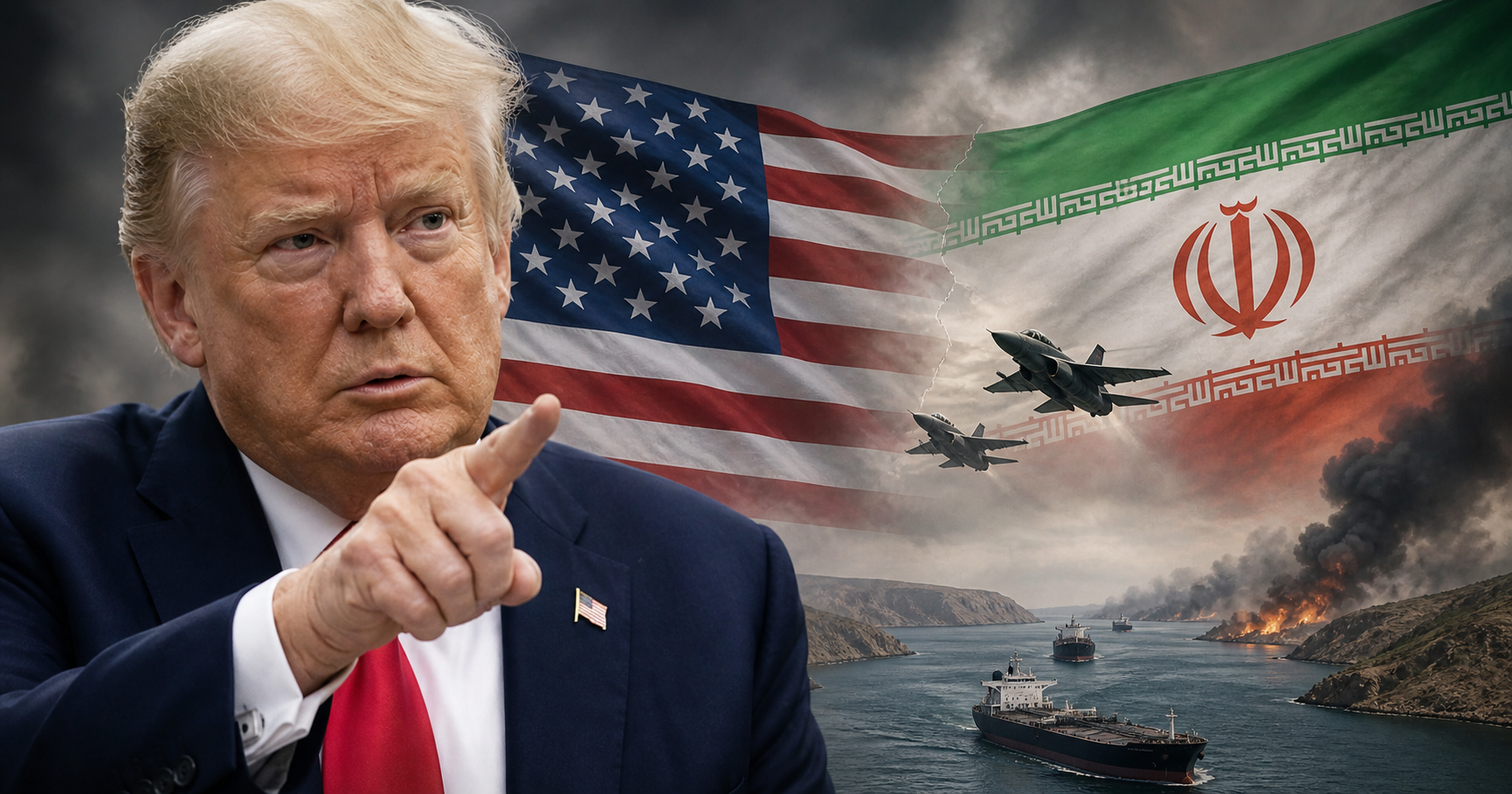
Despite recent remarks by Donald Trump that raised doubts about US involvement in NATO, Estonia remains confident that Washington would respond in the event of aggression from Russia.
Trump had previously threatened to reconsider US participation in NATO over disputes with European members, including disagreements related to military commitments and strategic priorities. These comments unsettled several allies, especially those close to Russia’s borders.
However, Pevkur stressed that the relationship between the US and Europe is mutually dependent, stating that both sides rely on each other for military strength and strategic stability.
Rising Concerns Over Russia
Estonia’s confidence comes amid growing security concerns. Intelligence assessments earlier this year suggested that Russia is preparing for future conflicts by stockpiling ammunition, potentially after the ongoing war in Ukraine subsides.
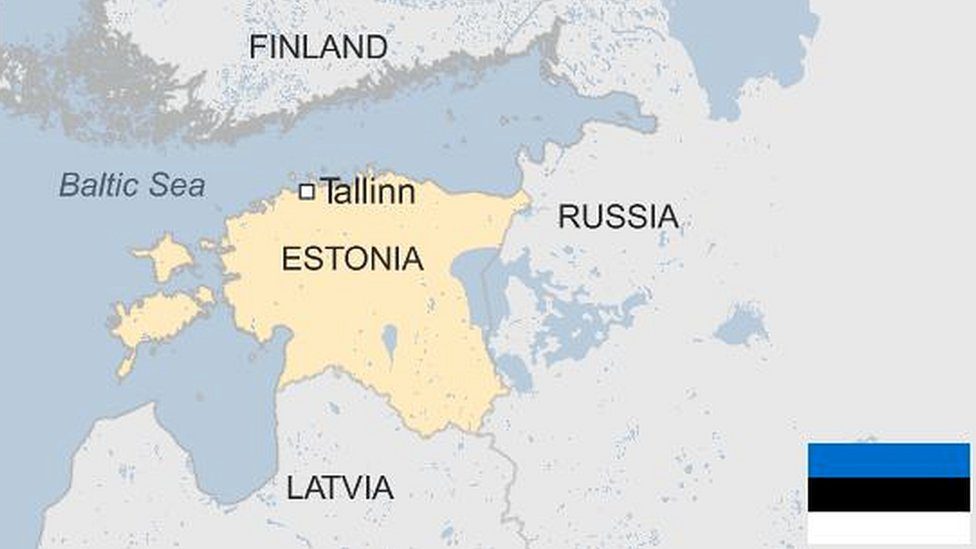
Moscow has dismissed such claims as unfounded, but countries in Eastern Europe remain wary. For Estonia, which shares a border with Russia, the threat is taken seriously, making NATO’s security guarantee critical.
Europe Not Ready to Stand Alone
While defending NATO’s unity, Pevkur acknowledged a key weakness: Europe’s limited ability to defend itself without US support.
“Are we where we want to be? No,” he said, calling for increased defense investment across NATO members.

Although NATO members agreed to raise defense spending targets, many countries have yet to meet the goal. The alliance had discussed increasing spending to at least 5% of GDP, a benchmark strongly pushed by Trump.
Estonia stands out as one of the few countries meeting this expectation, with planned defense spending of 5.1% of its GDP this year—among the highest in the alliance.
NATO Compared to a “Long Marriage”
Pevkur described current tensions within NATO as natural for a long-standing alliance. Comparing it to a long marriage, he noted that disagreements are inevitable but manageable.
“There are no 50 years of purely smooth sailing,” he said, suggesting that internal disputes do not necessarily signal structural weakness.
Shifting Focus: Iran and Ukraine
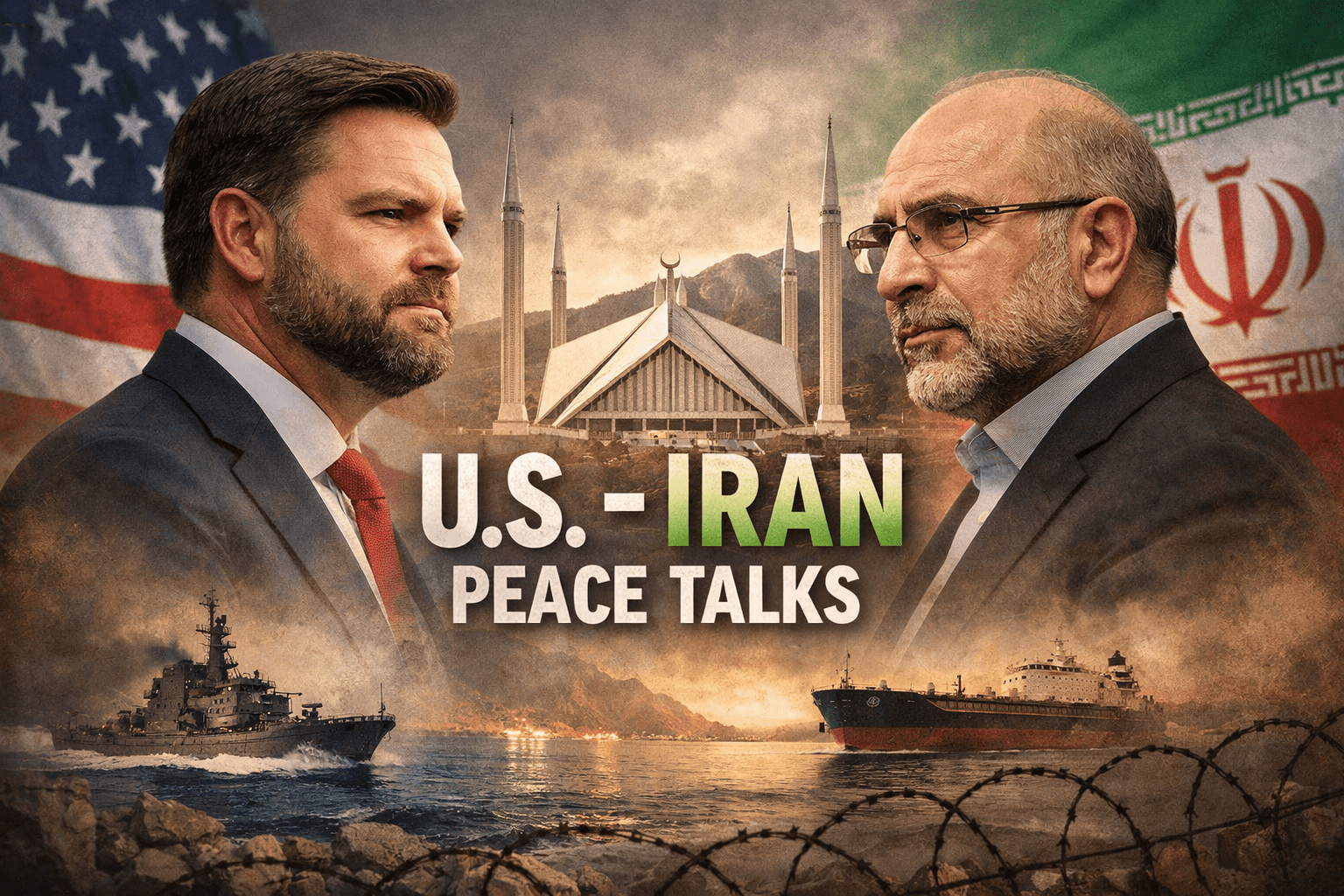
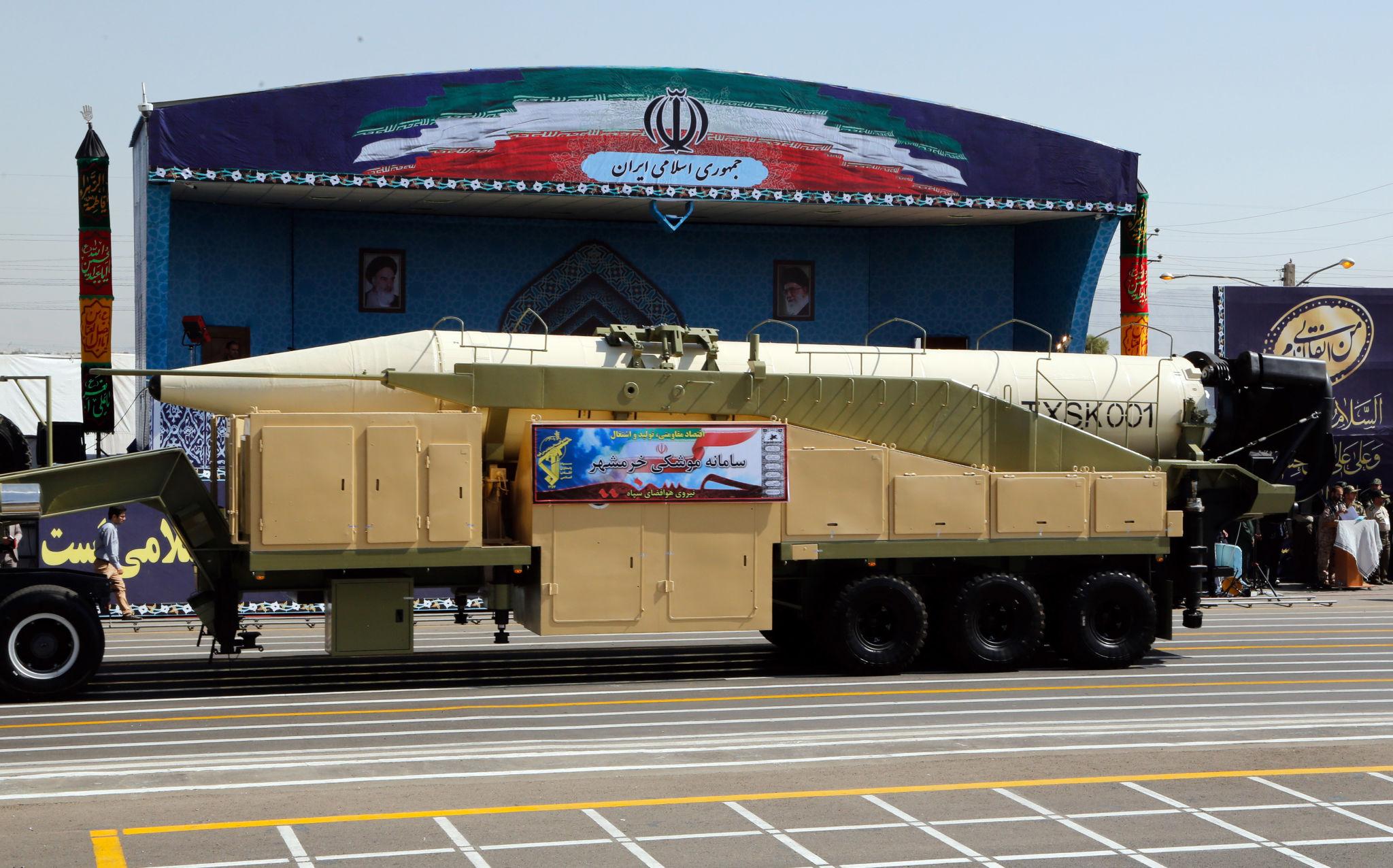
Looking beyond Europe, Pevkur also highlighted the importance of resolving tensions involving Iran. He argued that ending the conflict in Iran could allow the United States to redirect more attention and resources toward Ukraine.
“For our region, Ukraine remains the main problem,” he said, underlining the strategic importance of continued US engagement in Eastern Europe.
Conclusion
Despite political disagreements and strategic uncertainties, Estonia remains confident in NATO’s future. The alliance, while facing internal strains and external threats, continues to be seen as the cornerstone of European security.
However, Pevkur’s remarks also serve as a warning: without increased investment and stronger coordination, Europe may struggle to defend itself independently. As global tensions rise, NATO’s unity—and the US role within it—will remain under close scrutiny.