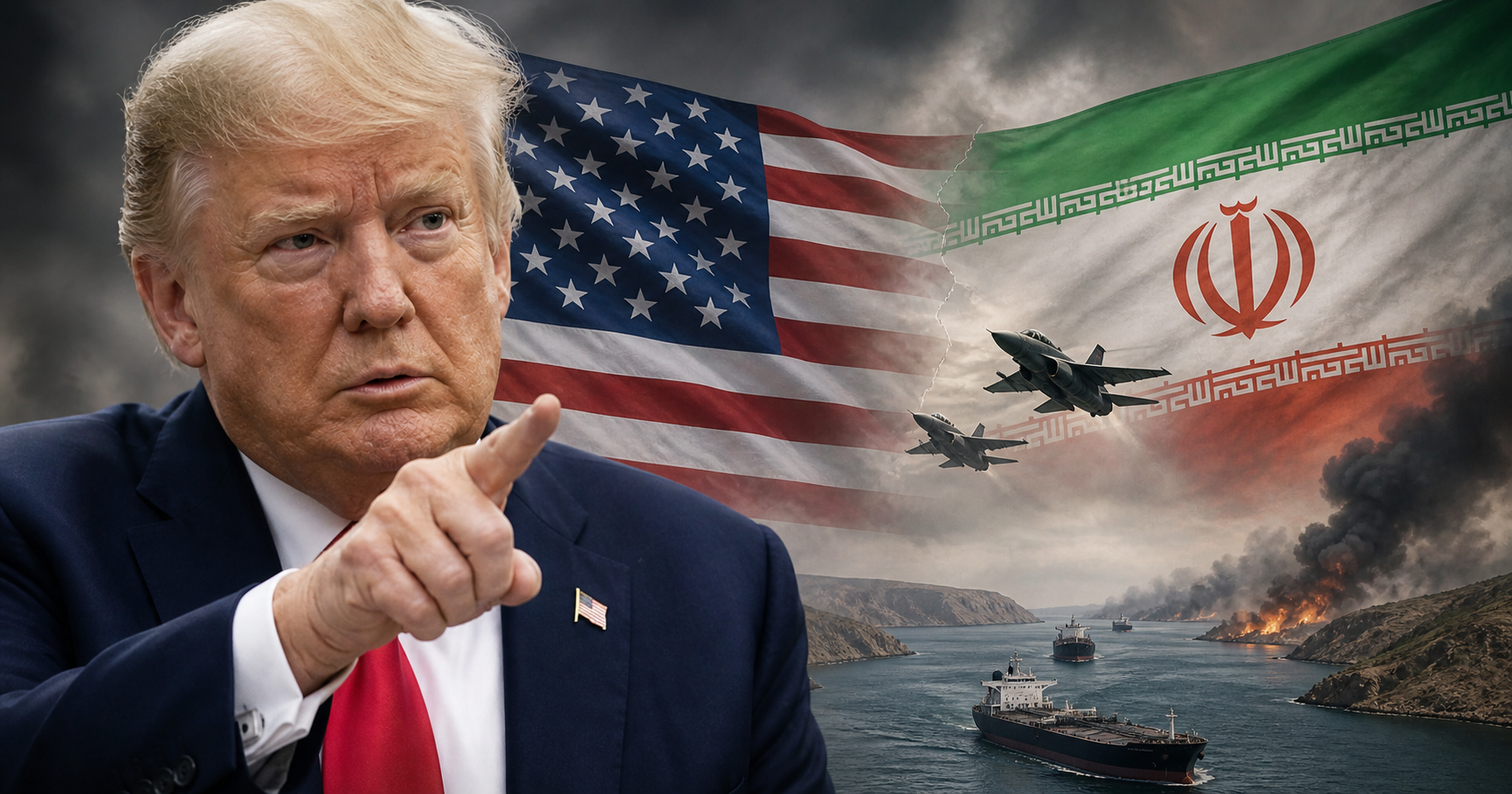


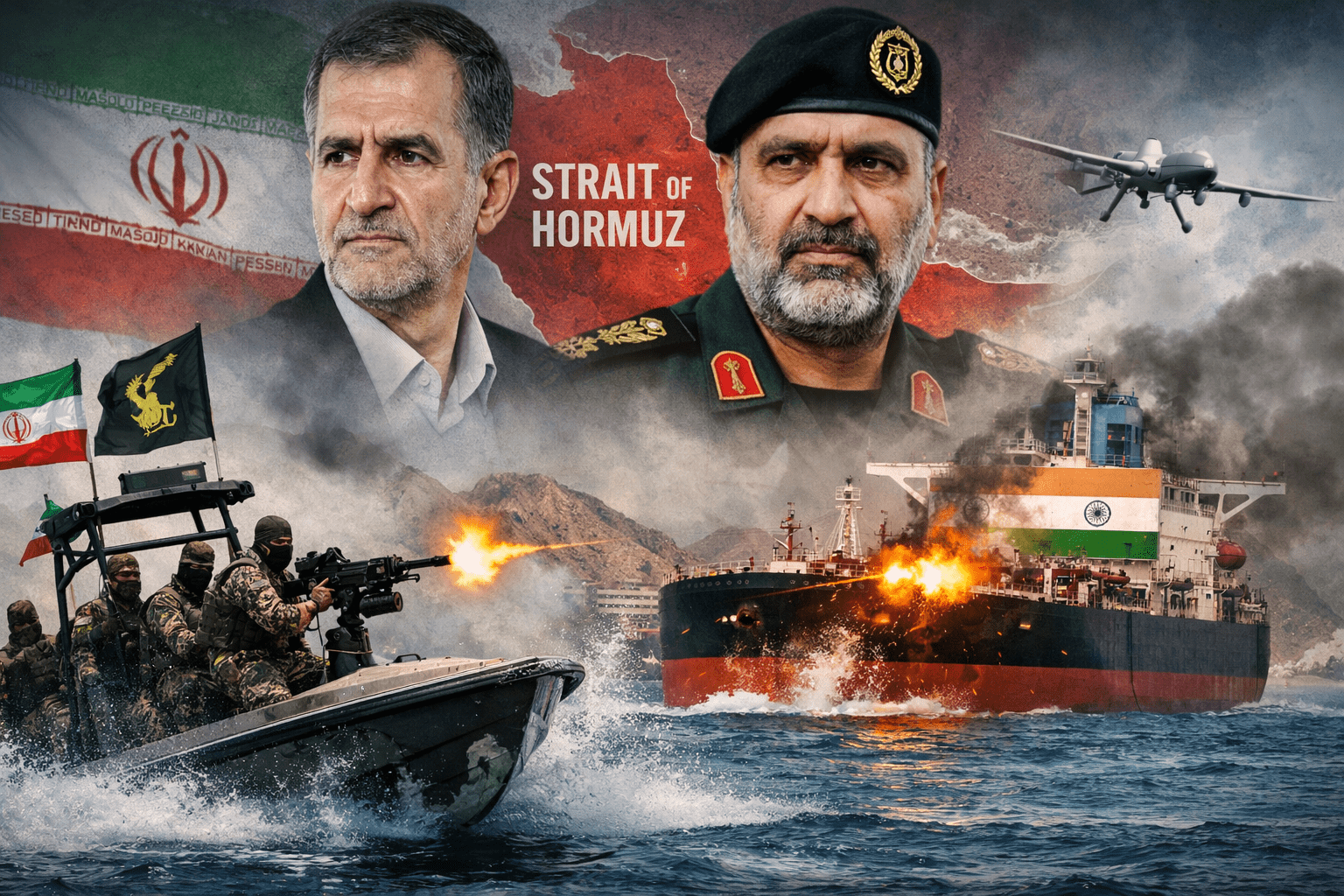
The firing on two India-flagged merchant vessels in the strategically vital Strait of Hormuz on Saturday has triggered serious diplomatic concerns and highlighted deepening divisions within Iran’s power structure.
Following the incident, India summoned Iranian Ambassador Mohammad Fathali to lodge a formal protest. New Delhi conveyed its “serious concerns and displeasure,” underscoring the gravity of the situation given the presence of Indian crew and the country’s heavy reliance on Gulf energy routes.
Confusion Over Strait’s Status
The firing appears to have stemmed from conflicting signals within Iran about whether the Strait was open to commercial shipping.
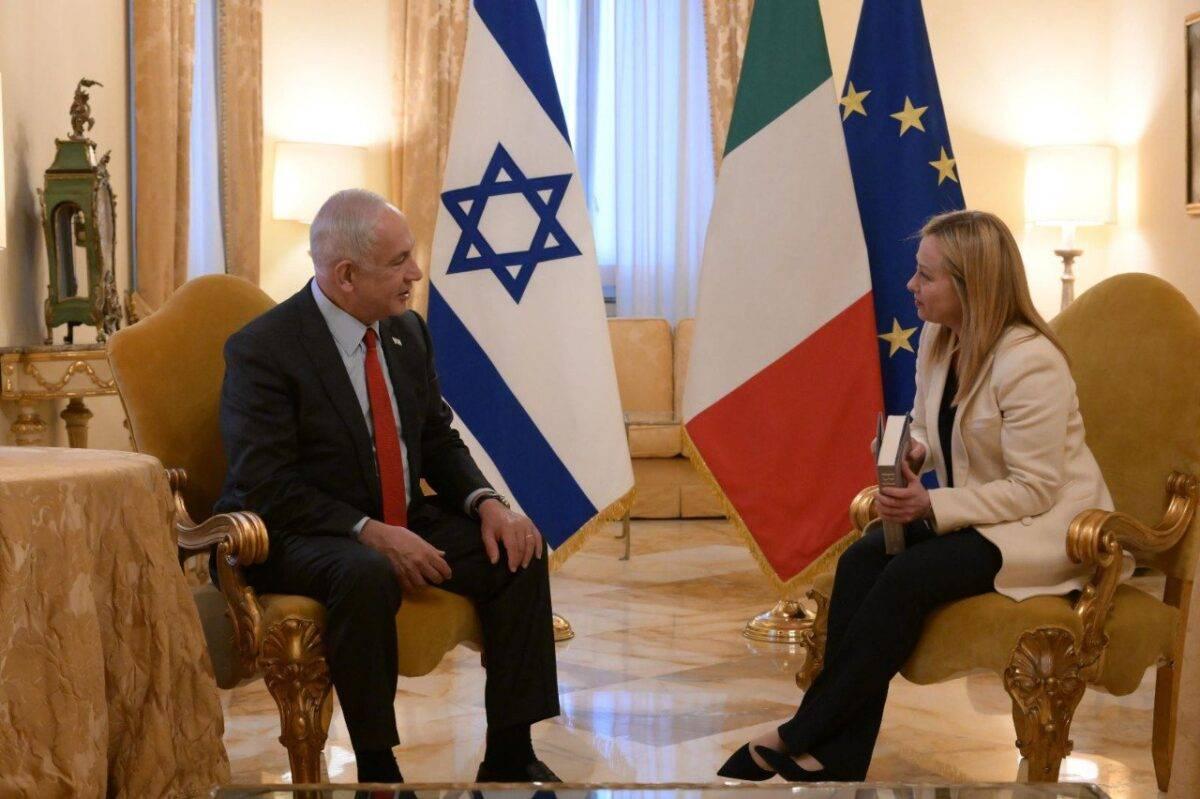
Iran’s Foreign Minister Abbas Araghchi publicly stated that the passageway would remain “fully open” following a ceasefire agreement linked to the Israel–Hezbollah conflict. However, a senior Iranian official contradicted this, insisting that vessels must coordinate with the powerful Islamic Revolutionary Guard Corps (IRGC) before transiting.
This contradiction created chaos in maritime traffic, with several vessels attempting passage only to be turned back—or, in the case of the Indian ships, coming under fire.
IRGC vs Civilian Leadership
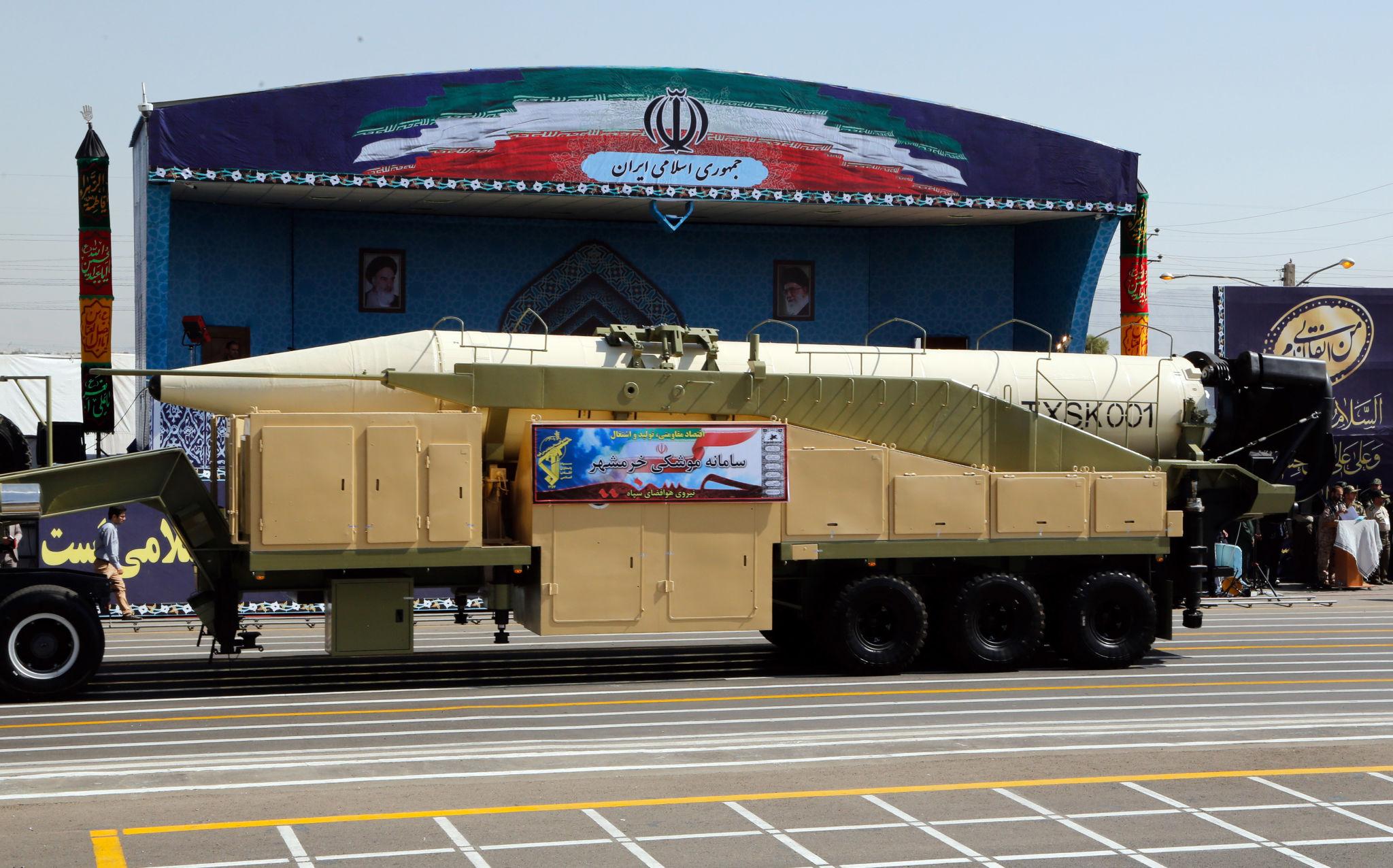
The episode underscores a growing rift between Iran’s civilian leadership and the IRGC. While the government has signaled openness to diplomacy and economic normalization, the IRGC appears to be pursuing a more hardline, security-driven approach.
Experts describe Iran’s current system as “heterarchical governance,” where multiple centers of power operate simultaneously without a single controlling authority. In this structure, the IRGC exercises significant control over strategic assets such as the Strait of Hormuz, often acting independently of civilian directives.
Strategic Importance of the Strait
The Strait of Hormuz remains one of the world’s most critical maritime chokepoints, handling roughly 20% of global oil and gas flows. For India, the stakes are even higher—nearly 90% of its gas imports pass through this narrow corridor.
The uncertainty has left hundreds of vessels stranded in the Persian Gulf, disrupting global energy markets and raising insurance and shipping costs.
Escalation Since Regional Conflict
The divide between Iran’s political leadership and the IRGC has widened since the outbreak of conflict in the region earlier this year. President Masoud Pezeshkian has reportedly pushed for restraint and economic recovery, while IRGC commanders have favored continued military pressure.
Clashes behind closed doors have intensified, with the IRGC allegedly overriding government decisions and maintaining operational control over key military and maritime strategies.
Mixed Messaging and Global Impact
The confusion surrounding Araghchi’s announcement was further amplified by Iranian state-linked media, which criticized his statement as “incomplete” and “misleading.” Meanwhile, the IRGC imposed its own conditions on maritime passage, including restrictions on military vessels and “hostile” cargo.
This lack of unified messaging has not only endangered civilian shipping but also complicated ongoing diplomatic efforts involving global powers, including the United States.
A Test of Power in Tehran
The Hormuz incident has transformed the Strait from a trade route into a symbol of internal power struggle within Iran. With the IRGC tightening its grip and moderates losing influence, the question of who truly governs Iran remains unresolved.
Until that question is settled, uncertainty in the Strait of Hormuz is likely to persist—posing risks not just to regional stability, but to global energy security and international shipping.