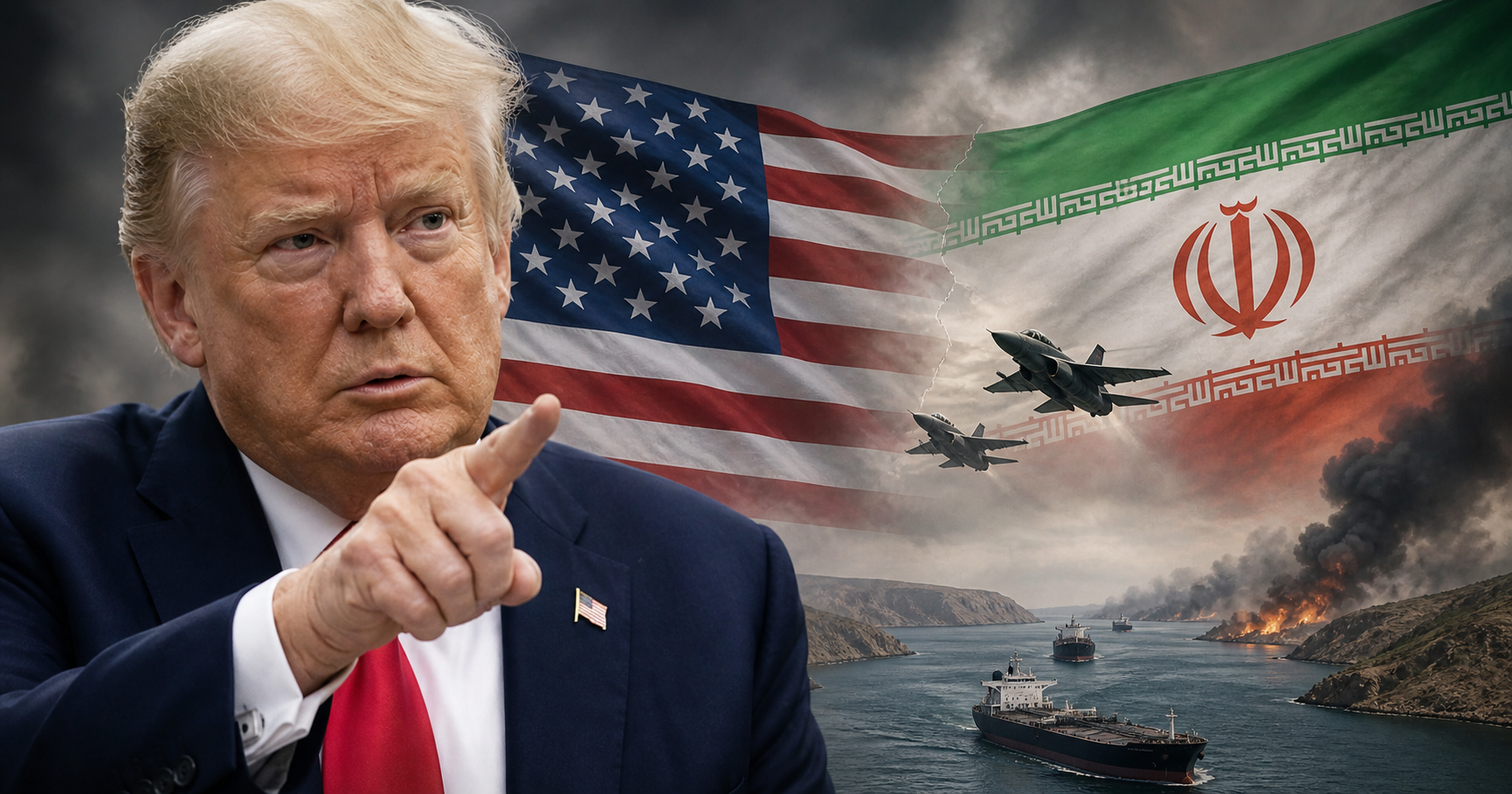


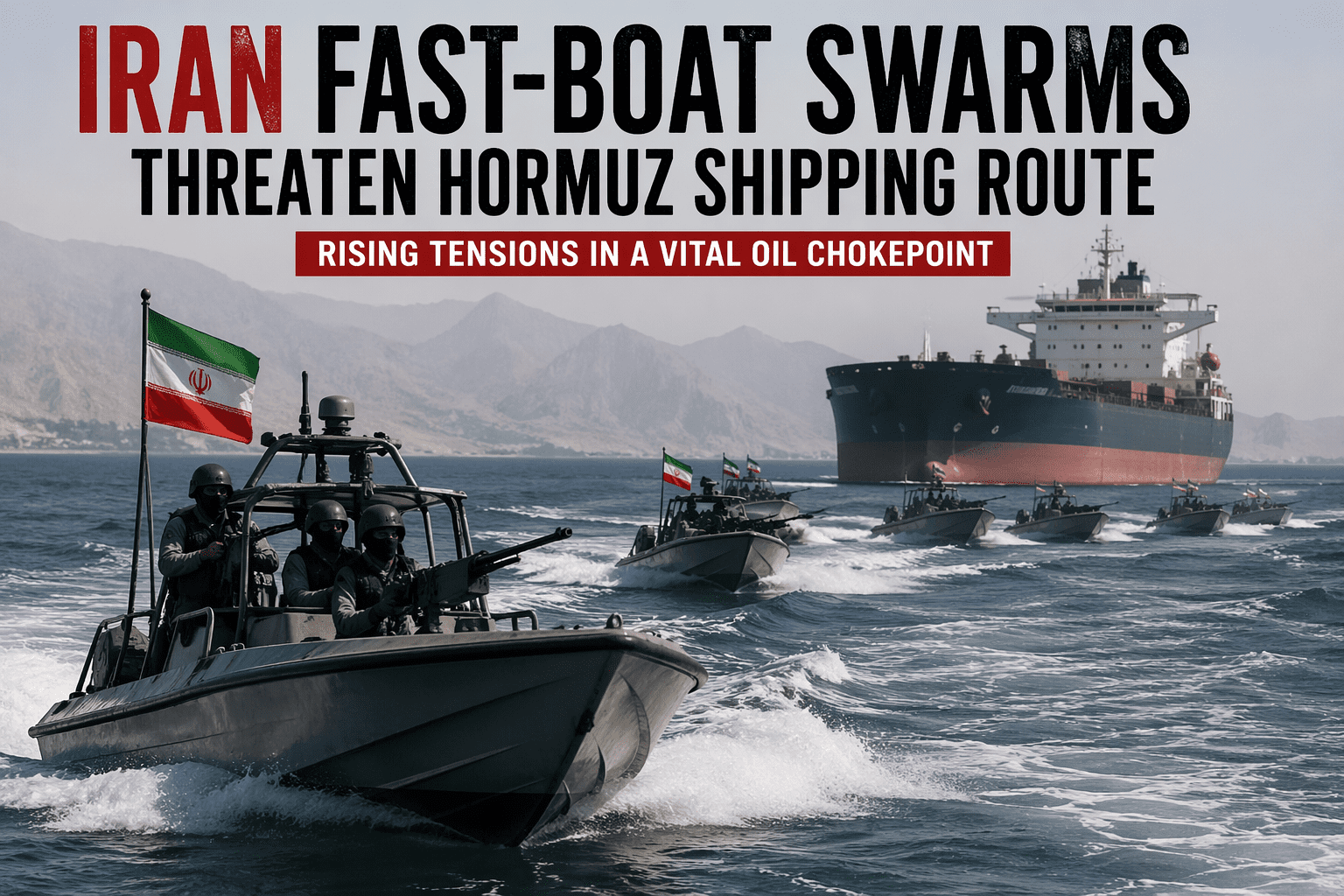
Tensions in the Persian Gulf have escalated once again as Iran deploys swarms of small, fast-attack boats to seize commercial vessels near the strategically critical Strait of Hormuz. The move signals a shift in Tehran’s naval tactics and highlights the growing complexity of maritime security in one of the world’s most vital energy corridors.
According to a Reuters report, Iran recently used these fast-moving boats to capture two container ships, undermining earlier claims that U.S. military actions had neutralized Iran’s naval capabilities. While larger Iranian naval vessels have reportedly been destroyed, smaller, agile craft are proving far more difficult to counter.
A Shift to Asymmetric Naval Warfare
U.S. President Donald Trump acknowledged earlier this week that Iran’s conventional navy had been largely dismantled. However, he admitted that fast-attack boats were not previously considered a major threat.
These vessels, often operated by Iran’s Revolutionary Guard forces, are heavily armed with machine guns, rocket launchers, and sometimes anti-ship missiles. Their speed and maneuverability allow them to carry out “hit-and-run” operations, making them a cornerstone of Iran’s asymmetric warfare strategy.
Security experts describe this as part of a “layered threat system,” combining:
- Shore-based missile systems
- Armed drones
- Naval mines
- Electronic interference
This integrated approach is designed to create uncertainty and disrupt decision-making for both military and commercial operators.
Why Fast Boats Are So Effective
Unlike large warships, these small vessels are difficult to detect and track. They are often hidden in coastal tunnels, naval bases, or even among civilian maritime traffic.
Estimates suggest Iran had hundreds to thousands of such boats before the current conflict began, with over 100 possibly destroyed since late February. Despite these losses, enough remain operational to pose a serious threat.
Typically, a dozen or more boats are used in coordinated seizure operations, overwhelming unarmed commercial ships that lack defensive capabilities.
Strategic Importance of the Strait
The Strait of Hormuz handles roughly 20% of the world’s daily oil and liquefied natural gas supply, making it one of the most important maritime chokepoints globally.
Earlier missile and drone attacks had already disrupted traffic in the region, though those incidents paused following an April 8 ceasefire. The recent seizures suggest a renewed escalation, particularly after the United States imposed a naval blockade targeting Iranian trade routes.
Limitations of Iran’s Tactics
Despite their effectiveness against commercial vessels, fast boats have notable weaknesses:
- They struggle in rough sea conditions, particularly during high winds and swells
- They are highly vulnerable to airstrikes and advanced naval defenses
- Direct confrontation with warships would likely result in heavy casualties
Defense analysts note that while missile systems could easily destroy these boats, their dispersed and mobile nature makes them harder to eliminate entirely.
Economic Impact on Global Shipping
The resurgence of fast-boat tactics is expected to have significant consequences for global trade:
- Increased shipping disruptions
- Rising insurance premiums
- Greater operational risks for commercial fleets
Maritime experts warn that civilian shipping is not equipped to defend against armed seizures, leaving vessels exposed in high-risk zones.
A Familiar Strategy, Perfected
This is not the first time Iran has relied on asymmetric tactics. During the “Tanker War” of the 1980s, similar strategies were used after its conventional navy was weakened.
Analysts say the current situation reflects a refined version of that doctrine—one that leverages speed, unpredictability, and decentralization to counter technologically superior forces.
Conclusion
While the destruction of Iran’s larger naval assets may have appeared to shift the balance of power, the rise of fast-boat swarm tactics shows that the threat in the Gulf is far from over. As geopolitical tensions continue to simmer, the security of one of the world’s most critical energy routes remains uncertain.