


Italy has decided not to renew its long-standing defense cooperation agreement with Israel, marking a significant shift in relations between the two countries amid rising tensions over conflicts in the Middle East.

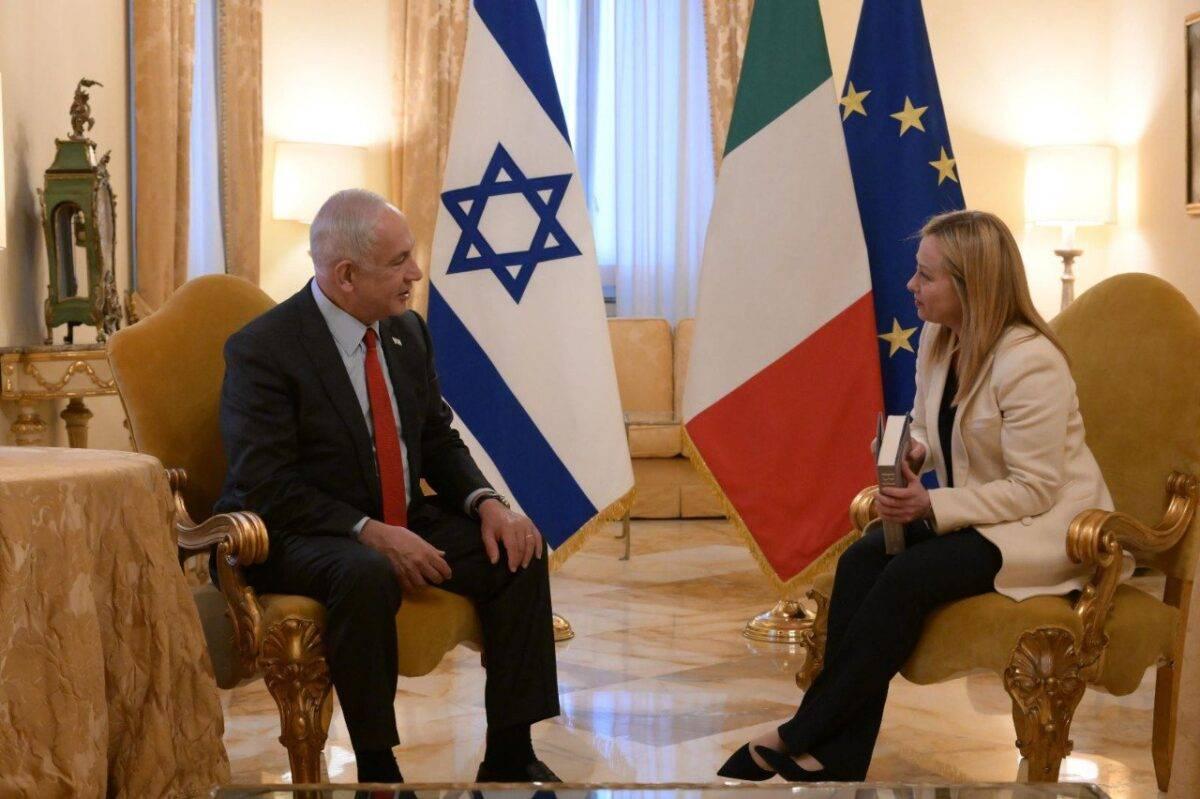
Prime Minister Giorgia Meloni announced the decision during an event in Verona. A government official confirmed that Defense Minister Guido Crosetto formally communicated the move to his Israeli counterpart, Israel Katz.
End of a Two-Decade Defense Framework
The agreement, originally signed in 2005, enabled cooperation in several military areas, including defense industry collaboration, procurement policies, and the exchange of technical and strategic data. Traditionally renewed every five years, the pact was due for extension this month.
However, increasing political pressure within Italy and growing public concern over Israel’s military actions in Gaza contributed to the government’s decision to halt its renewal.
Opposition leaders welcomed the move, calling it a response to sustained protests against the humanitarian impact of the conflict.
Tensions Over Gaza and Lebanon
Relations between Italy and Israel have deteriorated in recent weeks, particularly following criticism from Italian officials over Israeli operations in Gaza and Lebanon.

Italy’s Foreign Minister Antonio Tajani recently condemned what he described as “unacceptable attacks” on civilian populations. His remarks, made during a visit to Lebanon, drew a sharp response from Israel.
In a series of diplomatic escalations:
- Israel summoned Italy’s ambassador in Tel Aviv
- Italy summoned Israel’s ambassador in Rome
- Israeli forces fired warning shots near an Italian convoy involved in a United Nations mission in Lebanon
Israel Downplays the Decision
Israel sought to minimize the impact of Italy’s move. Foreign Minister Gideon Saar stated that the agreement had limited practical significance, describing it as a memorandum with little substantive implementation.
He emphasized that Israel’s national security would not be affected by Italy’s decision.
A Shift From Close Alliance
Italy had previously been one of Israel’s strongest supporters in Europe. During a 2023 visit by Israeli Prime Minister Benjamin Netanyahu, Meloni described Israel as a “key partner” on both regional and global levels.

The latest development, however, indicates a notable shift in Italy’s foreign policy approach amid ongoing regional instability.
Trump Criticizes Italy’s Position

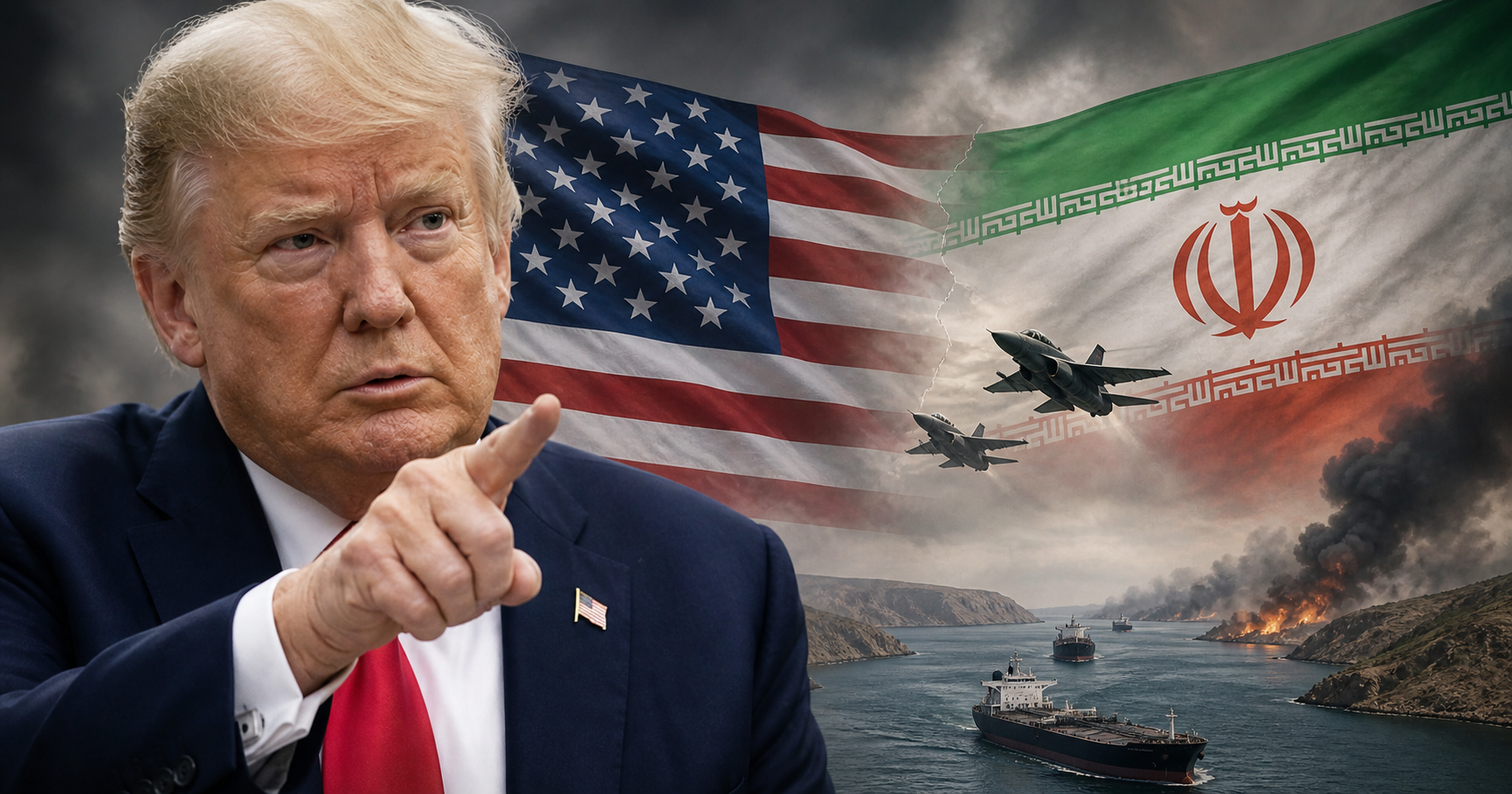
The decision has also drawn criticism from former U.S. President Donald Trump, who expressed disappointment with Italy’s stance.
In an interview, Trump said he was “very shocked” by Italy’s refusal to support U.S. efforts in the Middle East, particularly regarding tensions with Iran. He also questioned Meloni’s leadership, marking a sharp departure from his earlier praise.
Broader Implications
Italy’s move could have wider geopolitical consequences, including:
- Increased diplomatic pressure on Israel from European nations
- Challenges to Western unity on Middle East policy
- Strained coordination between the United States and its European allies
Conclusion
Italy’s decision to suspend its defense pact with Israel underscores a growing divide among Western allies over the Middle East conflict. As tensions continue to escalate, the move may reshape diplomatic alignments and influence future international responses to the crisis.