

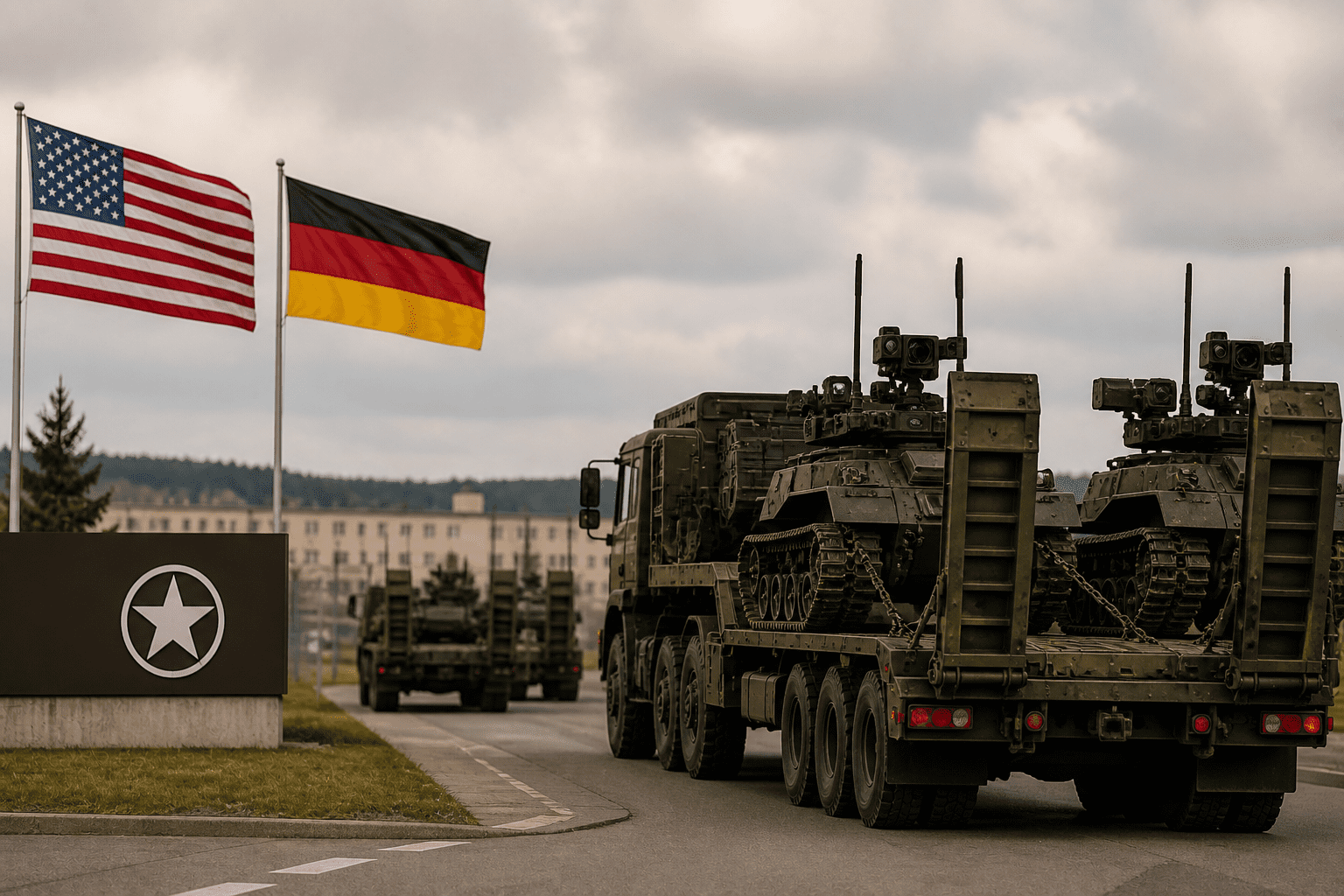
The United States has announced plans to withdraw approximately 5,000 troops from Germany over the next year, a move that comes amid rising tensions between Washington and European allies over the ongoing conflict with Iran.
The decision, confirmed by the Pentagon, follows sharp criticism from German leadership regarding the US military campaign, further straining transatlantic relations.
Pentagon Confirms Gradual Withdrawal
According to Pentagon officials, the troop reduction will take place over a period of six to twelve months. Despite the withdrawal, the US will still maintain a significant military presence in Germany, with more than 30,000 personnel expected to remain stationed in the country.
Pentagon spokesman Sean Parnell stated that the move is part of a broader reassessment of US military posture in Europe, taking into account evolving strategic needs and conditions on the ground.
Political Friction with Germany
The decision comes shortly after public criticism from German Chancellor Friedrich Merz, who questioned the US strategy in the Iran conflict. Merz described the war effort as poorly planned and warned that the situation was damaging America’s global standing.
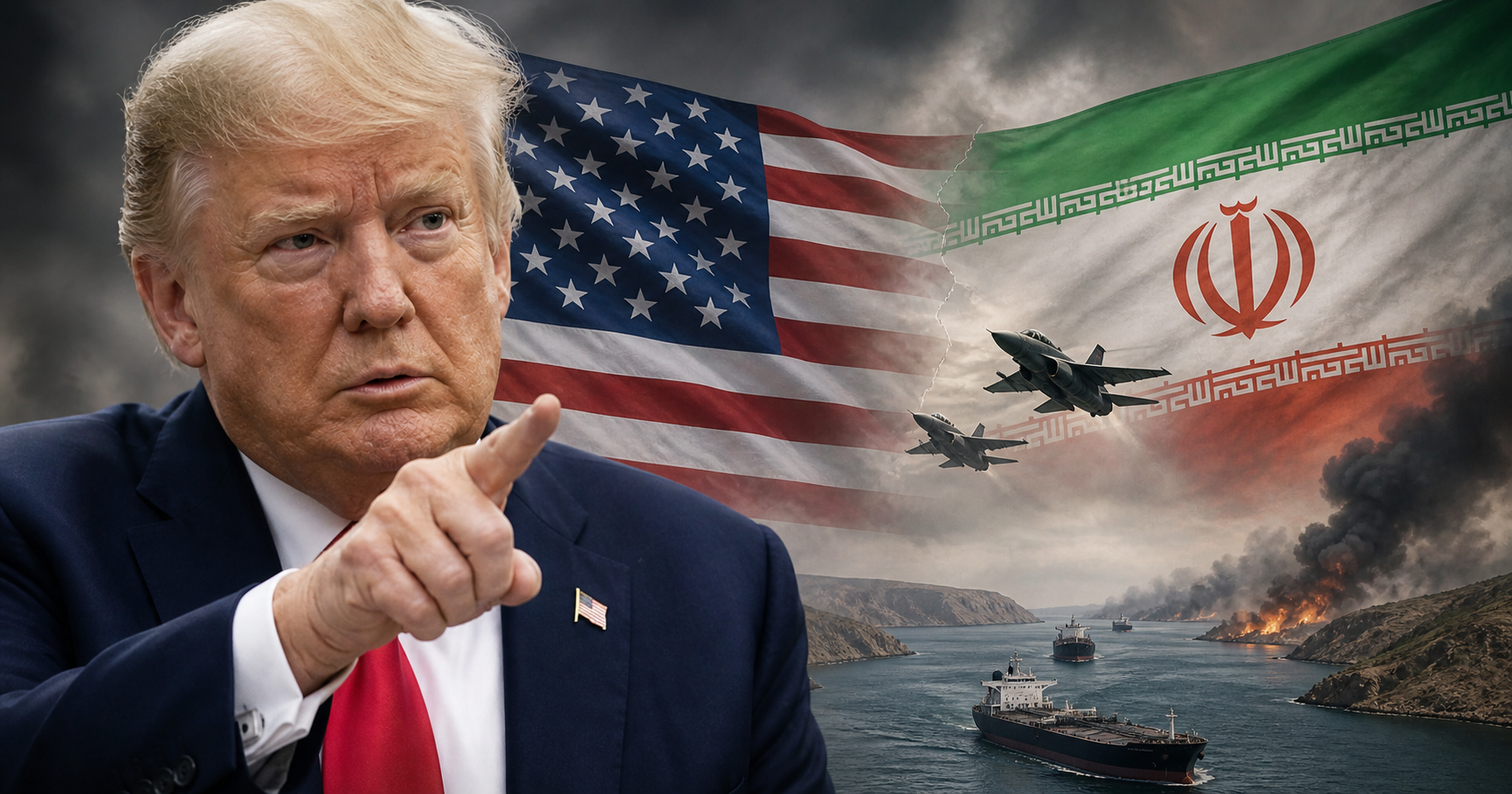
In response, US President Donald Trump dismissed the remarks, stating that the German leader “doesn’t know what he’s talking about.” He had earlier indicated that troop levels in Europe were under review, hinting at possible reductions.
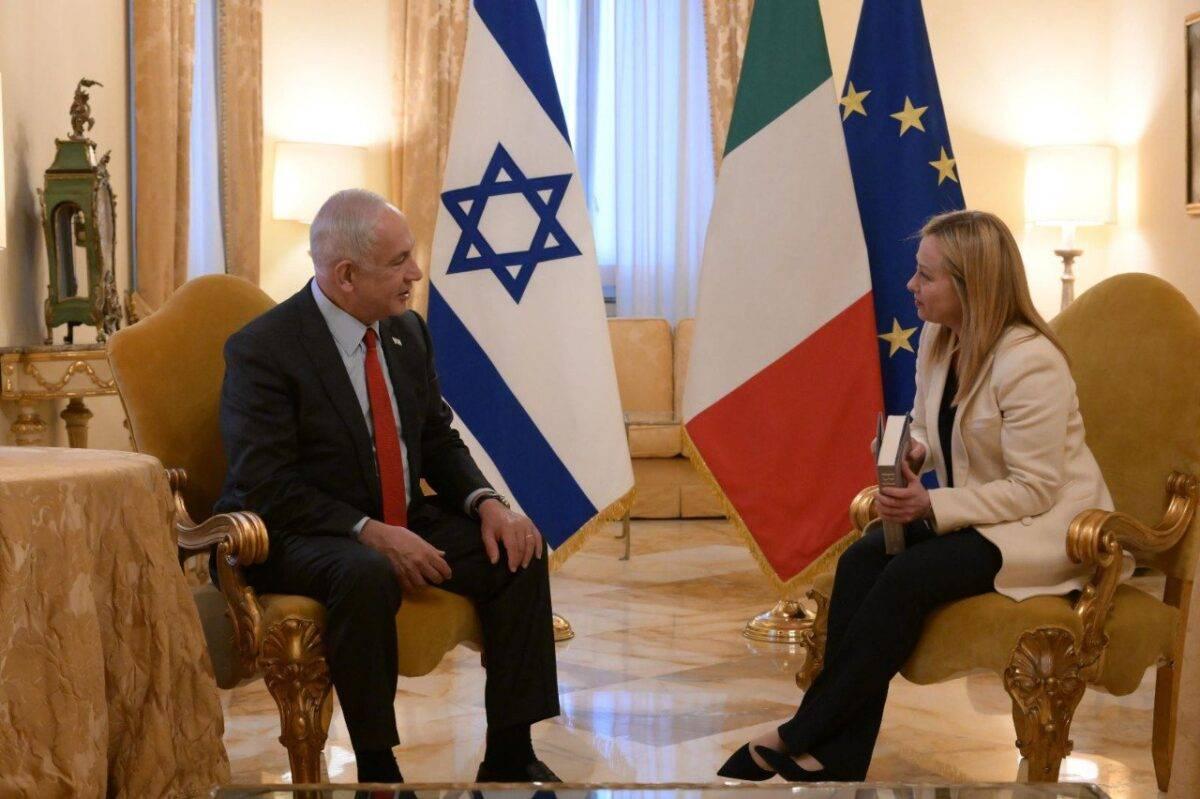
Tensions have also extended beyond Germany, with Trump criticizing other NATO allies such as Italy and Spain for what he described as insufficient support in the conflict.
Germany Downplays the Move
Germany’s Defense Minister Boris Pistorius played down the significance of the withdrawal, calling it “foreseeable.” He emphasized that the development reinforces the need for Europe to take greater responsibility for its own defense and security.
Berlin has provided limited support to the US during the conflict, primarily by allowing access to military infrastructure, including air bases. However, Germany has not permitted its territory to be used for launching direct offensive operations.
Strategic Importance of Germany
Germany remains a critical hub for US military operations in Europe. Facilities such as Ramstein Air Base serve as key logistical centers for airlift operations, medical evacuations, and coordination of regional missions.
As of late 2025, more than 36,000 US military personnel were stationed in Germany, making it one of the largest overseas deployments for American forces.
Broader Implications
The troop withdrawal signals a shift in US-Europe defense dynamics at a time when unity within the NATO is under pressure. The US decision to launch military action against Iran without fully consulting allies has been a major source of friction.
Meanwhile, Germany has indicated it may increase its involvement in a future post-conflict stabilization effort. Berlin recently announced plans to deploy a naval minesweeper to the Mediterranean Sea, potentially supporting efforts to secure key maritime routes such as the Strait of Hormuz once hostilities subside.
Despite these steps, differences between Washington and its European partners remain unresolved, raising questions about the future of military cooperation and alliance cohesion.