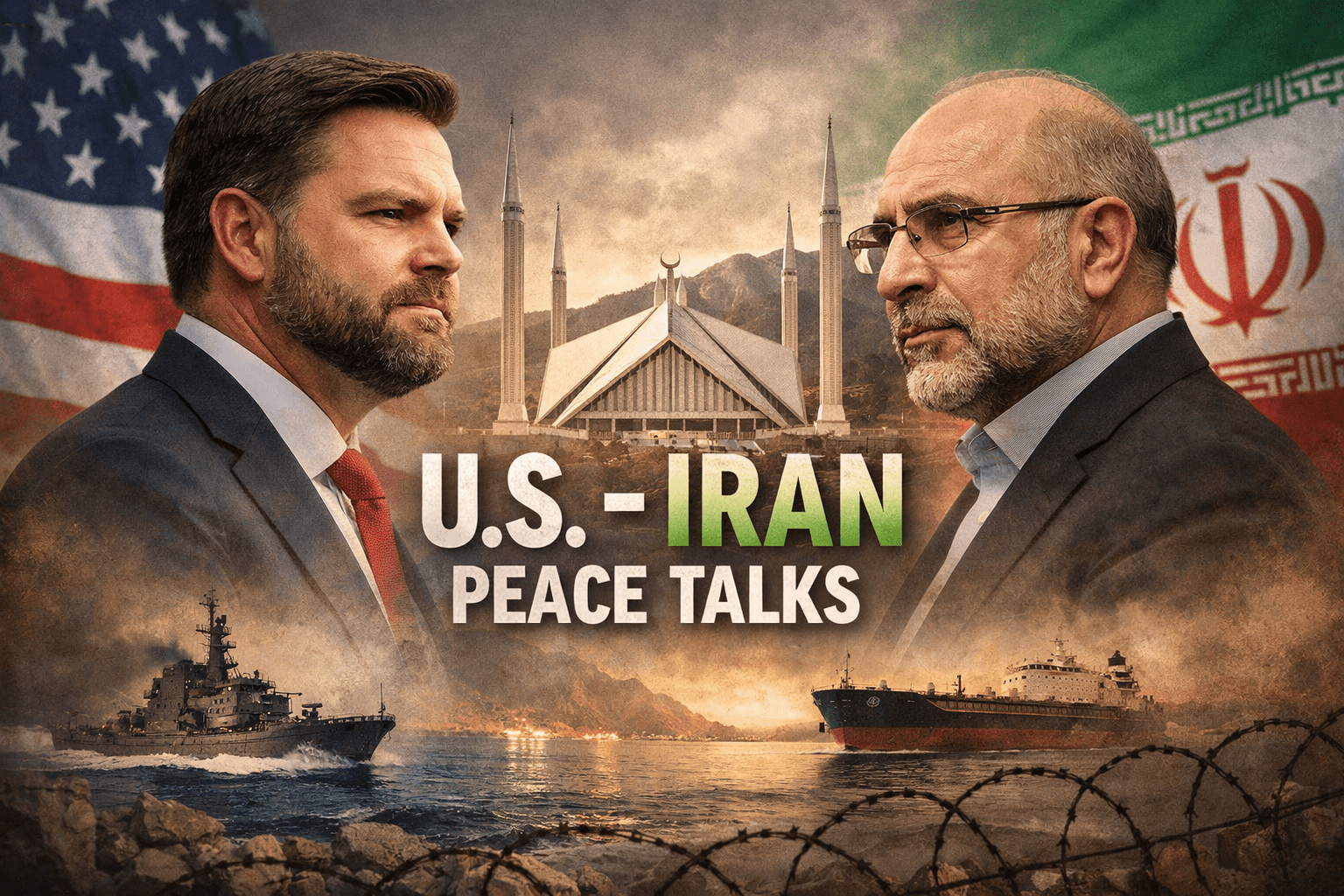
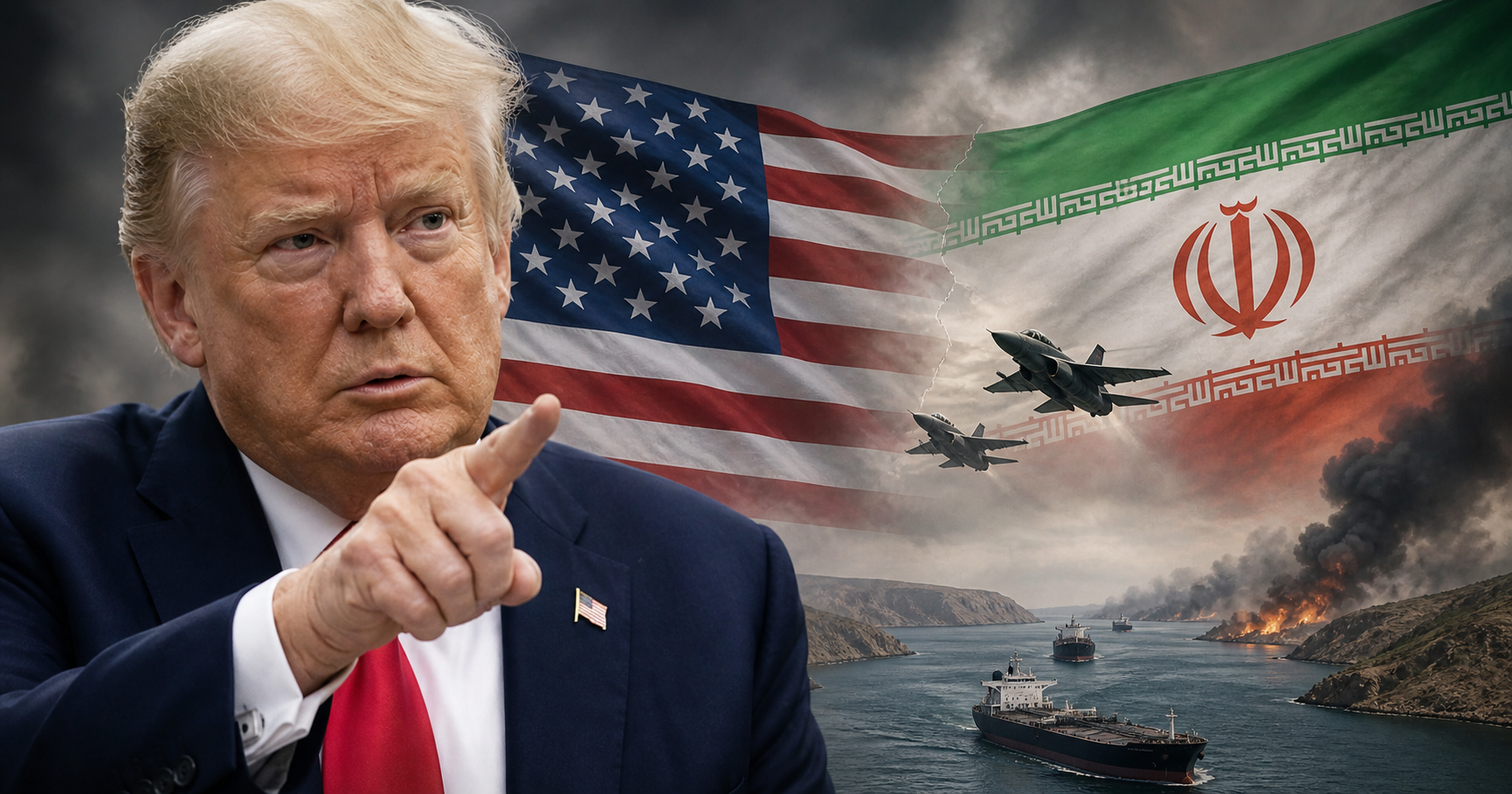
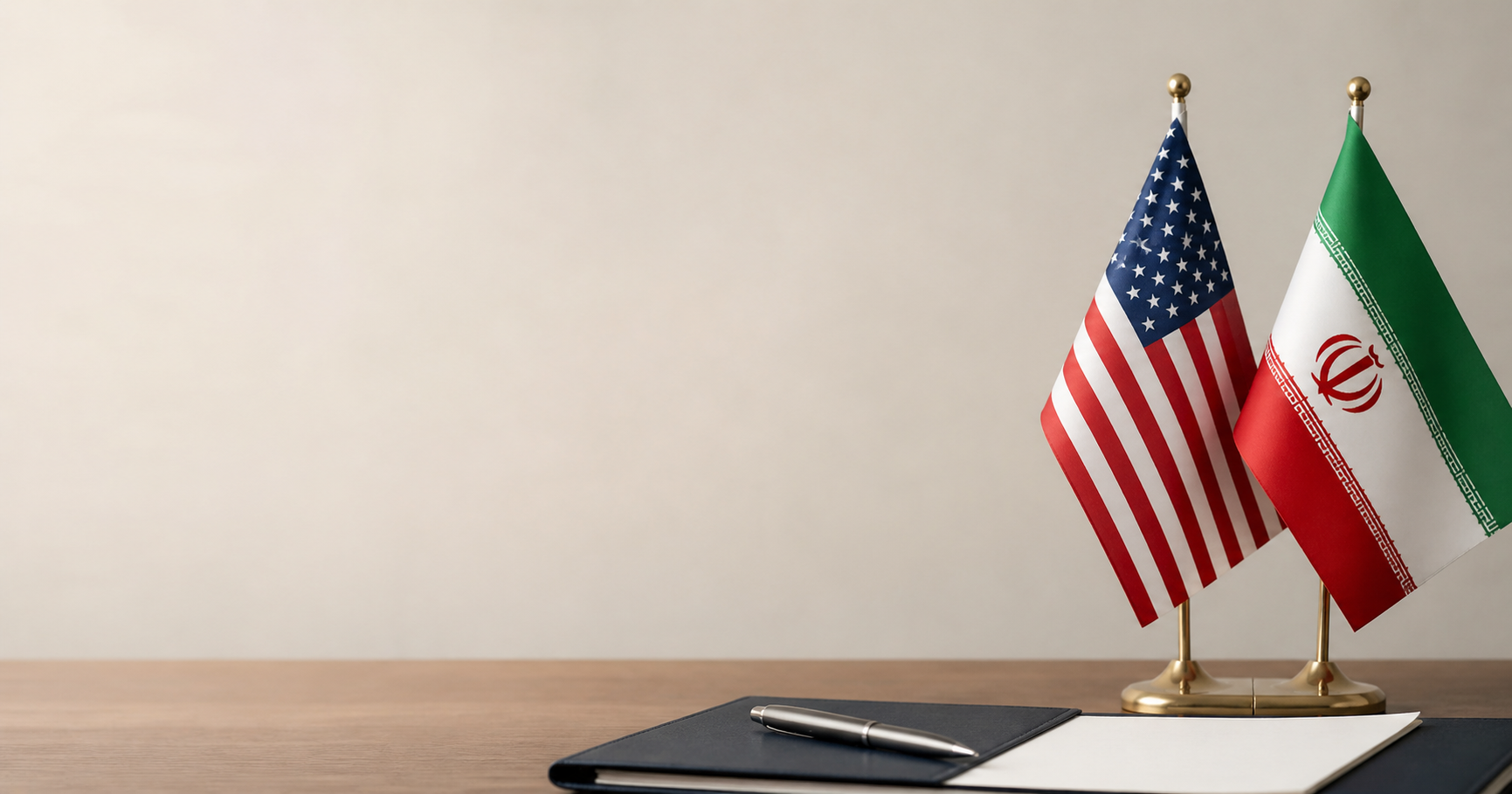

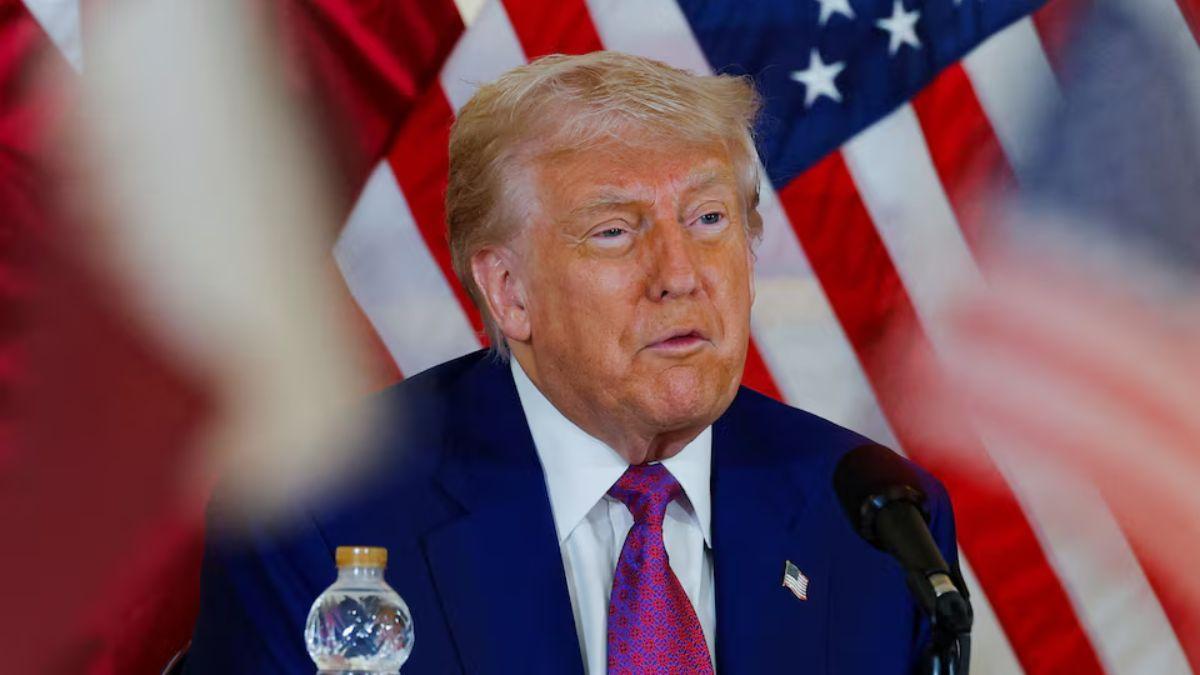
U.S. President Donald Trump has indicated that peace talks between the United States and Iran could resume within days, potentially in Islamabad, Pakistan. The development comes after recent negotiations failed to produce an agreement over Tehran’s nuclear program.
Trump stated that discussions may restart soon but expressed dissatisfaction with proposals made during the previous round of talks. The negotiations, led by Vice President JD Vance, centered on limiting Iran’s uranium enrichment capabilities.
Nuclear Standoff: The Core Dispute

At the heart of the conflict lies a major disagreement over uranium enrichment. The U.S. proposed a 20-year moratorium on Iran’s enrichment activities, while Iran countered with a much shorter suspension of three to five years.
Trump rejected the longer-term compromise, emphasizing that Iran must never possess nuclear weapons. He has maintained a hardline stance, insisting that Tehran should completely abandon any nuclear capabilities that could lead to weaponization.
Iran, however, argues that its nuclear program is peaceful and within its rights under international agreements. The issue remains a key obstacle in reaching any lasting deal.
Strategic Pressure and Global Implications
The U.S. has intensified pressure on Iran by enforcing restrictions on its oil exports, particularly through the Strait of Hormuz — a critical global energy route. This strategy aims to weaken Iran economically and push it toward concessions.
Experts warn, however, that such pressure could backfire. Some analysts believe increased tensions may accelerate Iran’s nuclear ambitions rather than contain them.
Iran’s leadership, shaped by decades of conflict and sanctions, is seen as highly resilient and unlikely to concede easily under external pressure.
Iran’s Nuclear Capability Raises Concerns
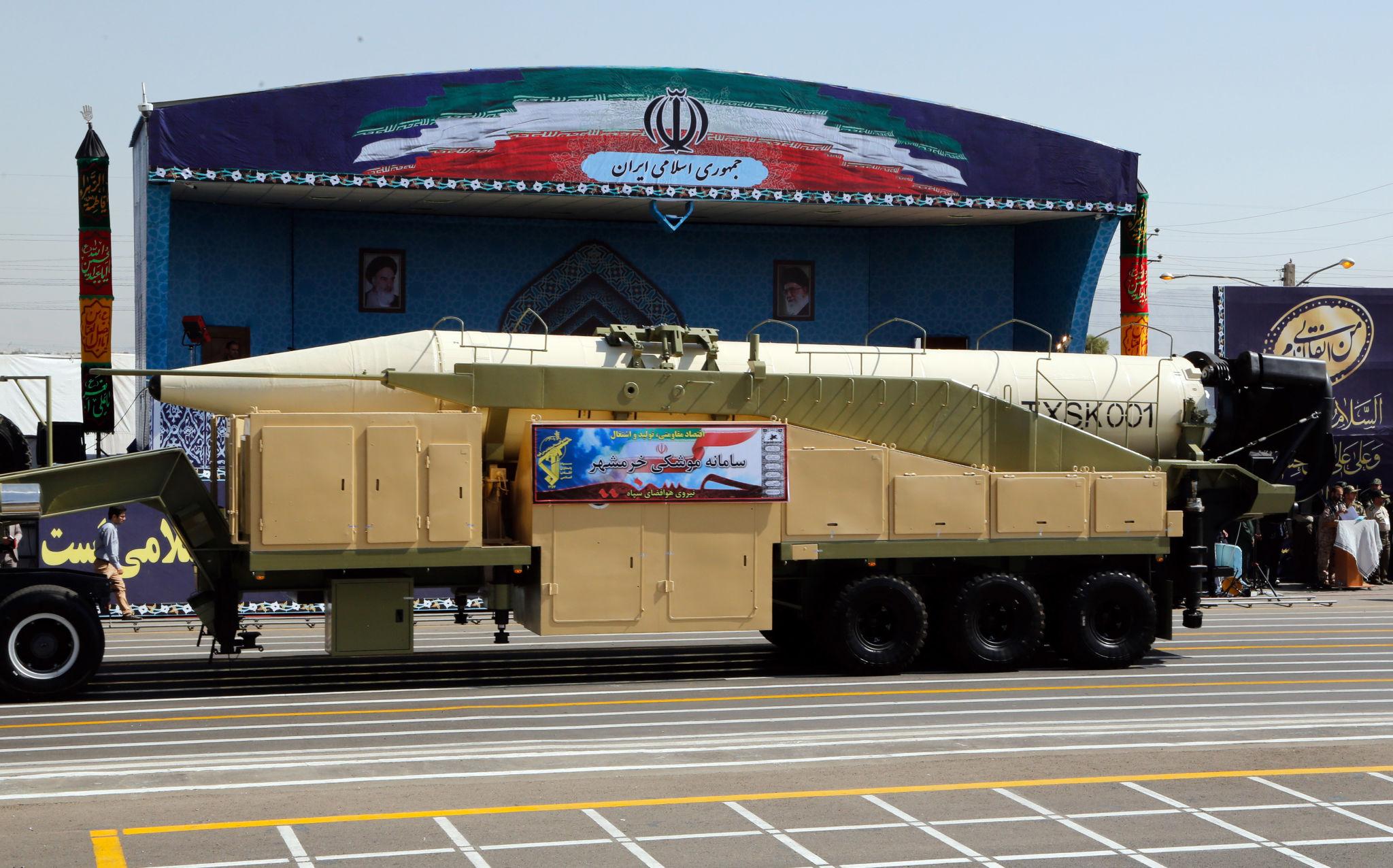
According to international observers, Iran has accumulated a significant stockpile of highly enriched uranium. Estimates suggest the country possesses material enriched up to 60%, which is close to weapons-grade levels.
While Iran maintains it has no intention of building nuclear weapons, experts warn that the existing stockpile could potentially be converted into a warhead within months — or even weeks under certain conditions.
This capability has heightened global concerns and added urgency to diplomatic efforts.
Echoes of the 2015 Nuclear Deal
The current negotiations mirror elements of the 2015 Joint Comprehensive Plan of Action (JCPOA), which placed limits on Iran’s nuclear activities. That agreement allowed limited enrichment under strict international monitoring.
However, after the U.S. withdrew from the deal in 2018, Iran gradually resumed and expanded its nuclear activities, leading to the current standoff.
Attempts to revive or replace the deal have faced repeated setbacks due to disagreements over terms and trust deficits between both sides.
What Lies Ahead?
With both sides holding firm on their positions, the path forward remains uncertain. While Trump has expressed confidence that Iran will eventually agree to U.S. demands, Tehran continues to resist abandoning its nuclear program entirely.
The possibility of renewed talks offers a glimmer of hope, but significant gaps remain. The coming days could prove crucial in determining whether diplomacy can succeed or tensions will escalate further.