



The International Monetary Fund (IMF) has warned that global economic growth could weaken significantly due to escalating geopolitical tensions, particularly the ongoing conflict in the Middle East.
In its latest report, the IMF revised its 2026 global growth forecast down to 3.1%, a drop from earlier estimates. However, even this projection depends on optimistic assumptions, including a short-lived conflict and stable oil prices.
Oil Prices and War Driving Economic Uncertainty
The war has disrupted global energy markets, pushing oil prices above $100 per barrel in recent weeks. The IMF warns that if prices remain at this level, global growth could fall further to 2.5%.
In a worst-case scenario—where supply disruptions persist—the global economy could slow to around 2% growth, dangerously close to a recession. Historically, growth has dropped below this level only a few times since 1980.
Strait of Hormuz Crisis Impacting Global Trade
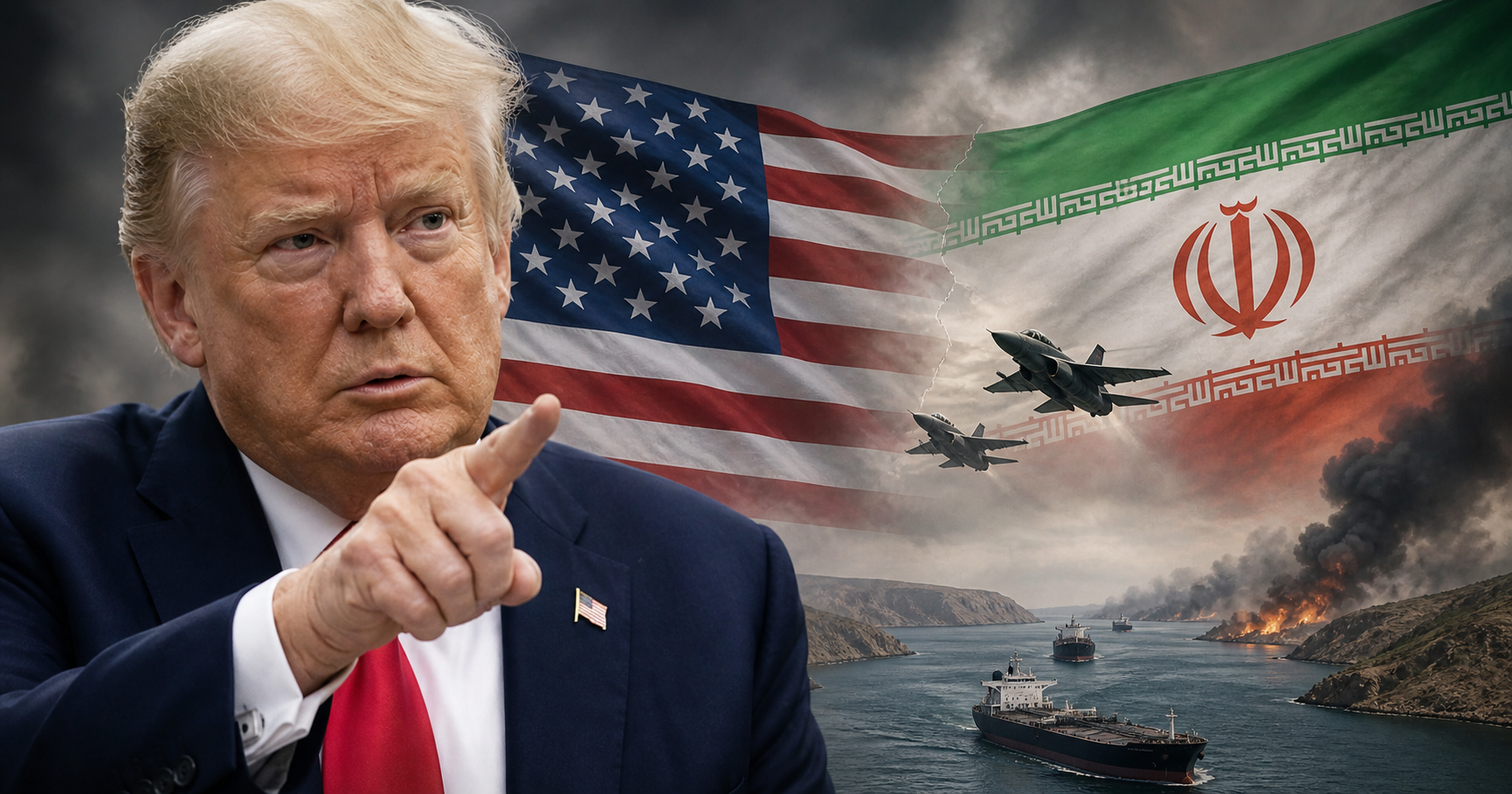
A key factor behind the economic instability is the disruption of the Strait of Hormuz, a critical route through which nearly one-fifth of the world’s oil supply passes.
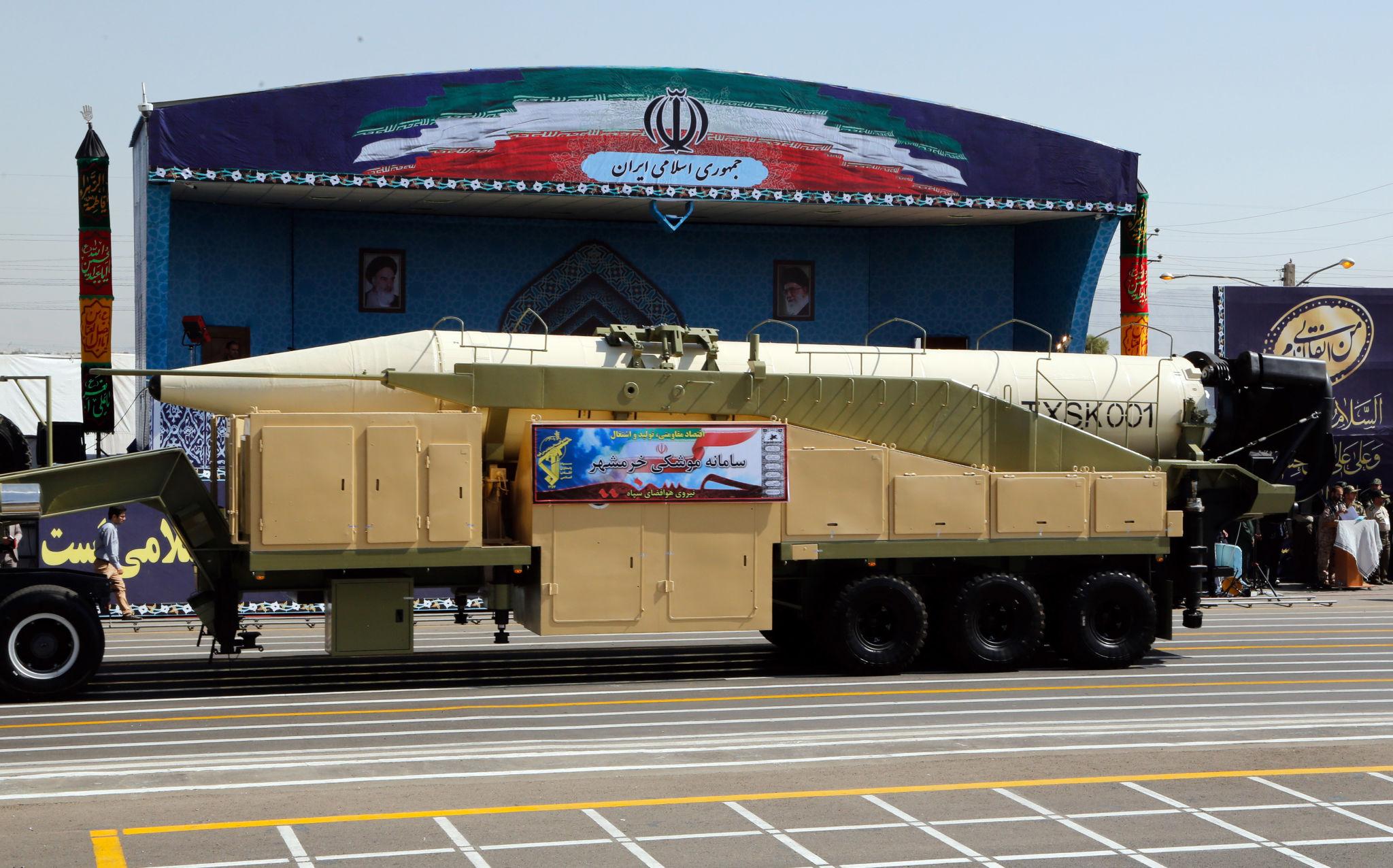
Following military actions by the U.S. and Israel, Iran has militarized the region, restricting shipping and driving up energy prices. This has disrupted supplies of essential commodities such as diesel, jet fuel, fertilizers, and industrial materials.
As a result, costs are rising globally, affecting everything from food prices to technology production.
Inflation and Market Volatility on the Rise
The IMF also warned that inflation is expected to increase across all scenarios. In the worst case, global inflation could exceed 6%, putting additional pressure on households and businesses.
Financial markets have already shown signs of instability, with investors reacting to oil shocks and geopolitical uncertainty. Tighter financial conditions could reduce demand, potentially leading to layoffs and slower hiring.
Impact on Major Economies
The economic slowdown is expected to affect regions differently:
- United States: Growth revised down to 2.3%, with rising fuel prices impacting consumers.
- Eurozone: Growth expected at 1.1%, still struggling with energy costs post-Ukraine war.
- China: Projected growth at 4.4%, supported by renewable energy adoption.
- India: Expected to remain strong at 6.5%, driven by domestic demand and investment.
Emerging markets are particularly vulnerable due to heavy reliance on energy imports and limited economic buffers.
Energy Crisis Hits Households and Industries

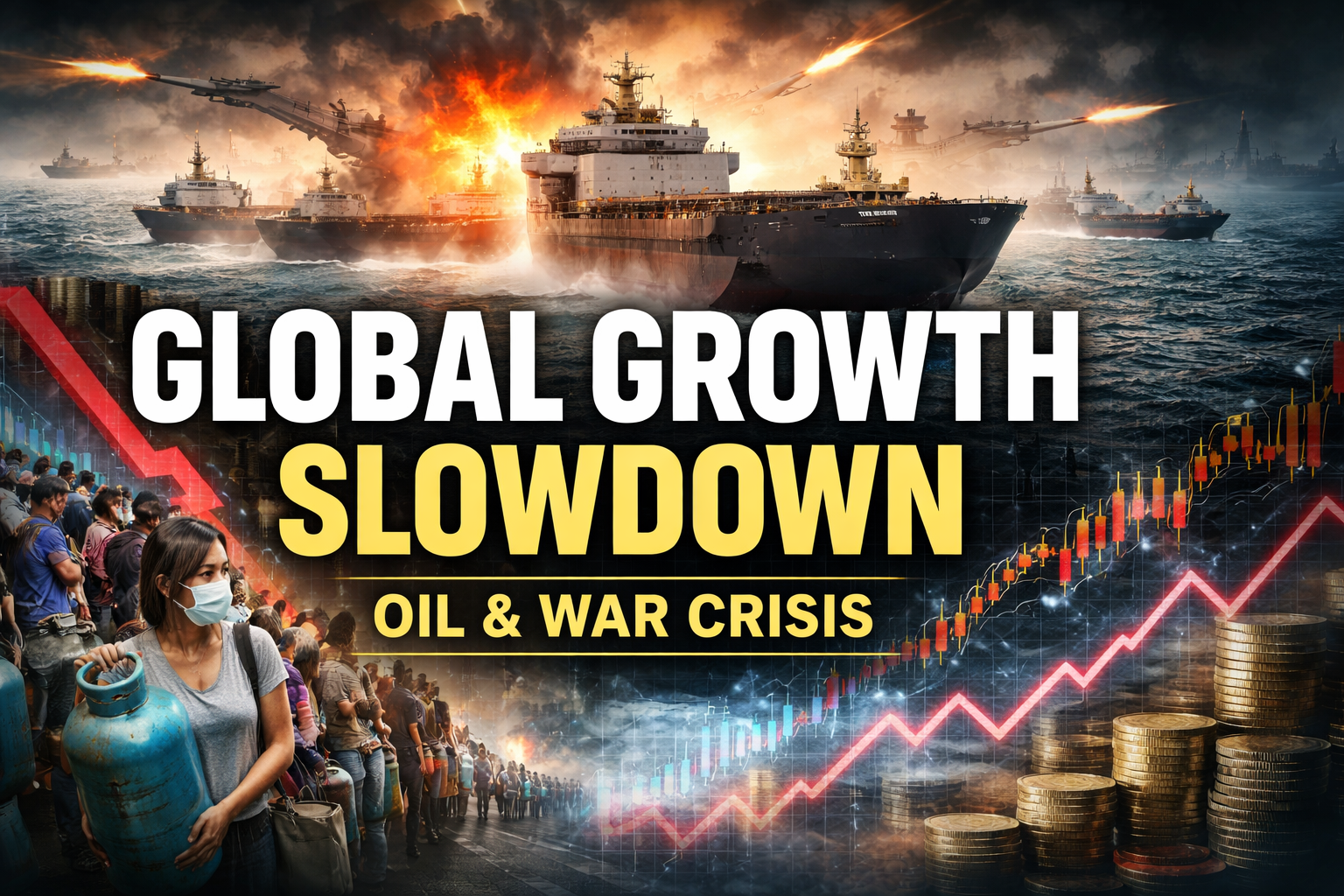
Across Asia and other regions, households are facing rising energy costs and shortages. In several countries, people are queuing for cooking gas while struggling with surging fuel prices.
Industries are also affected, as higher input costs ripple through supply chains, increasing prices for everyday goods.
What Lies Ahead for the Global Economy?
The IMF emphasized that prolonged conflict, trade tensions, and policy uncertainty could further destabilize the global economy.
While short-term measures like subsidies may offer relief, experts warn they can distort markets. Instead, targeted and temporary support is recommended.
Looking ahead, a faster transition to renewable energy could help countries reduce vulnerability to such shocks and build long-term economic resilience.