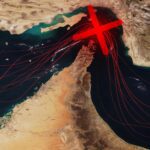



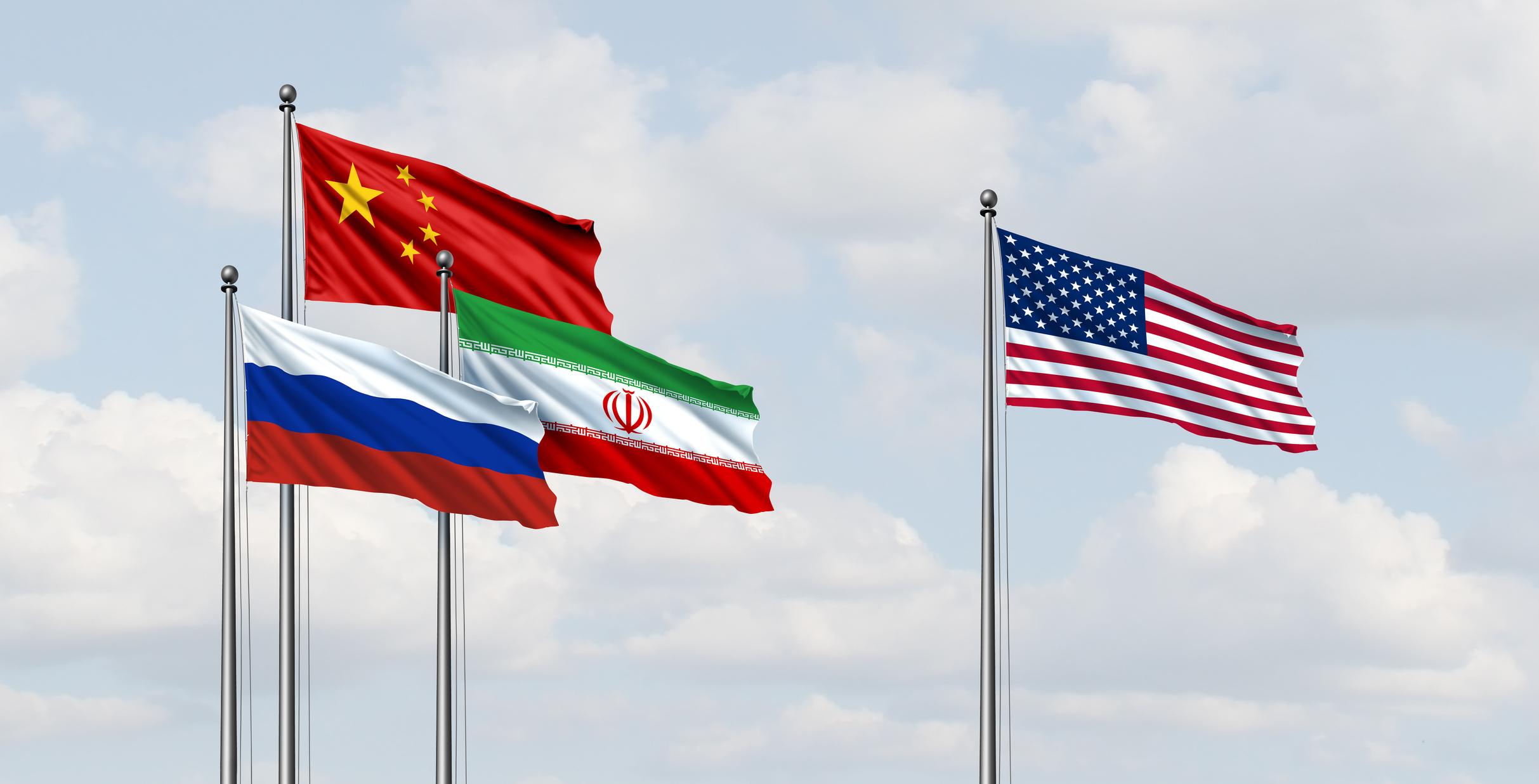
As tensions escalate in the Middle East following the U.S.-Israel military campaign against Iran, new intelligence reports suggest the conflict may be expanding beyond the region. According to U.S. officials, both China and Russia have shown signs of supporting Iran—raising concerns about a broader geopolitical confrontation involving major global powers.
Intelligence Signals a Dangerous Shift
Recent assessments from U.S. intelligence agencies indicate that the war is no longer confined to direct military exchanges between Iran and its adversaries. Instead, it is evolving into a more complex power struggle, with global players quietly aligning behind the scenes.
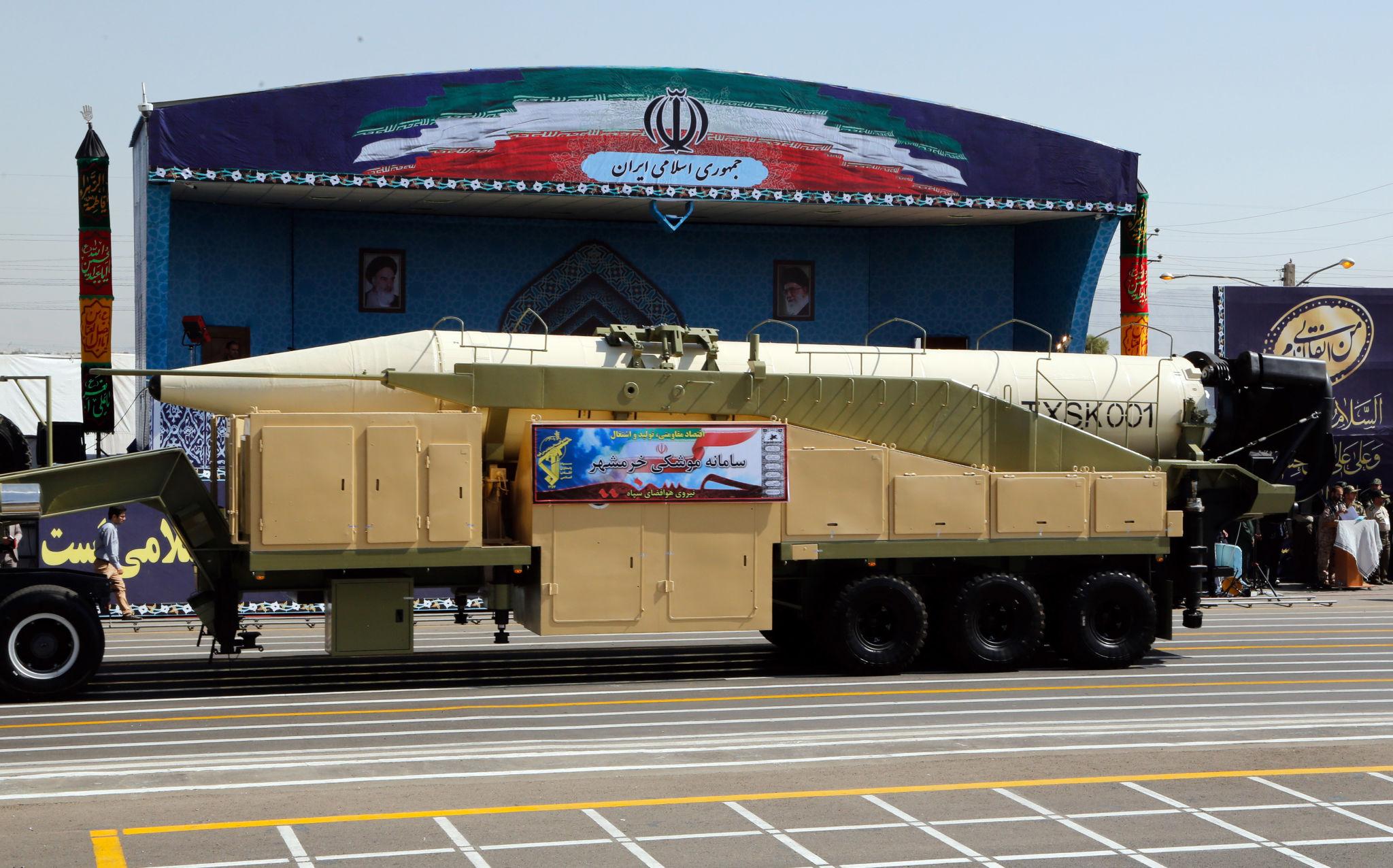
China, in particular, has reportedly considered supplying Iran with advanced X-band radar systems, which could significantly enhance Tehran’s ability to detect incoming threats such as drones and cruise missiles. These systems would strengthen Iran’s air defense capabilities, making it harder for U.S. and Israeli forces to conduct precision strikes.
At the same time, Russia is believed to have shared intelligence with Iran regarding U.S. military positions across the Middle East—further complicating the strategic landscape.
A Quiet Alliance Against U.S. Influence

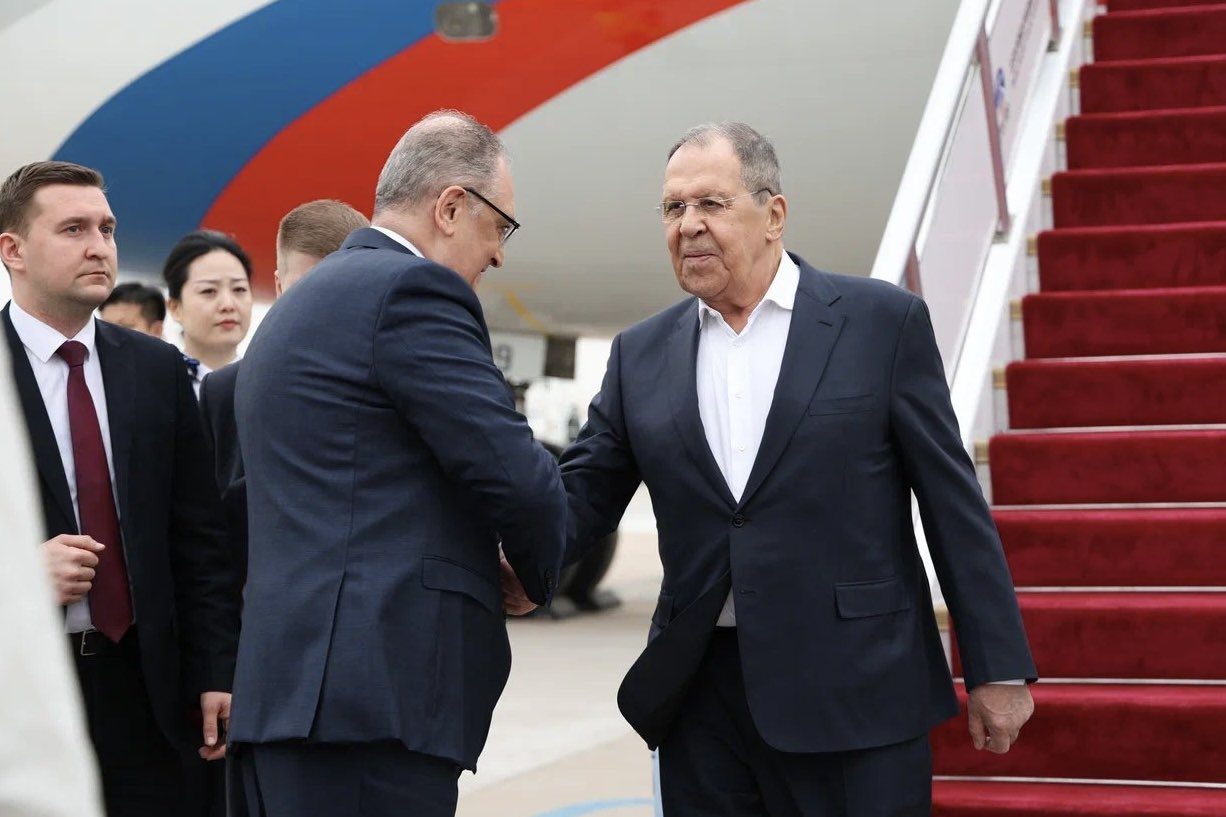
While there is no formal alliance between China, Russia, and Iran, analysts suggest an informal alignment is taking shape. This emerging cooperation appears driven by a shared objective: counterbalancing U.S. influence in the Middle East and beyond.
China’s involvement is particularly noteworthy. Beyond radar systems, U.S. intelligence has indicated that Beijing may also be considering transferring air defense technologies—including MANPADS (shoulder-fired missiles)—potentially through third-party countries to maintain plausible deniability.
Additionally, reports suggest Iran may have used a Chinese commercial spy satellite to monitor and target U.S. military bases in the region, highlighting the growing role of space-based intelligence in modern warfare.
The Role of Space and Technology
China’s rapid advancements in space technology are adding a new dimension to global security concerns. According to the 2026 Annual Threat Assessment, Beijing has surpassed Russia as the United States’ primary competitor in space capabilities.
This technological edge allows China to:
- Provide high-resolution satellite imagery
- Enhance surveillance and targeting systems
- Support allies without direct military involvement
Such capabilities make indirect involvement in conflicts more effective—and harder to detect or counter.
U.S. Response and Diplomatic Pressure
The United States has responded with caution but clear concern. Officials have raised alarms over the possibility of China supplying military equipment to Iran, calling such developments “significant” and potentially destabilizing.
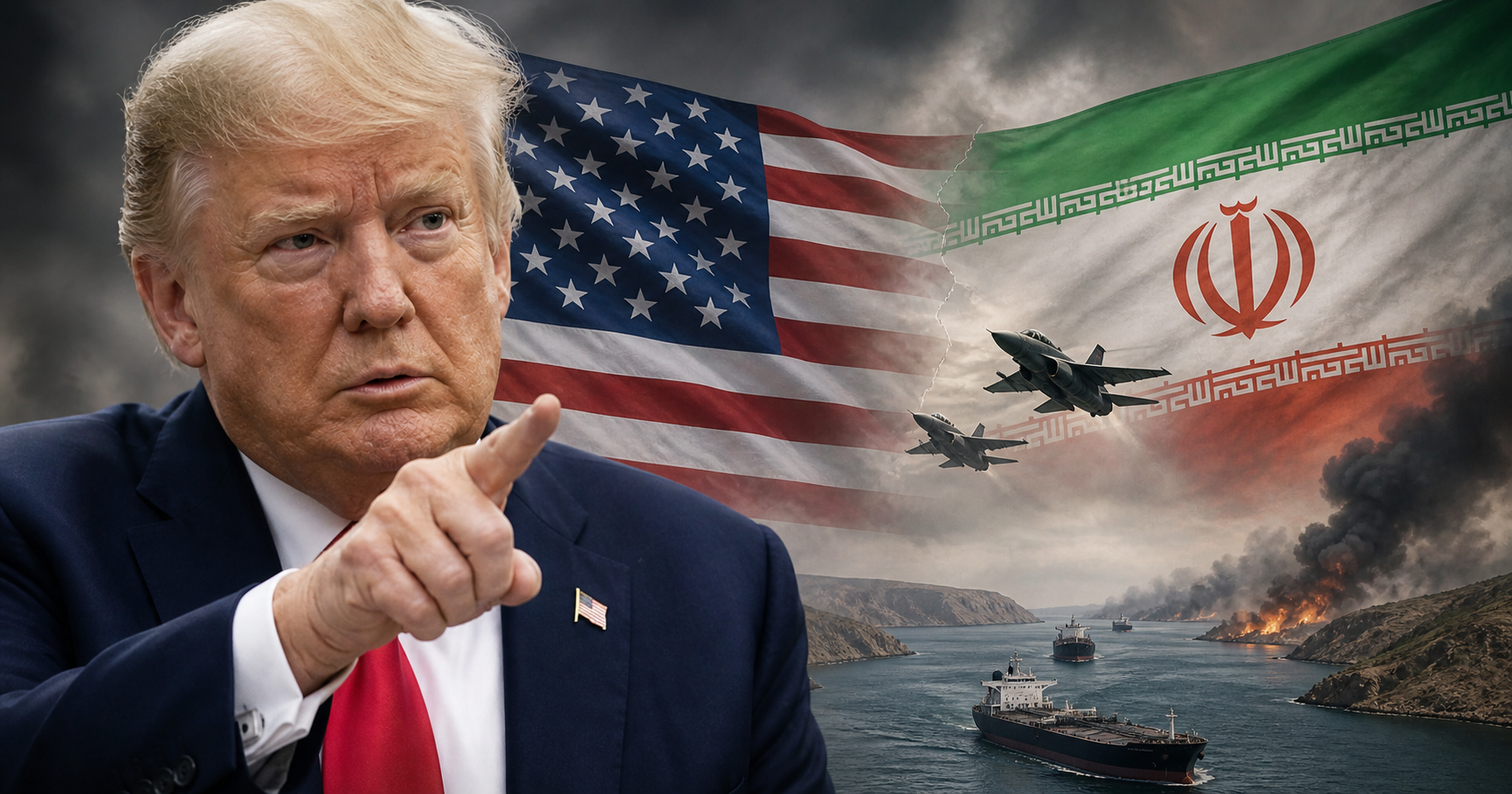
President Donald Trump has reportedly engaged directly with Chinese President Xi Jinping, urging Beijing not to provide weapons to Tehran. China, however, has denied any involvement in escalating the conflict, stating that its actions are aimed at promoting peace and maintaining neutrality.
Despite these assurances, skepticism remains in Washington. U.S. lawmakers argue that China’s state-controlled system makes it difficult to separate private sector activity from government strategy.
Risk of a Broader Global Conflict
The involvement of multiple global powers—even indirectly—raises the stakes dramatically. What began as a regional conflict now carries the risk of evolving into a wider geopolitical crisis.
Key concerns include:
- Expansion of military support networks
- Increased use of advanced technology and intelligence sharing
- Greater involvement of global superpowers without direct confrontation
This “grey zone” warfare—where nations support allies without openly engaging—makes the situation more unpredictable and harder to resolve diplomatically.
What Happens Next?
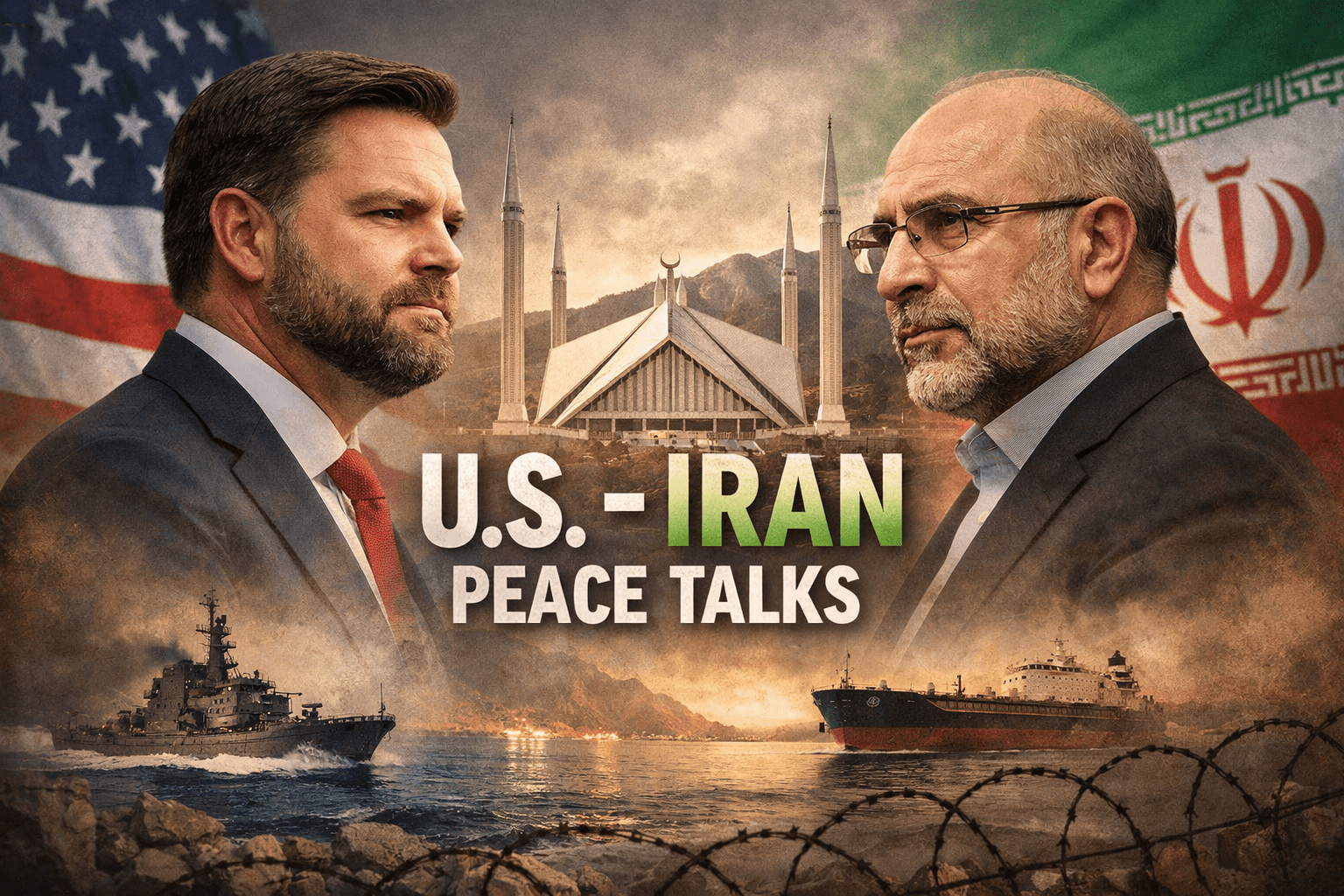
The coming weeks will be critical. With ongoing diplomatic efforts, including potential high-level talks between the U.S., Iran, and mediators, there is still hope for de-escalation.
However, the growing involvement of China and Russia suggests that the conflict is no longer just about Iran—it is becoming part of a larger struggle over global power and influence.
Final Thoughts
The possibility of China and Russia backing Iran marks a significant turning point in the conflict. While direct confrontation between global powers remains unlikely for now, their indirect involvement is reshaping the battlefield—and the future of international relations.
As the world watches closely, one thing is clear: this is no longer just a regional war. It is a test of global balance, strategy, and the limits of modern diplomacy.