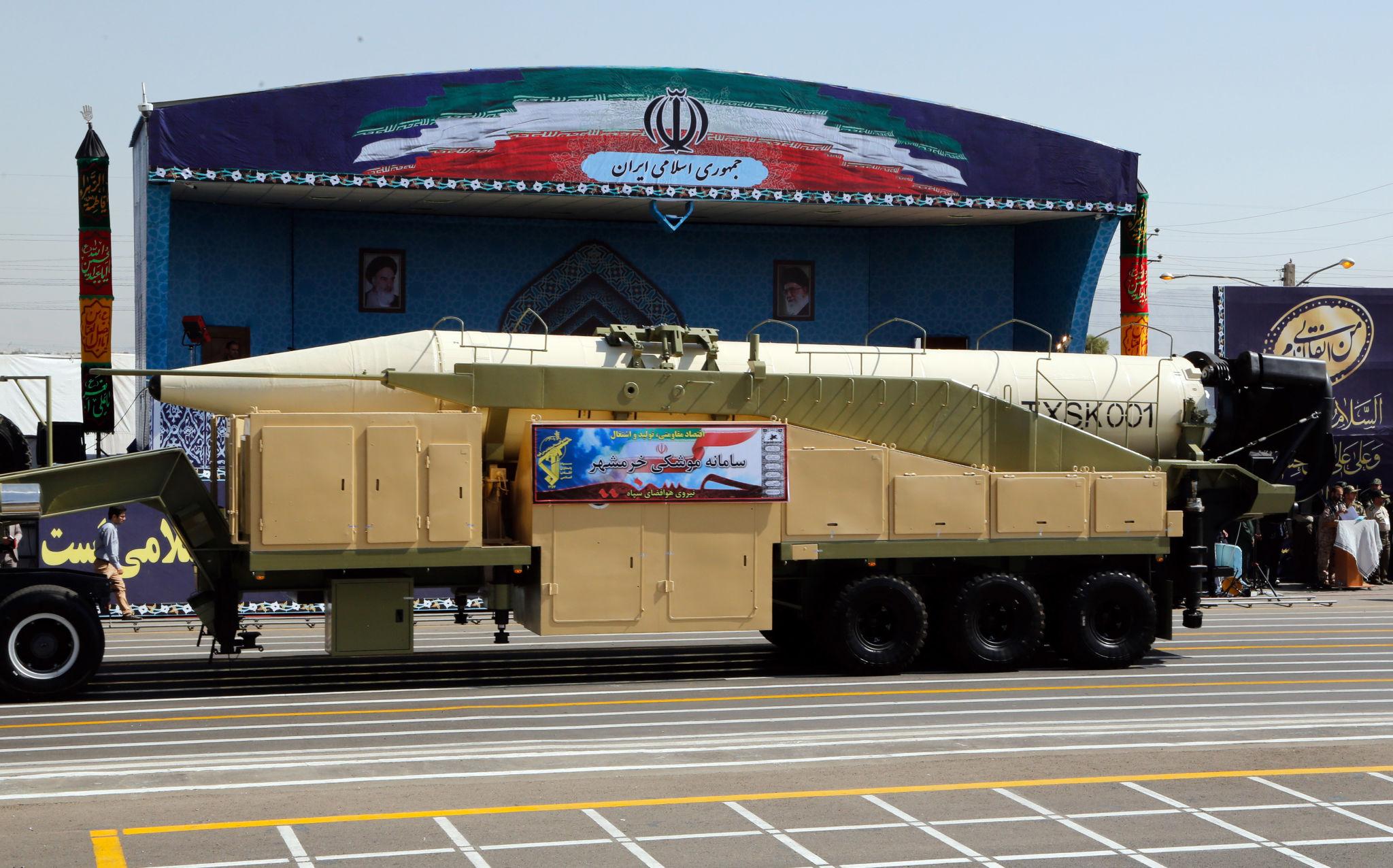
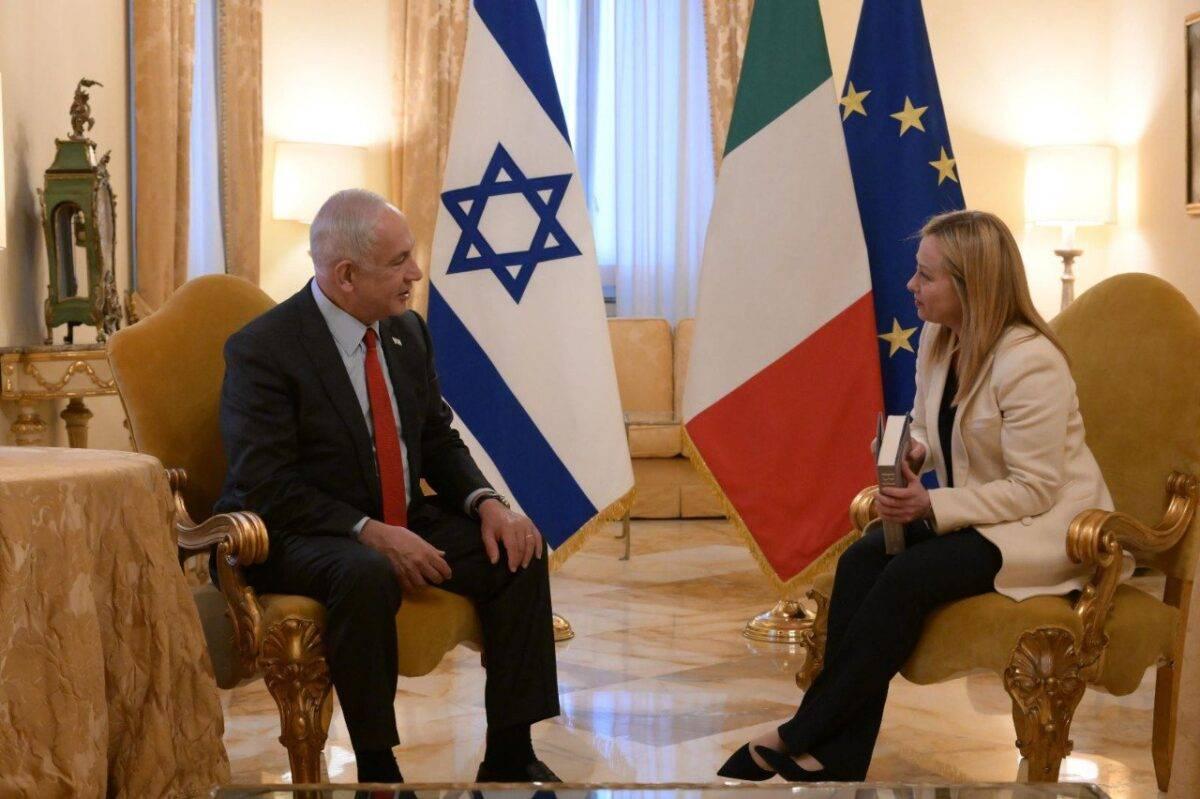
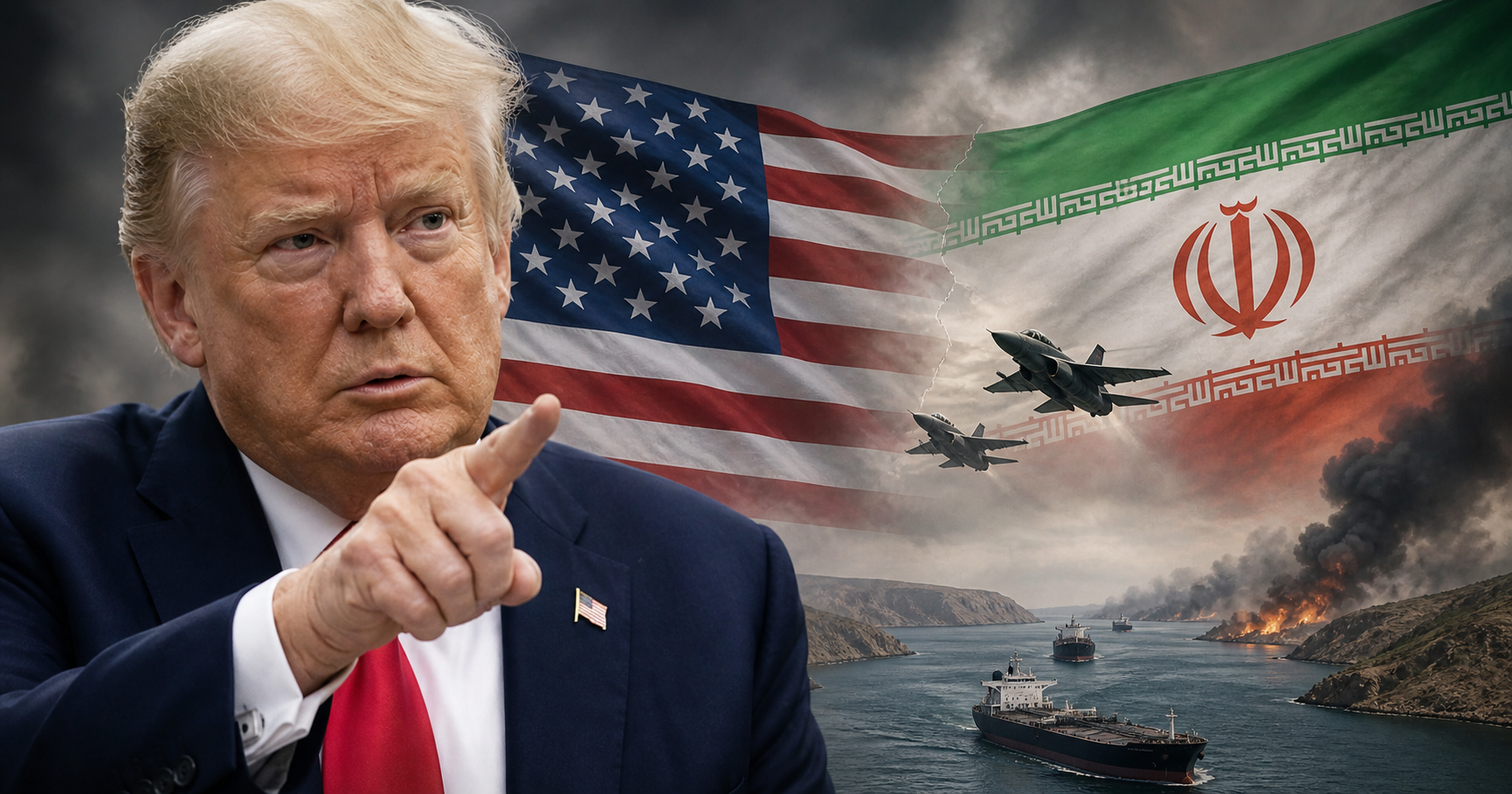
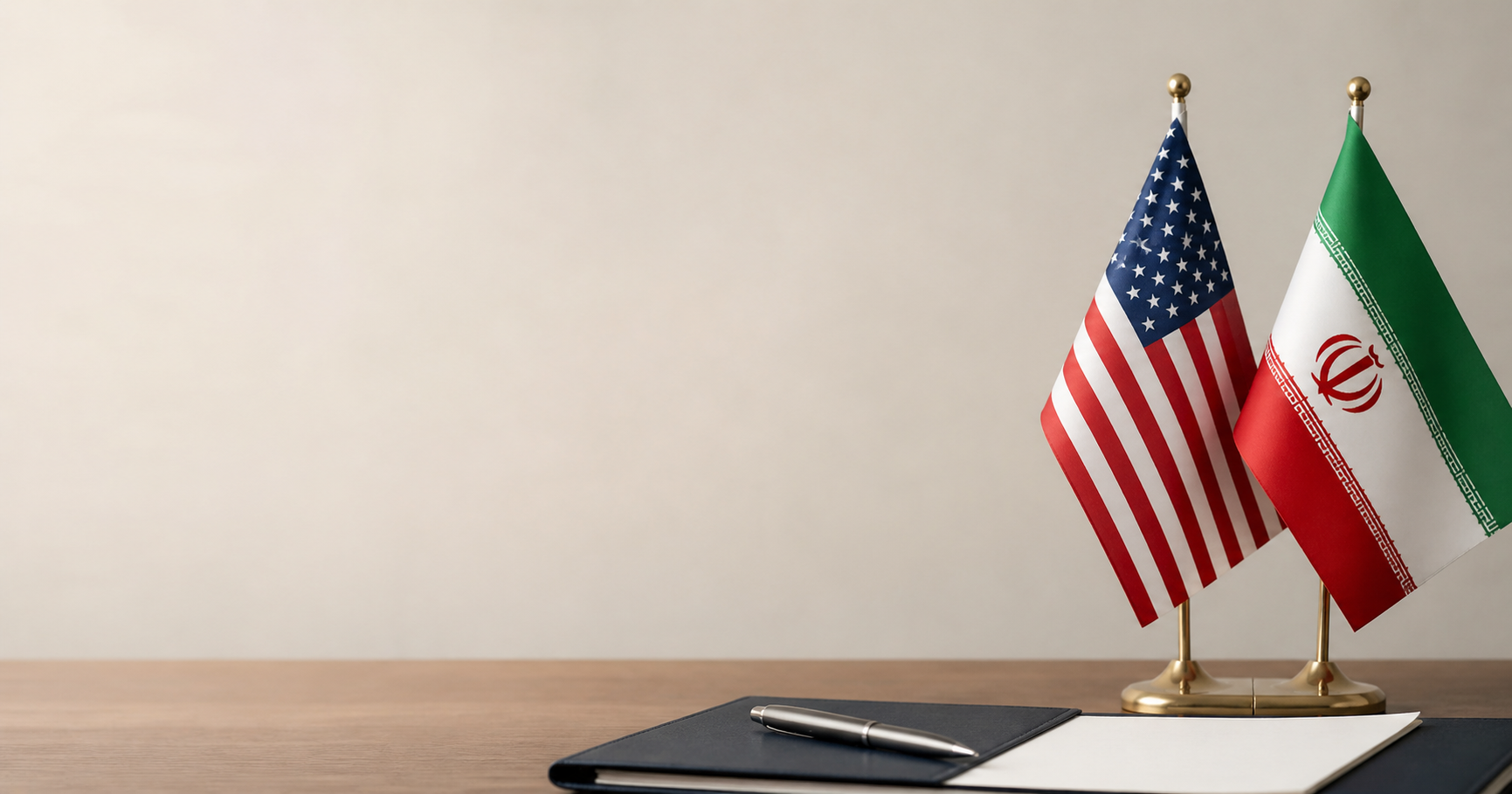

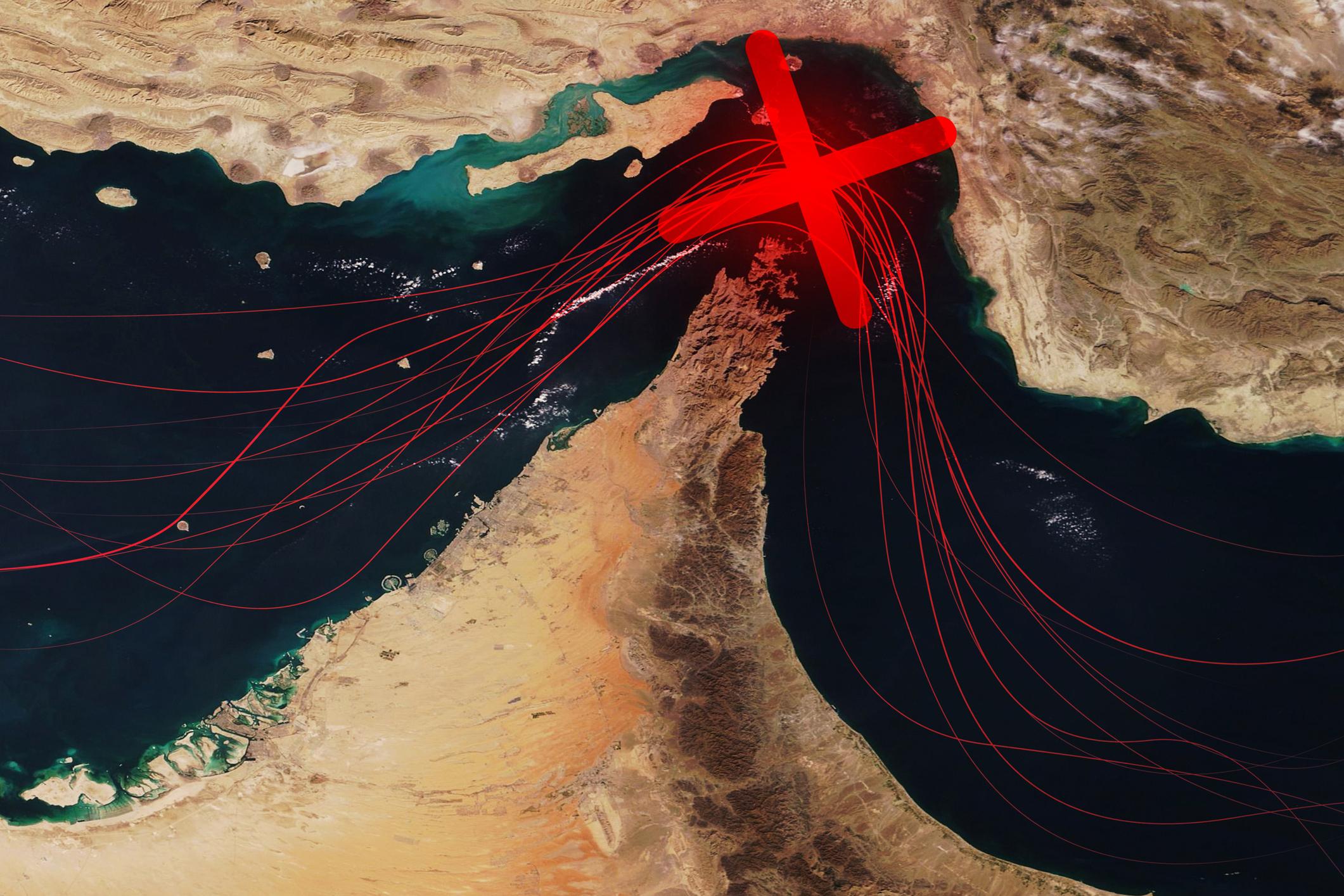
A major geopolitical shift is unfolding as Iran signals the reopening of the Strait of Hormuz following a U.S.-brokered ceasefire in Lebanon. The development has sparked optimism across global markets, but lingering tensions and unresolved negotiations continue to cast uncertainty over the region’s stability.
A Critical Waterway Reopens
Iranian Foreign Minister Abbas Araqchi announced that the Strait of Hormuz—one of the world’s most vital energy corridors—has been reopened for commercial shipping. This comes after a temporary ceasefire agreement between Israel and Lebanon aimed at halting hostilities involving Iran-backed Hezbollah.
The strait is a crucial artery for global energy supply, handling nearly 20% of the world’s oil and liquefied natural gas shipments. Its closure during the recent conflict raised fears of a historic oil shock. Now, its reopening offers a temporary sigh of relief for global economies.
However, the situation is far from stable. While Iran claims the waterway is open, the United States has indicated that restrictions—such as a blockade on ships heading to Iranian ports—will remain until a comprehensive agreement is finalized.
Conflicting Signals from Washington and Tehran
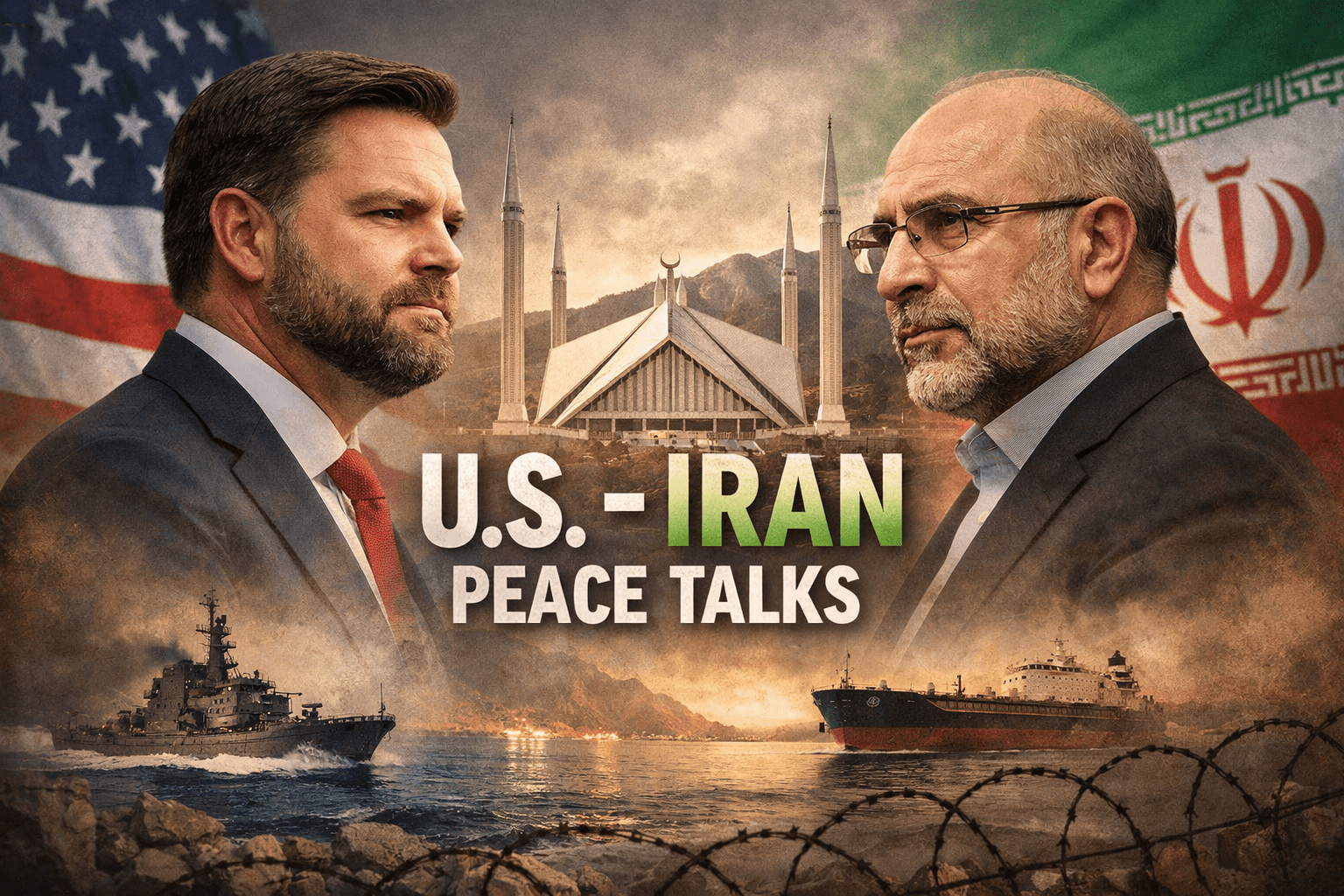
U.S. President Donald Trump expressed optimism, suggesting that a deal to end the Iran conflict could be reached soon. Talks are reportedly being planned, possibly in Islamabad, with Pakistan acting as a mediator.
Yet behind this optimism lies a stark reality:
- No final agreement has been reached on Iran’s nuclear program
- Major differences remain on sanctions relief and uranium enrichment
- Iran has warned of “reciprocal measures” if U.S. restrictions continue
Negotiations have revealed a wide gap in expectations. The U.S. has proposed a 20-year suspension of Iran’s nuclear activities, while Iran is willing to consider only a 3–5 year pause.
Markets React: Oil Falls, Stocks Rise

Financial markets responded immediately to the news:
- Oil prices dropped by around 10%, easing fears of supply disruption
- Global stock markets surged, reflecting renewed investor confidence
Despite this, shipping companies remain cautious. Concerns about naval mines and unclear safety guarantees are preventing a full-scale return of maritime traffic. The U.S. Navy has also warned that risks in the region are not yet fully understood.
Ceasefire Holds—But Just Barely
On the ground, the ceasefire between Israel and Lebanon appears fragile. While large-scale fighting has subsided, reports of violations—including drone strikes—highlight how easily tensions could reignite.
The broader conflict, which escalated earlier this year, has already caused:
- Thousands of casualties
- Massive displacement in Lebanon
- Severe disruptions to global energy supply
The ceasefire is currently set for 10 days, with hopes that it may be extended to allow further diplomatic negotiations.
Diplomacy in Motion
Behind closed doors, there are signs of progress. Sources indicate that:
- A preliminary agreement could be reached soon
- A memorandum of understanding may be signed first
- A comprehensive deal could follow within 60 days
There is also discussion around unfreezing billions of dollars in Iranian assets and partially relocating enriched uranium stockpiles as part of a compromise.
Still, internal resistance within Iran remains strong, with senior clerics publicly rejecting unfavorable negotiation terms.
What Comes Next?
The reopening of the Strait of Hormuz is a significant step—but not a solution. The situation remains delicate, with several possible scenarios ahead:
- Best Case: A diplomatic breakthrough leads to a long-term deal, stabilizing oil markets
- Middle Ground: Temporary agreements prolong peace but fail to resolve core issues
- Worst Case: Ceasefire collapses, triggering renewed conflict and another global energy shock
Final Thoughts
The world is watching closely as diplomacy, economics, and military strategy intersect in one of the most volatile regions on Earth. While the reopening of the Strait of Hormuz brings cautious optimism, the path to lasting peace remains uncertain.
For now, global markets may celebrate—but policymakers know the real test is yet to come.