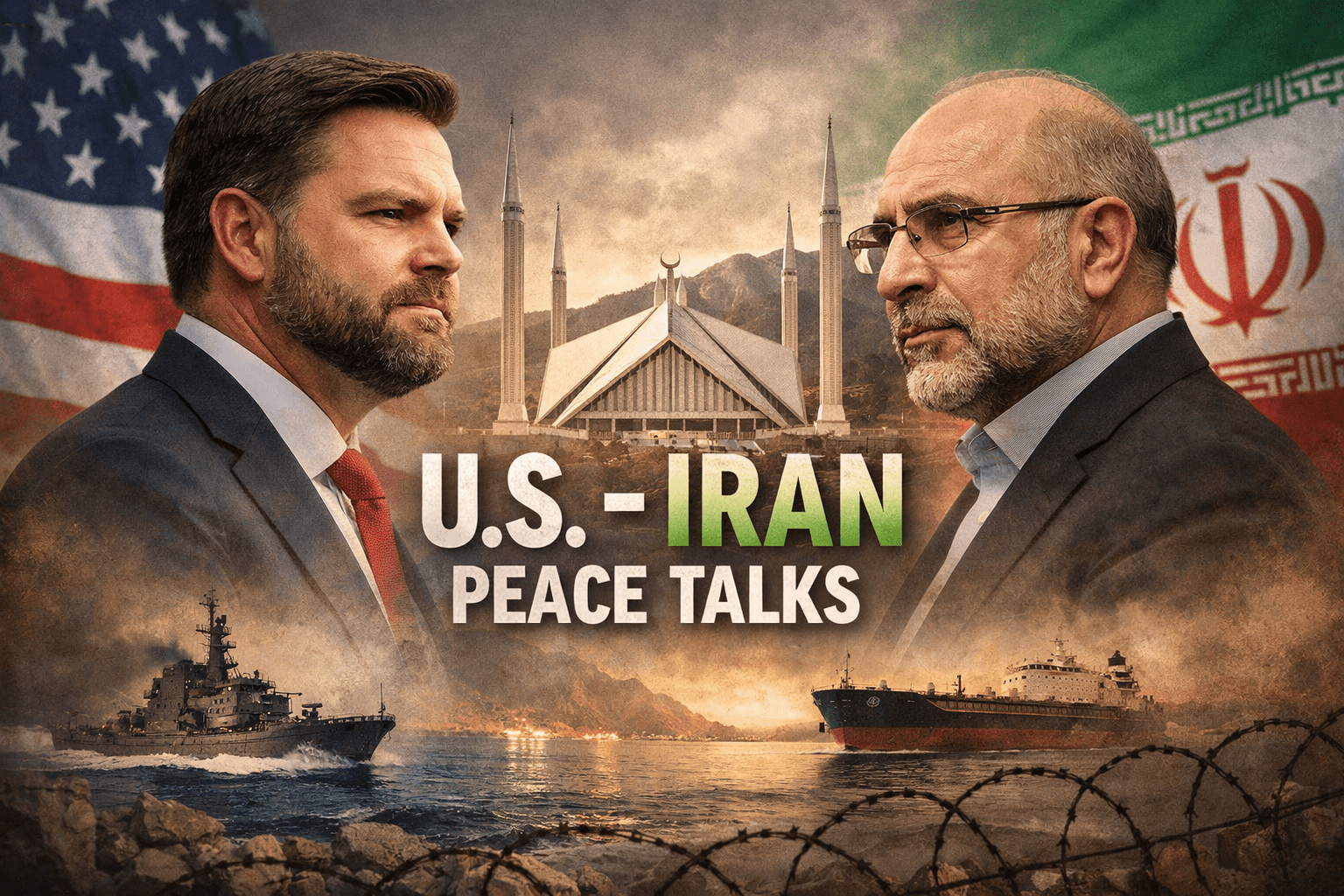

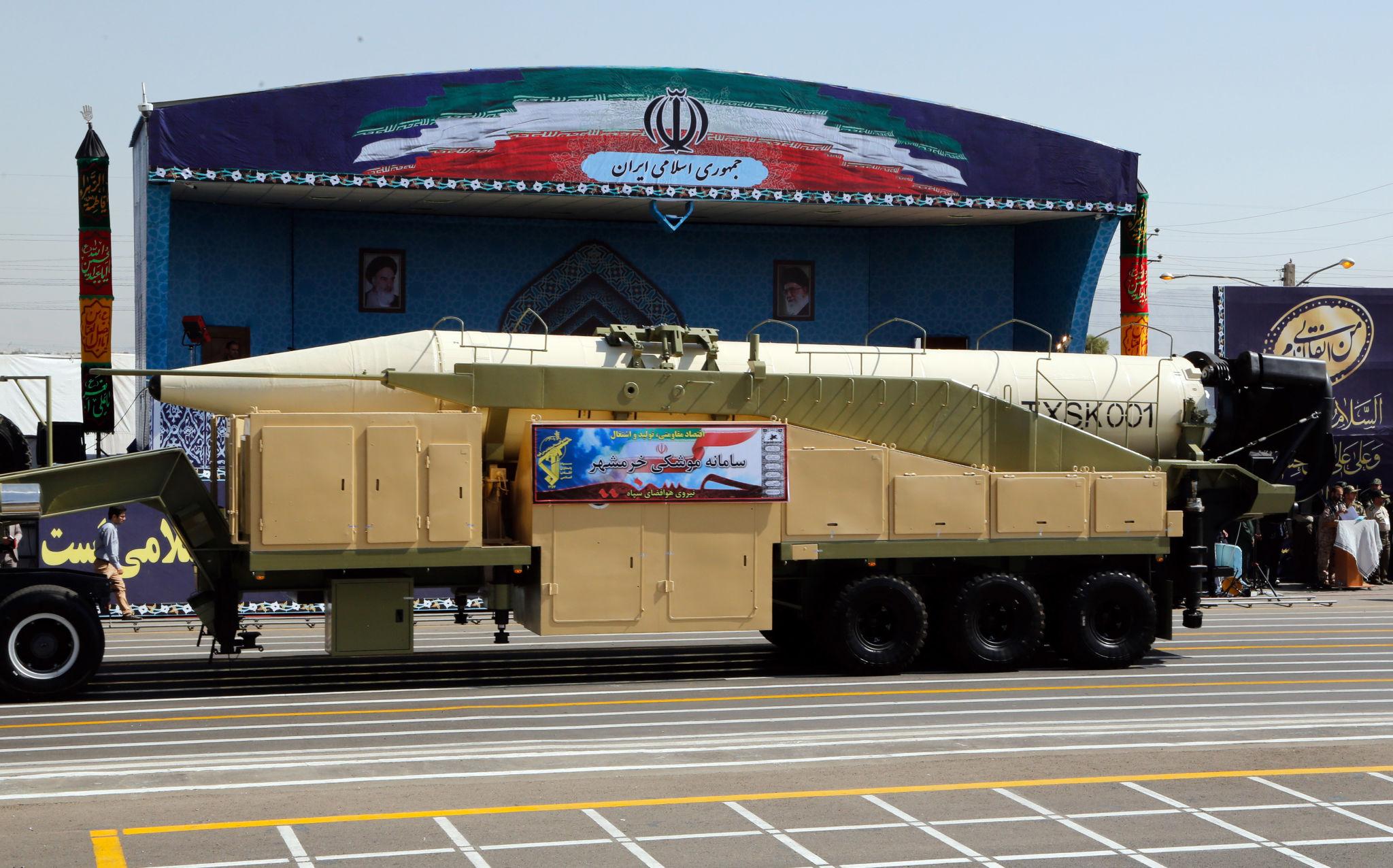
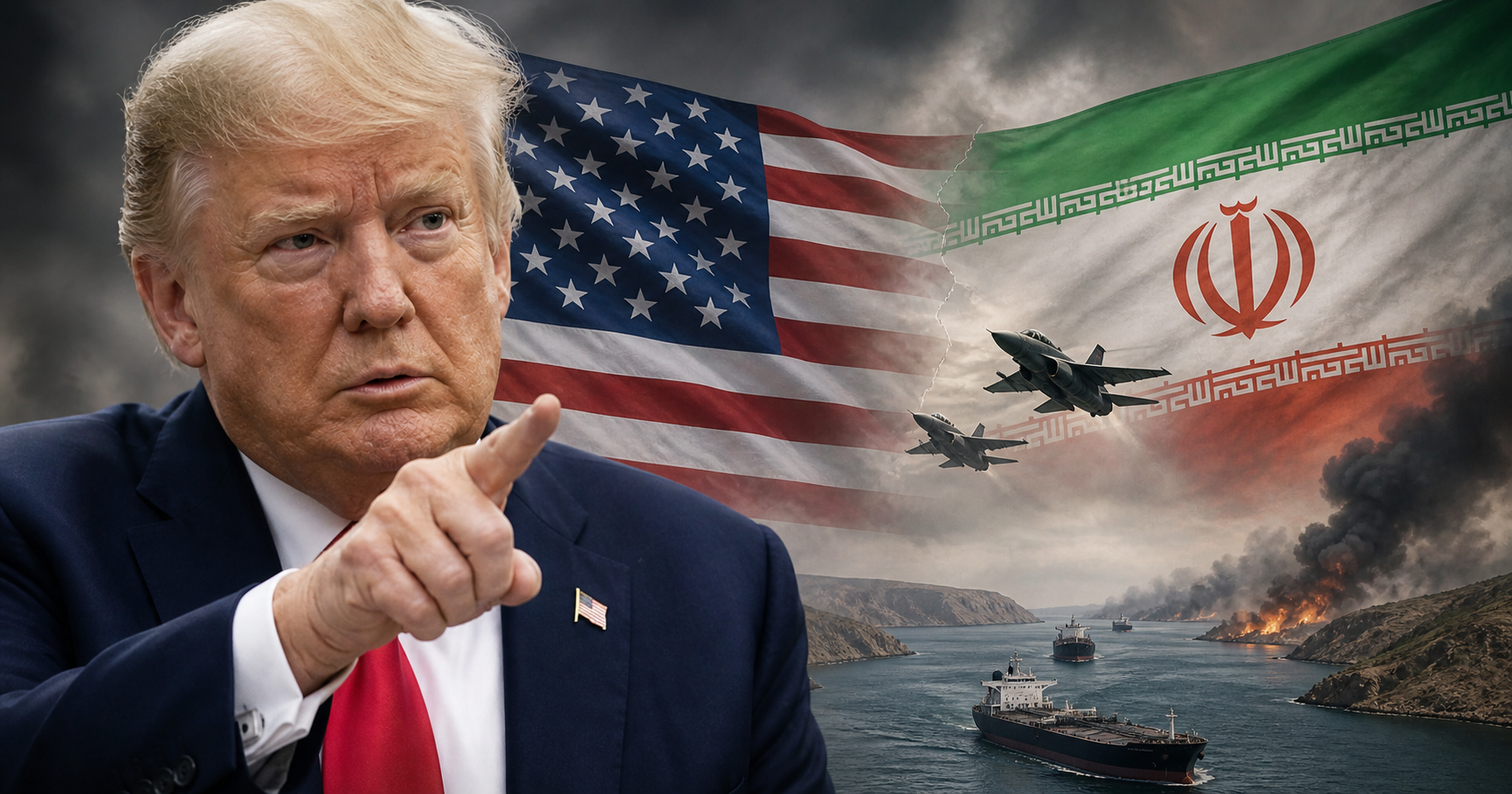




U.S. President Donald Trump said he is reviewing a fresh proposal from Iran aimed at ending the ongoing conflict, but indicated he is skeptical about whether the offer will meet U.S. expectations.
Speaking on Saturday, Trump revealed that his administration had received the framework of the deal and is awaiting its complete details. Despite this, he expressed doubt that the proposal would be sufficient.
“I will soon review the plan Iran has sent, but it’s hard to imagine it being acceptable,” Trump said, adding that he believes Iran has not yet faced adequate consequences for its actions over the past several decades.
Deal Details Still Under Review
Earlier, while addressing reporters before boarding Air Force One, Trump said he would make a decision after examining the full wording of the proposal.
“They’ve explained the concept, but now I want to see the exact terms,” he noted.
According to initial reports, Iran’s proposal includes:
- Reopening shipping routes in the Strait of Hormuz
- Ending the ongoing U.S. blockade
- Delaying negotiations related to its nuclear program
Rising Tensions and Military Options
The situation comes amid heightened tensions in the region. The U.S. has maintained a strict blockade of the Strait of Hormuz since April, while Iran has restricted most maritime traffic for over two months.
Trump acknowledged that he is weighing two primary options:
- Escalating military action
- Pursuing a diplomatic agreement
“We could take strong military action and finish this, or we can try to make a deal,” Trump said, adding that he would prefer a diplomatic solution.
Strong U.S. Military Presence
The United States has deployed significant military resources to enforce its position, including:
- Two carrier strike groups
- Over 100 fighter and surveillance aircraft
- More than a dozen naval ships
Last month, a U.S. Navy destroyer intercepted an Iranian cargo vessel attempting to bypass the blockade.
Trump described the U.S. blockade as “controlled and effective,” claiming that it has faced little direct challenge.
Pressure From Congress
Meanwhile, pressure is mounting in Washington for congressional oversight of the conflict. Under the War Powers Resolution, the president must seek approval from Congress if military operations extend beyond 60 days.
That threshold has now been crossed, but the Senate recently voted against a resolution that would have forced a halt to military action without congressional authorization. The measure failed narrowly, reflecting ongoing political divisions.
What’s Next?
With tensions still high and negotiations uncertain, Trump is expected to announce his decision on Iran’s proposal soon. The outcome could determine whether the conflict moves toward diplomacy or further escalation.