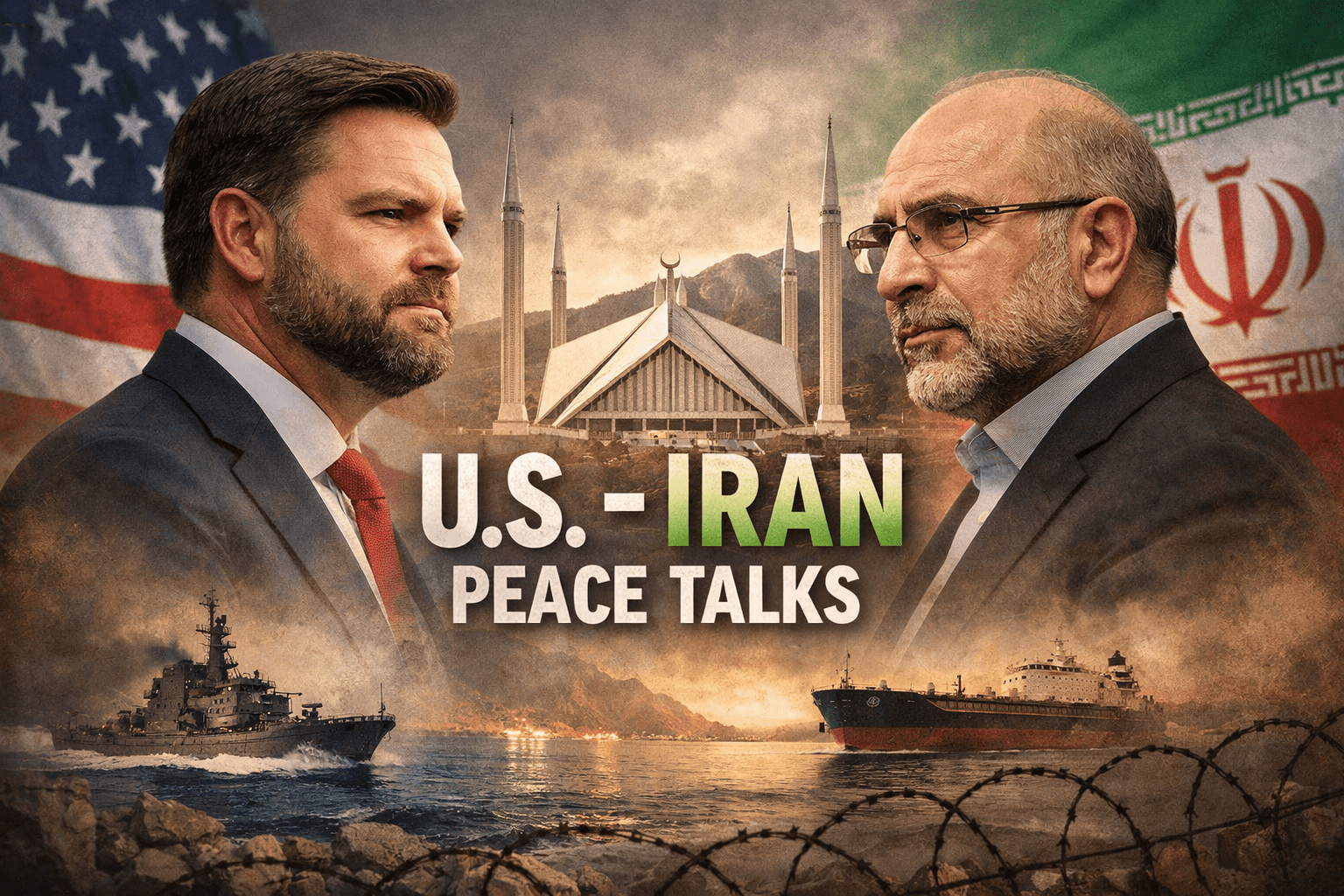
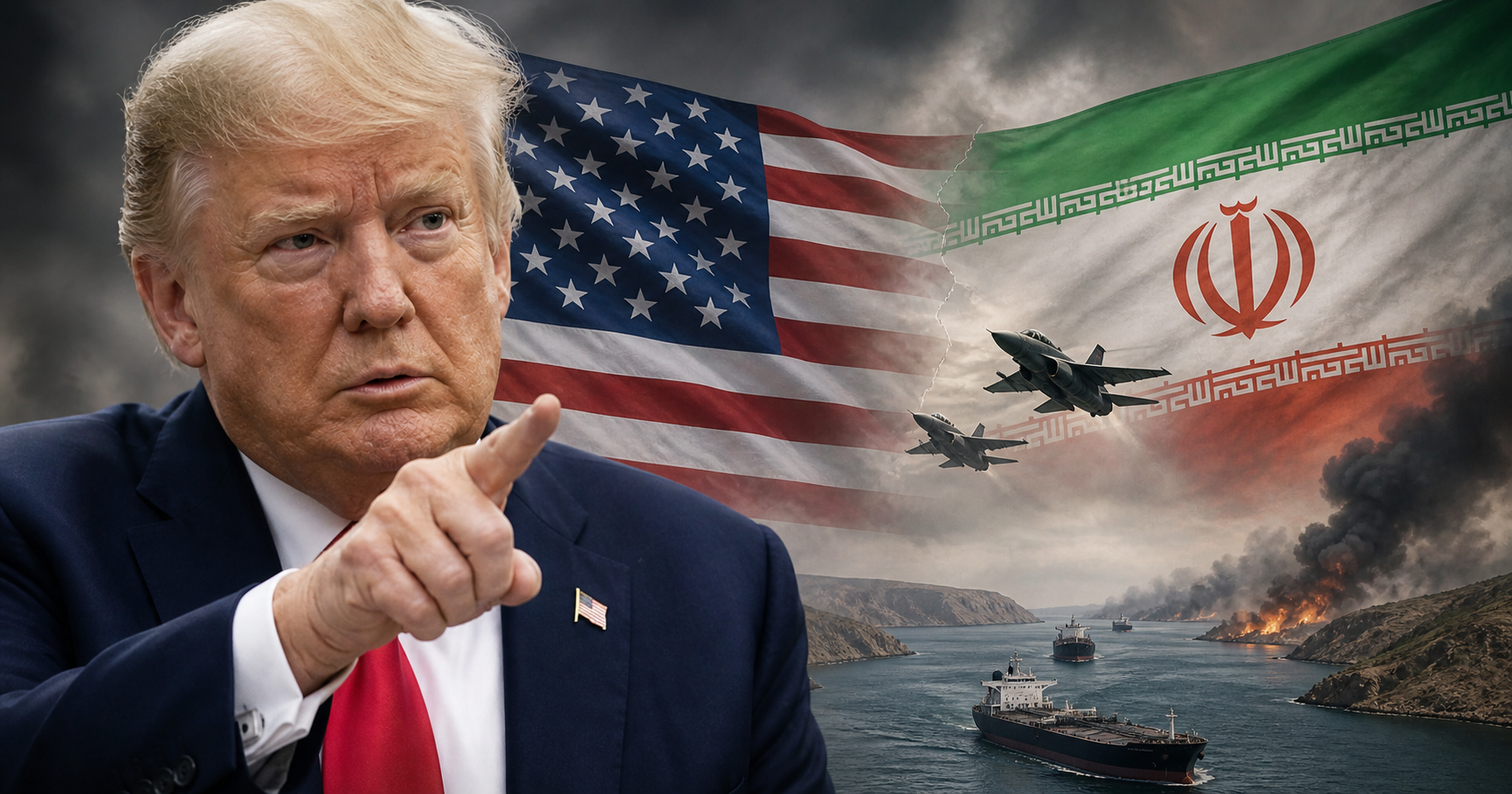


Tensions in the Middle East are intensifying as Gulf nations express growing concern that ongoing diplomatic negotiations between the United States and Iran may inadvertently strengthen Tehran’s control over the strategically vital Strait of Hormuz. Rather than resolving broader regional conflicts, analysts warn the talks could cement Iran’s influence over one of the world’s most critical oil transit routes.
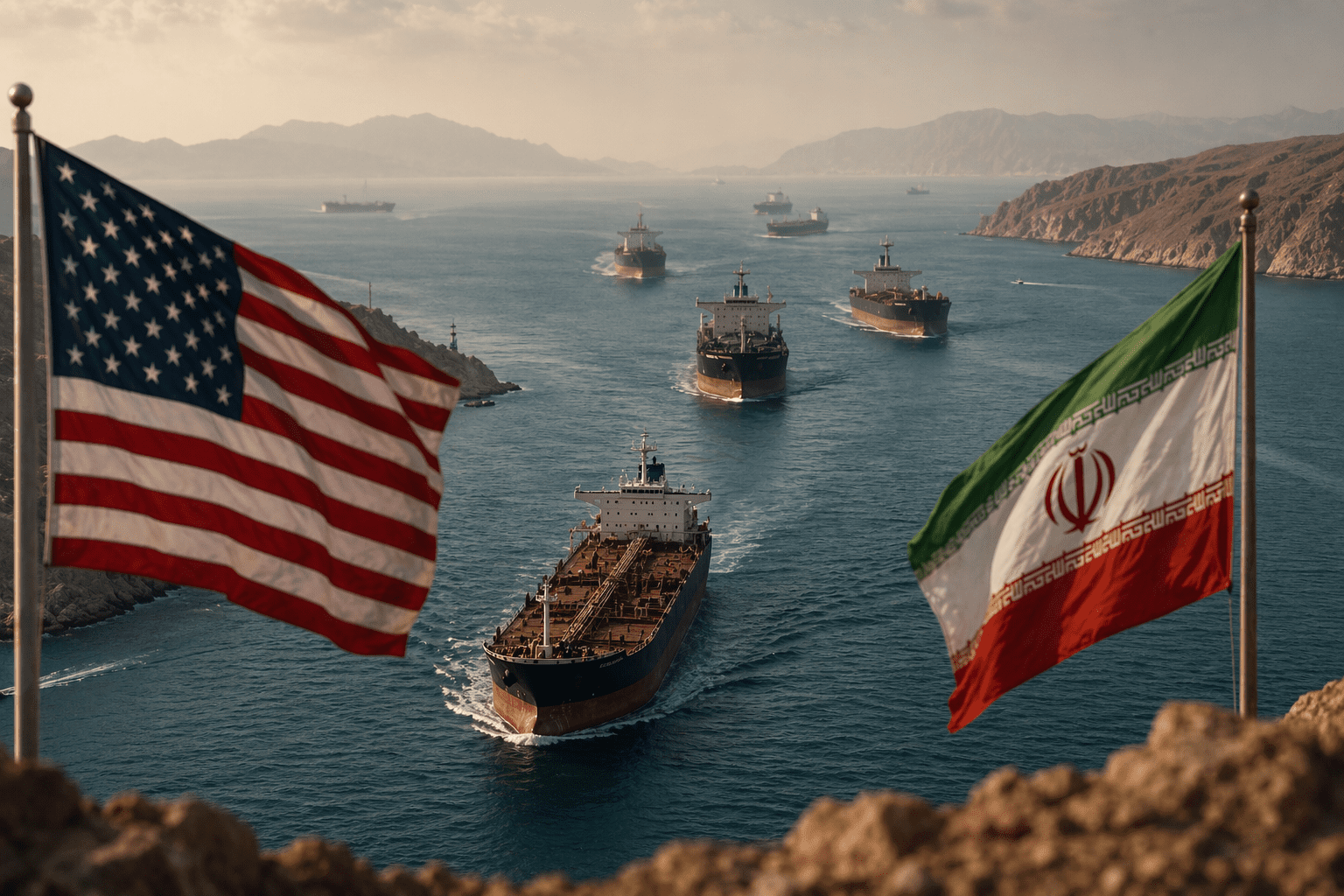
The Strait of Hormuz, through which nearly 20% of global oil supply passes, has emerged as the central focus of discussions. Gulf officials fear that instead of addressing long-standing issues such as Iran’s missile program and regional proxy networks, negotiations are increasingly centered on managing Iran’s leverage over the waterway.
According to sources familiar with the matter, this shift represents a significant change in diplomatic priorities. Previously, the emphasis was on limiting Iran’s military capabilities. Now, attention appears to be directed toward uranium enrichment levels and ensuring the continued flow of oil through Hormuz—potentially at the cost of broader regional security concerns.
Hormuz: From Strategic Passage to Political Weapon
Iran has long viewed the Strait of Hormuz as a powerful geopolitical tool. Recent developments suggest that Tehran is now more openly acknowledging its strategic importance. Iranian officials reportedly describe the strait as a “golden asset,” emphasizing that its geographic advantage provides leverage that cannot be easily neutralized.
This perspective has alarmed Gulf states, which rely heavily on stable shipping routes for their economic security. The disruption of shipping activity in the region, coupled with rising oil prices following recent incidents, underscores how critical the strait has become—not just economically, but politically.
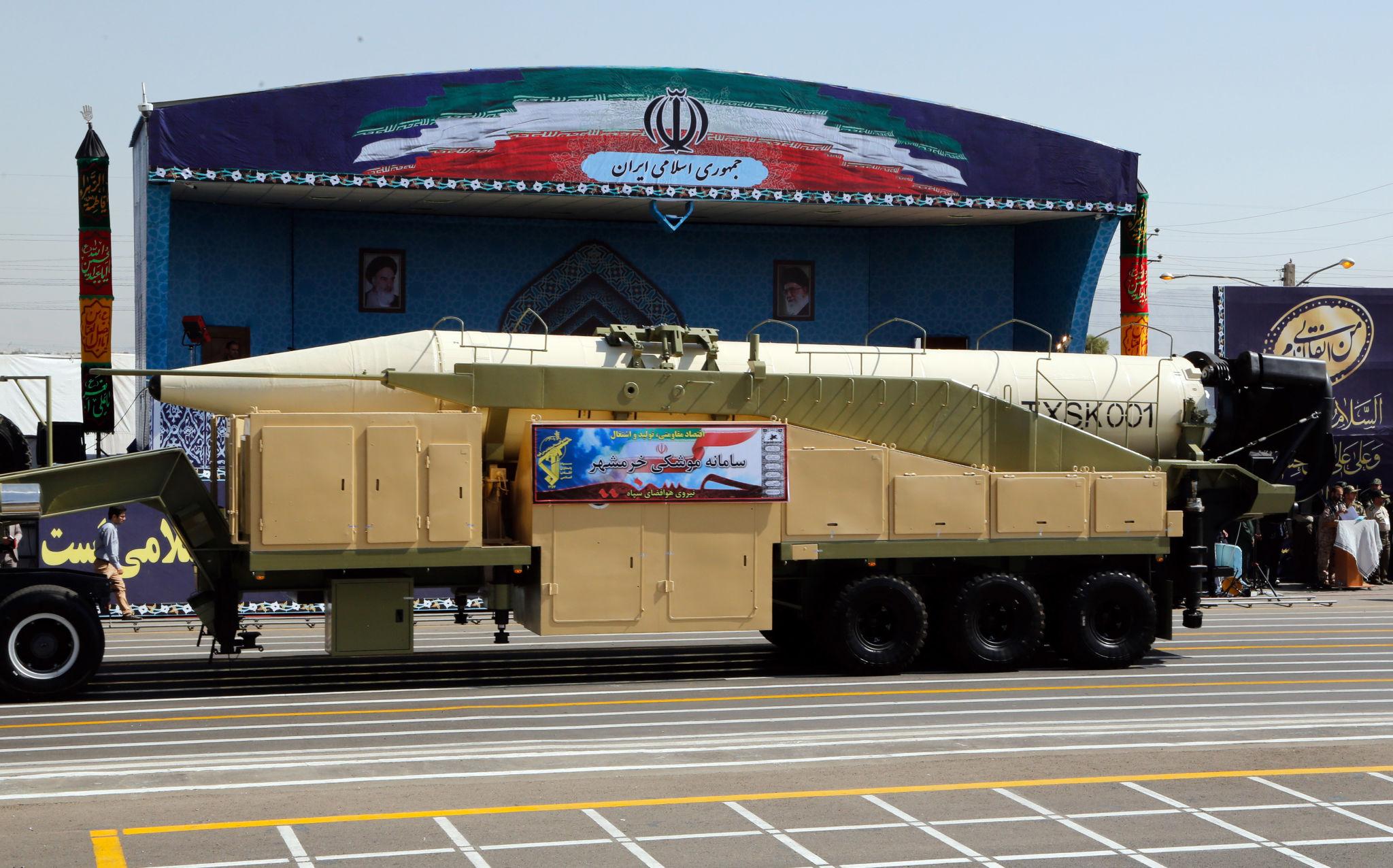
The evolving narrative around Hormuz suggests it is no longer just a trade route but a bargaining chip in global diplomacy. Analysts believe that Iran’s ability to influence shipping through the strait allows it to exert pressure without escalating to direct military confrontation.
Gulf States Feel Sidelined
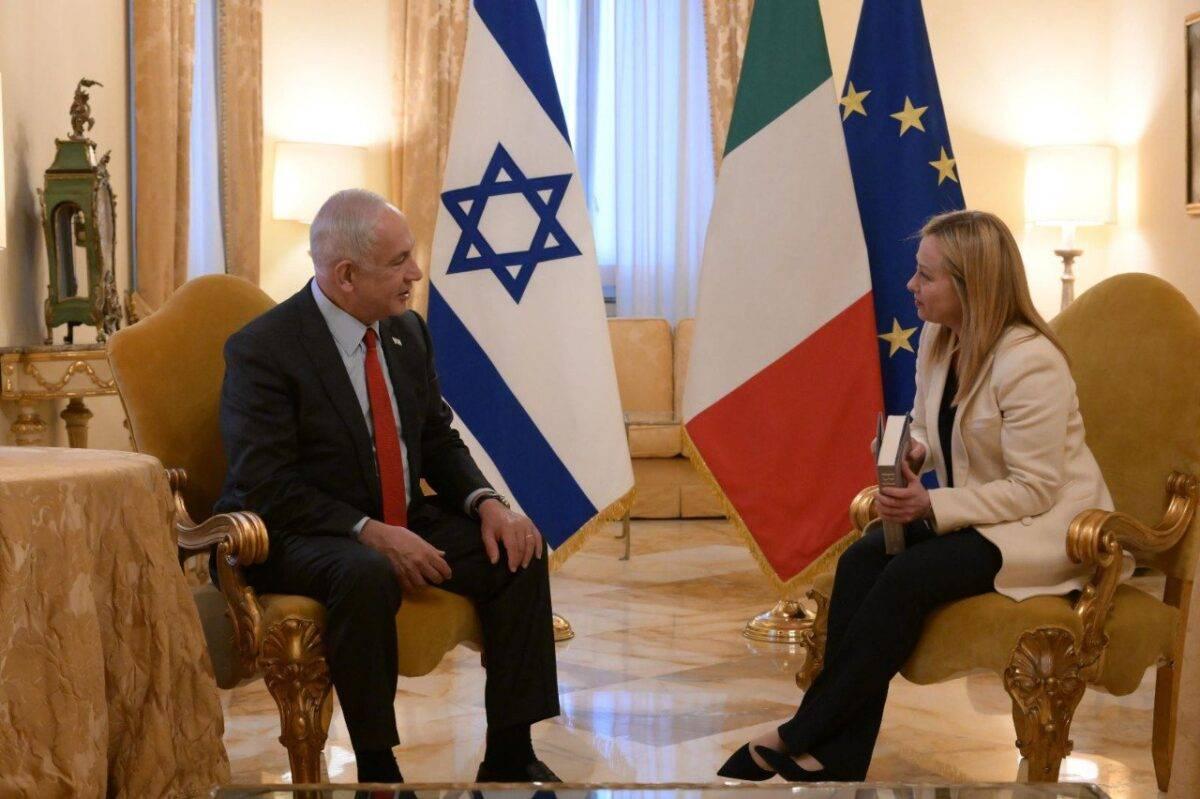
One of the most pressing concerns for Gulf nations is their perceived exclusion from the negotiation process. Despite being directly affected by regional instability, many Gulf governments feel their security concerns are being overlooked.
Officials argue that focusing solely on Hormuz risks ignoring the broader threats posed by Iran’s missile capabilities and its network of regional allies. These issues, they say, have a direct impact on Gulf security but appear to be receiving less attention in current talks.
This sense of marginalization has led to frustration among Gulf leaders, who believe that decisions with far-reaching consequences are being made without their input. The situation highlights a growing divide between global powers prioritizing economic stability and regional actors dealing with on-the-ground security risks.
A “Managed Conflict” Instead of Resolution
Experts caution that the current diplomatic approach may not lead to lasting peace but rather to a controlled state of tension. By focusing on maintaining stability in oil markets, negotiations could result in a “managed conflict” scenario—where tensions persist but are kept within acceptable limits.
While such an outcome might benefit global economies, it could leave Gulf states exposed to ongoing threats. The region has already experienced the economic fallout of recent conflicts, including increased insurance costs, disrupted exports, and heightened security expenditures.
Moreover, reliance on external powers like the United States for protection has shown its limitations. While U.S. military support remains crucial, Gulf analysts emphasize the need for a more inclusive approach to regional security—one that involves local stakeholders in decision-making processes.
The Road Ahead
As negotiations continue, the role of the Strait of Hormuz is likely to remain central. However, the broader implications of these talks extend far beyond energy markets. The outcome could reshape power dynamics in the Middle East and redefine how global and regional interests are balanced.
For Gulf nations, the key concern is clear: ensuring that their security is not sacrificed in the pursuit of economic stability. Whether the current diplomatic efforts can achieve that balance remains uncertain.