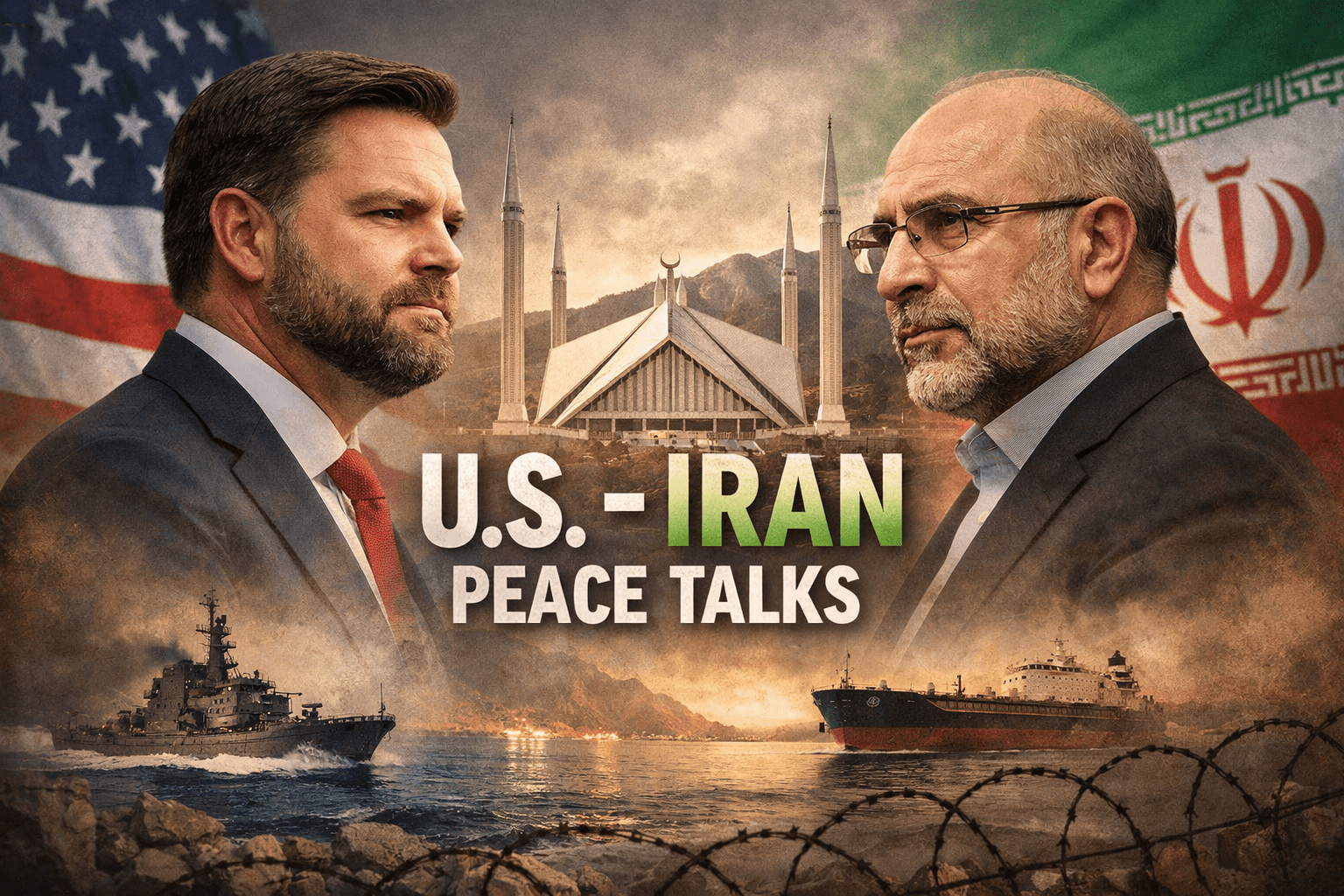

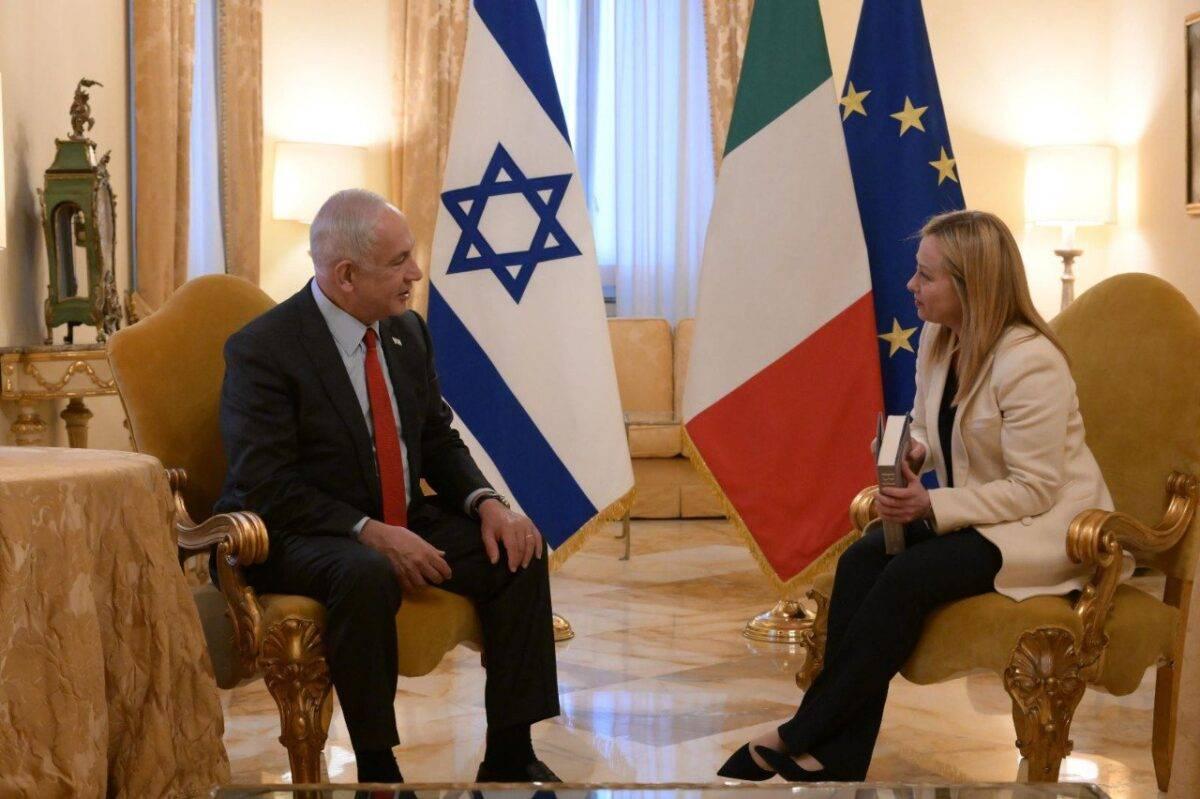




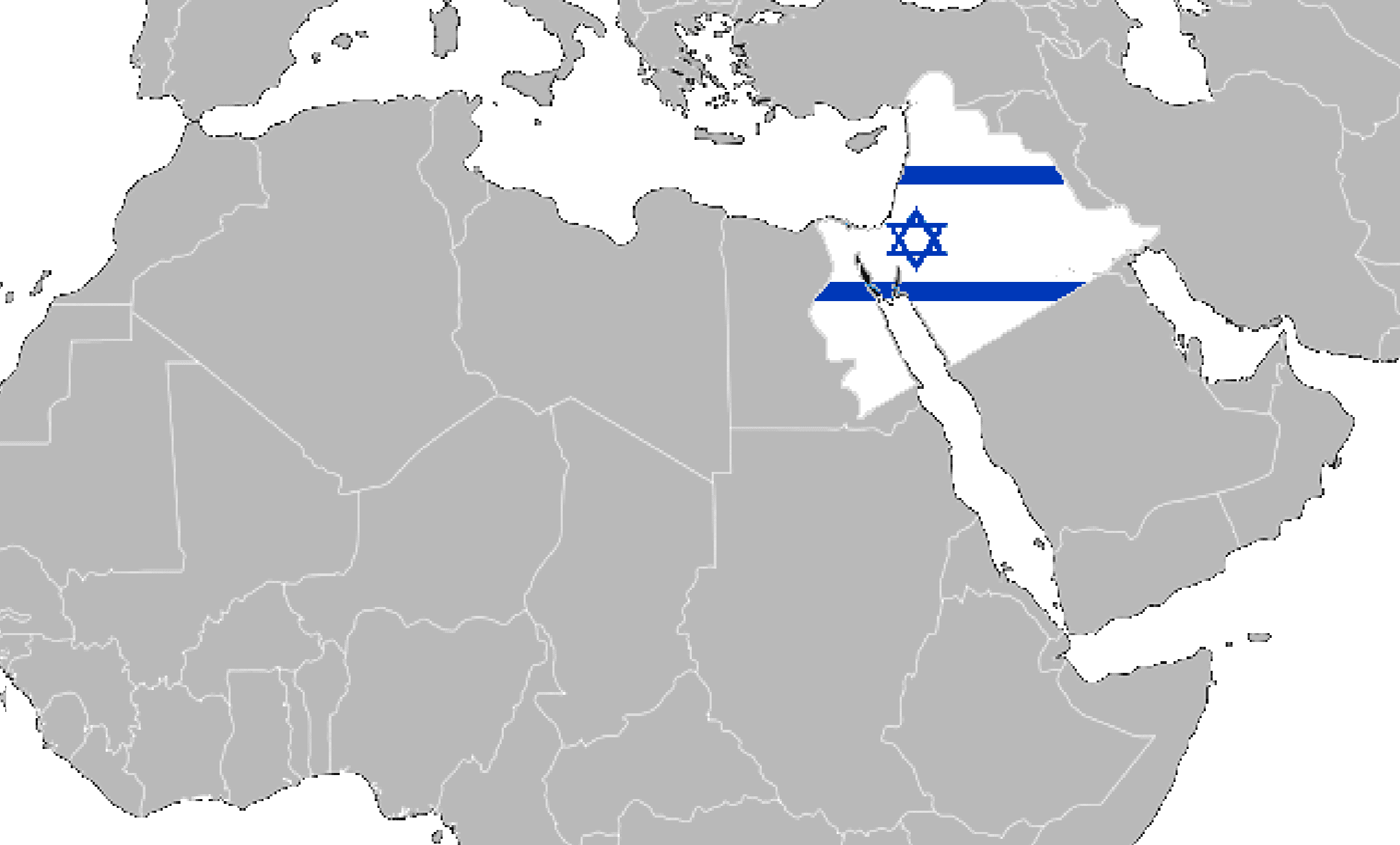
For years, the idea of a “Greater Israel” has existed not just as ideology, but as a quiet strategic ambition shaping decisions in Tel Aviv. It is a vision rooted in expansion, dominance, and influence — one that seeks to redefine the Middle East’s balance of power.
But today, that vision is running into a hard, immovable reality: Iran.
Not as a distant adversary, but as a deeply entrenched regional force that refuses to yield.
Expansion Is No Longer a One-Sided Game
Israel’s strategic doctrine has long relied on a simple assumption — that it can expand its security perimeter faster than its enemies can respond.
From the Golan Heights to southern Lebanon, and from Palestinian territories to covert operations beyond borders, this approach has worked — until now.
Iran changes that equation.
Unlike fragmented regional actors, Iran operates with long-term patience. It doesn’t need quick victories; it plays the endurance game. And that alone disrupts Israel’s traditional advantage of rapid, decisive action.
Military Superiority Has Its Limits
Israel’s military strength is unquestionable. Its technology, intelligence, and alliances — particularly with the United States — give it an edge few countries can match.
But superiority is not the same as control.
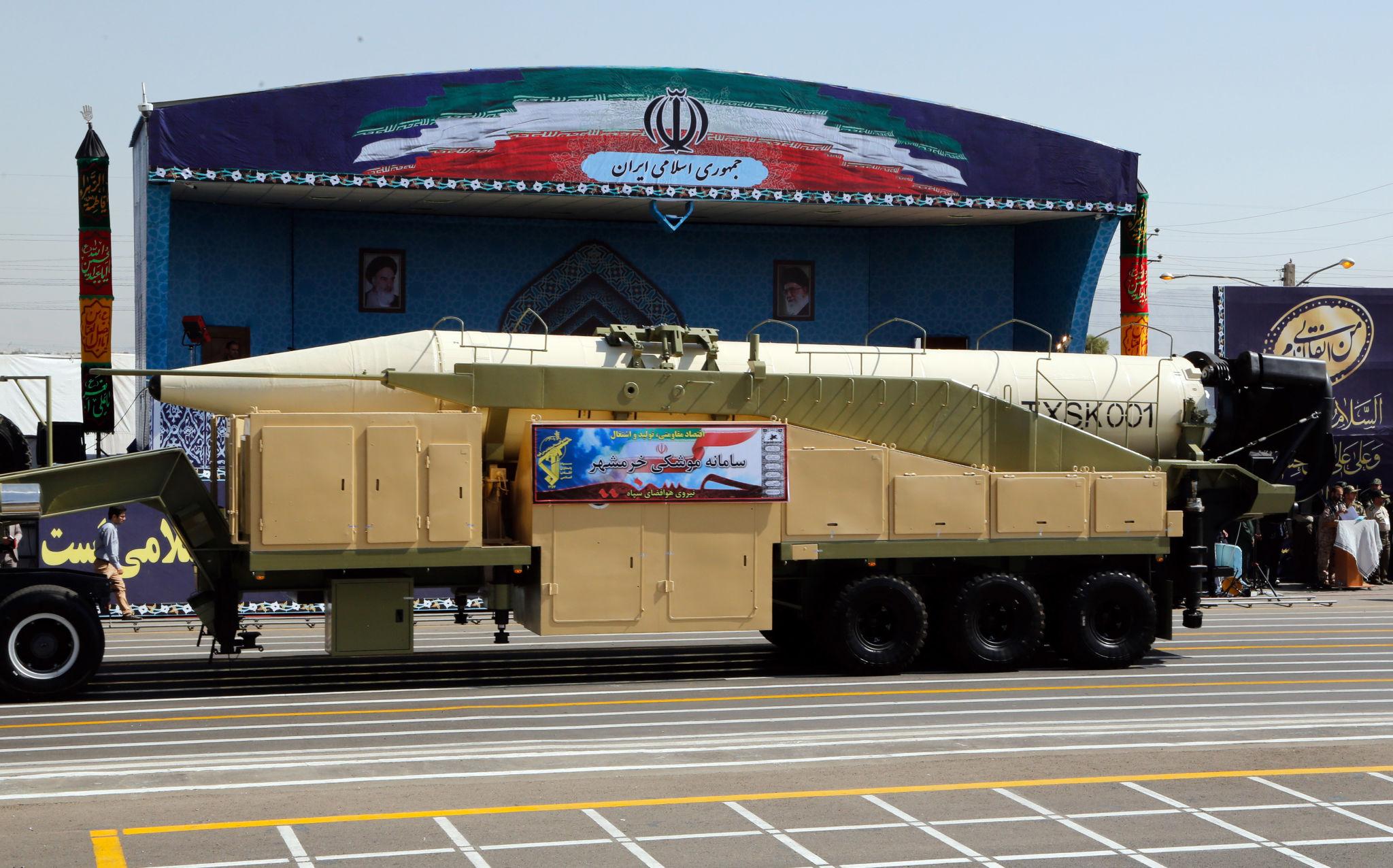
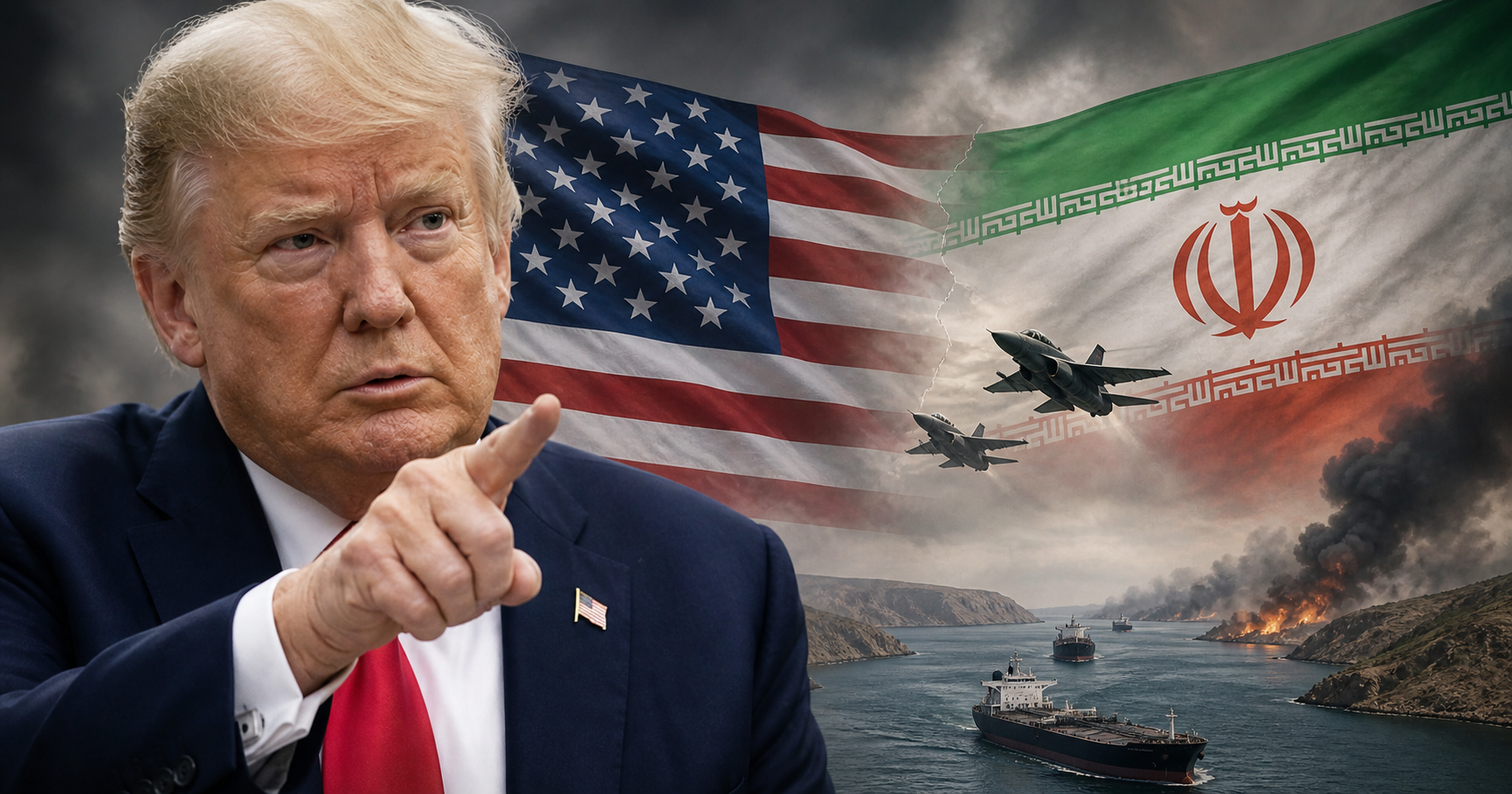
Recent confrontations have revealed an uncomfortable truth: Israel can strike Iran, but it cannot dominate it. Even with American backing, the cost of escalation remains dangerously high, and the outcome uncertain.
That’s not dominance — that’s deterrence at best.
The Iran Factor: Strategy Over Speed

Iran’s real strength lies not just in missiles or proxies, but in its strategy:
- It leverages geography — controlling access to critical routes like the Strait of Hormuz
- It builds influence through networks, not just borders
- It thrives in prolonged conflict, where stronger economies often lose patience
In contrast, Israel’s model depends on speed, precision, and short wars.
This is not just a clash of nations — it’s a clash of doctrines.
A Region That Is No Longer Predictable
There was a time when Israel could rely on a fragmented Middle East — divided, unstable, and easier to influence.
That time is fading.
Iran’s resilience is forcing other regional players to rethink their positions. Even traditional rivals are beginning to recalibrate their strategies, not necessarily in favor of Iran, but certainly not in blind alignment with Israel either.
At the same time, shifts in global opinion — particularly in the United States — are introducing new uncertainties. Unconditional support is no longer guaranteed, and that changes everything.
The Illusion of “Greater Israel”
The idea of “Greater Israel” assumes that power can continuously expand outward without meeting equal resistance.
But history suggests otherwise.
Empires don’t collapse because they lack ambition — they collapse because they underestimate resistance.
Iran represents that resistance today. Not perfect, not invincible, but persistent enough to block the path forward.
Conclusion: Strategy Will Decide the Future, Not Force
The future of the Middle East will not be decided by who strikes harder, but by who endures longer.
Israel’s vision of regional dominance is being tested not by weakness, but by an opponent that refuses to break.
And that may be the most dangerous challenge of all — not an enemy you can defeat, but one you cannot outlast.