


More than a year into his second presidential term, Donald Trump’s ambitious strategy to reset U.S.-China relations through aggressive tariffs appears to be losing direction, raising concerns among policymakers and analysts about the coherence of Washington’s approach toward Beijing.
Tariff Strategy Falls Short
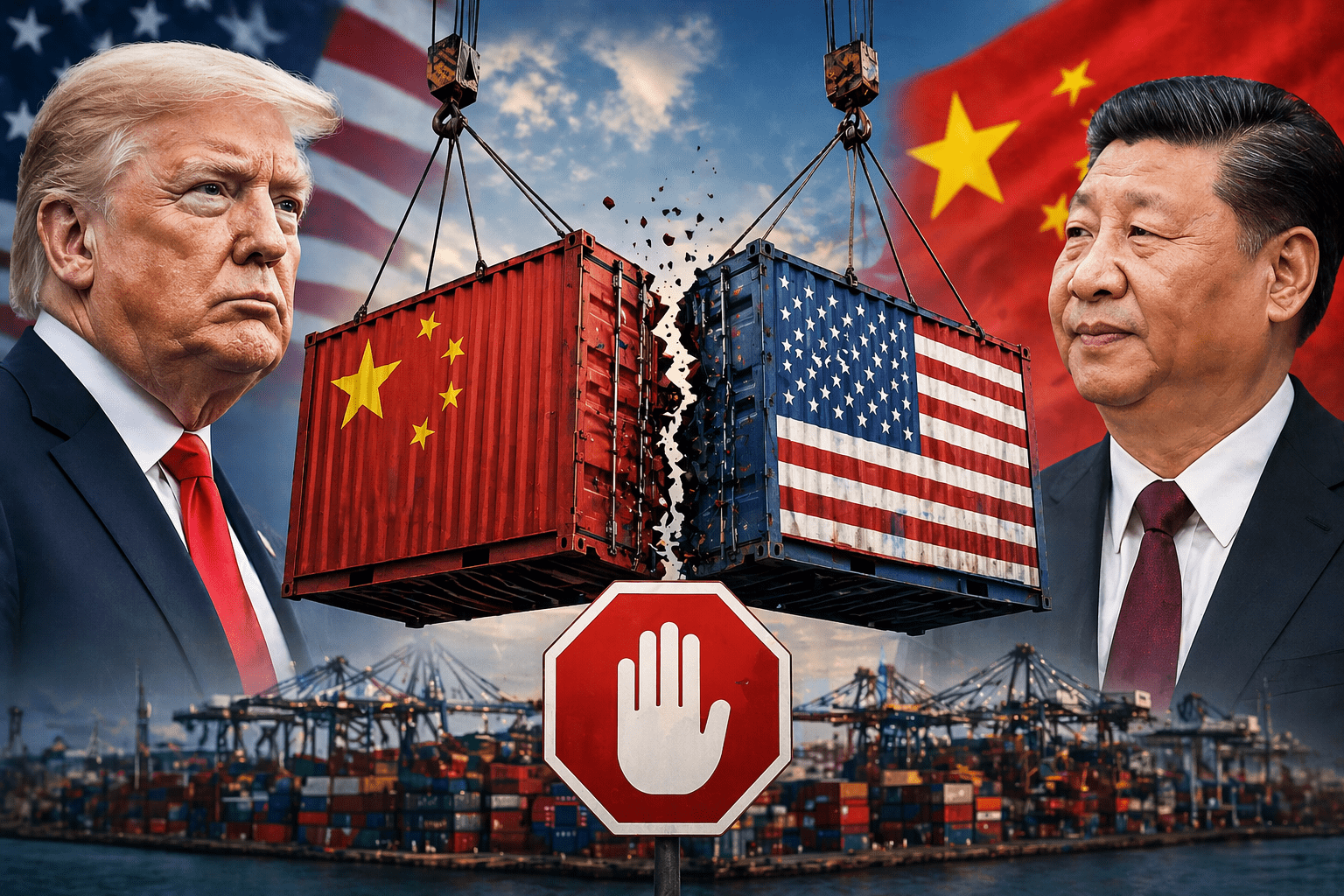
When Trump returned to office in 2025, he pledged to use sweeping tariffs to counter what he described as unfair Chinese trade practices. Duties on Chinese imports were raised as high as 145%, signaling a hardline stance aimed at forcing major concessions from Beijing.
However, the results have been mixed at best. While the U.S. goods trade deficit with China fell by 32% to $202 billion in 2025, the tariffs have not significantly altered China’s trade policies or military posture.
Experts say the administration’s reliance on tariffs as a primary tool has failed to achieve its broader strategic goals. “There has been no coherent Plan B,” noted analysts, pointing to the lack of a clear alternative strategy after tariffs lost momentum.
Policy Confusion and Mixed Signals
A major concern surrounding the administration’s China policy is its inconsistency. Officials and observers highlight frequent reversals and conflicting decisions that have created uncertainty within the U.S. government itself.
In recent months, the administration has:
- Blacklisted Chinese companies over military ties — only to reverse the decision shortly after
- Approved advanced semiconductor sales to China minutes after labeling such access a national security threat
- Paused export controls and port restrictions amid pressure from Beijing
These rapid shifts have left policymakers struggling to interpret the administration’s long-term objectives.
China Projects Stability
Amid the perceived chaos in Washington’s approach, China has positioned itself as a stable global power. Beijing has emphasized continuity in its policies while resisting U.S. pressure, reinforcing its image as a predictable economic and geopolitical force.
Chinese officials have suggested that U.S. policy inconsistencies are weakening America’s credibility on the global stage, particularly among allies.
Strategic Challenges and Trade-Offs
Trump’s broader geopolitical moves — including actions in Iran, Venezuela, and support for Taiwan — have sent mixed signals. While some measures have pressured China indirectly, others have diverted U.S. focus and resources away from Asia, potentially weakening its strategic position in the region.
Additionally, tensions with traditional allies over NATO, tariffs, and global conflicts risk undermining a unified front against China.
Shift Toward “Managed Trade”
With tariffs proving insufficient, key officials like Treasury Secretary Scott Bessent and U.S. Trade Representative Jamieson Greer are now emphasizing a more controlled approach to trade relations with China.
The new focus appears to be on:
- Stabilizing bilateral relations
- Reducing trade imbalances
- Limiting trade in sensitive technologies
However, critics argue that without a clear and consistent framework, even this approach may struggle to deliver meaningful results.
What Lies Ahead?
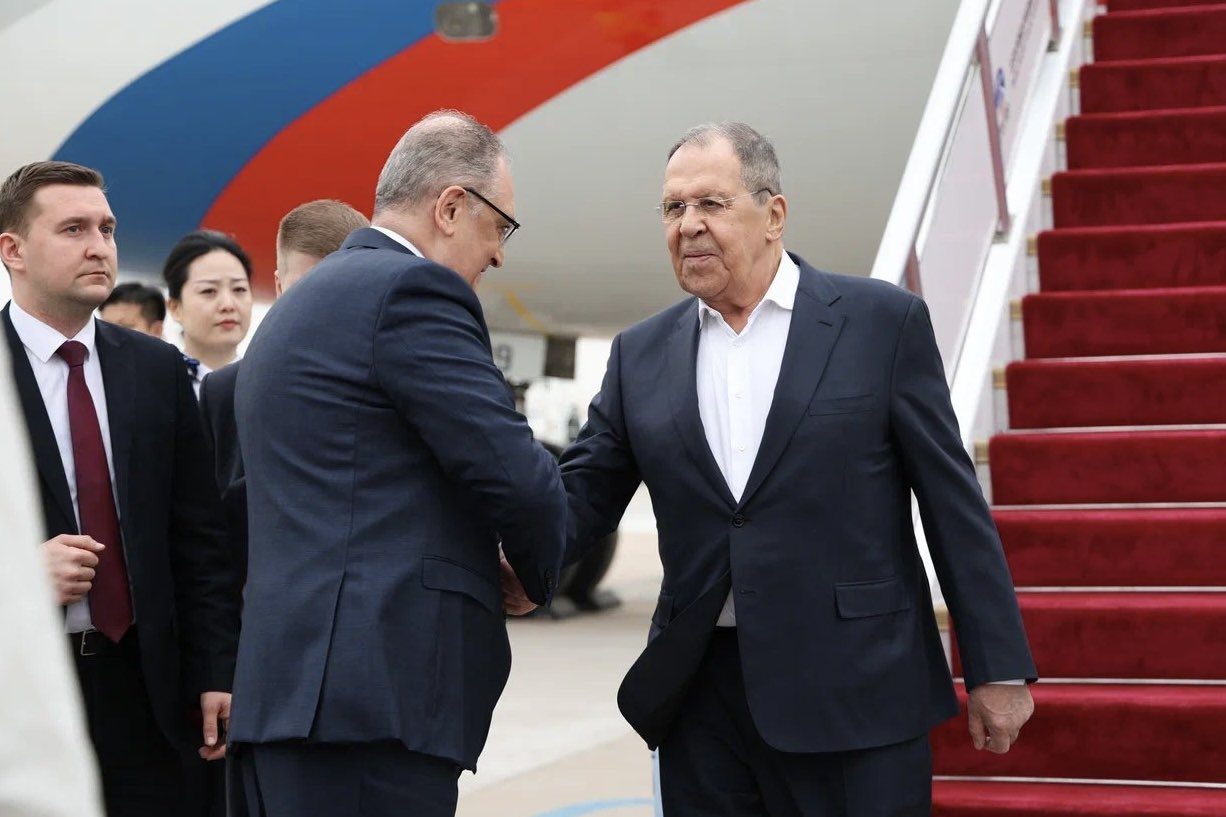
As Trump prepares for a high-stakes visit to China in May — the first by a U.S. president in eight years — expectations remain uncertain. The meeting with President Xi Jinping could define the next phase of U.S.-China relations, but doubts linger over whether Washington can present a unified and effective strategy.
For now, the world’s most important economic relationship appears to be navigating a period of unpredictability, with significant implications for global trade, security, and diplomacy.