





Ukraine has intensified its long-range drone campaign against Russia, targeting critical oil and gas infrastructure and causing significant disruptions to Moscow’s energy exports. The attacks, carried out over the past two weeks, have prompted Russia to issue a stark warning to European nations supporting Ukraine’s defense industry.
Ukraine’s Deep Strikes Disrupt Russian Oil Flow
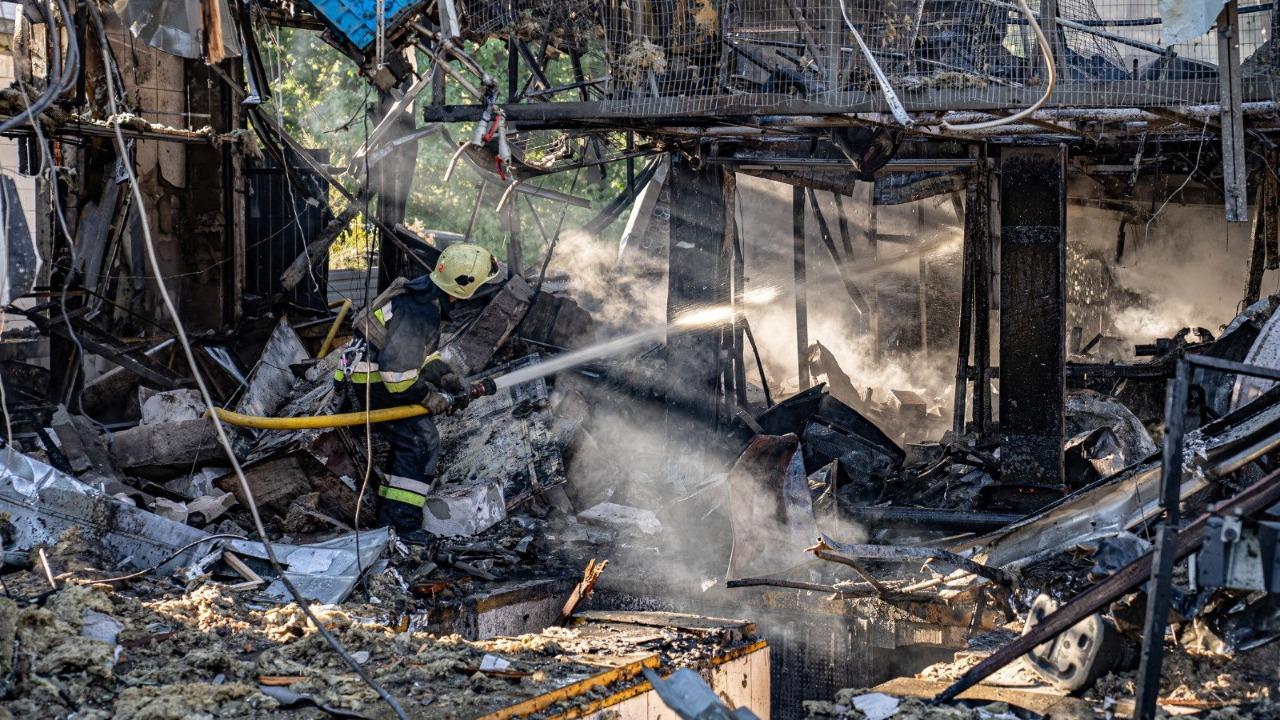
Ukraine’s coordinated strikes have hit a wide range of strategic targets, including oil refineries, export terminals, drilling platforms, and pipeline infrastructure. These attacks have significantly reduced Russia’s ability to export oil, with reports indicating losses of up to 2 million barrels per day.
Major targets include:
- Oil terminals at Primorsk and Ust-Luga
- Refineries in Bashkortostan and Nizhny Novgorod
- Oil depots near Moscow
- Infrastructure in the Caspian Sea and Black Sea
Satellite imagery suggests that Primorsk has lost around 40% of its storage capacity, while Ust-Luga has lost about 30%, severely impacting shipment volumes.
Russia Issues Warning to Europe
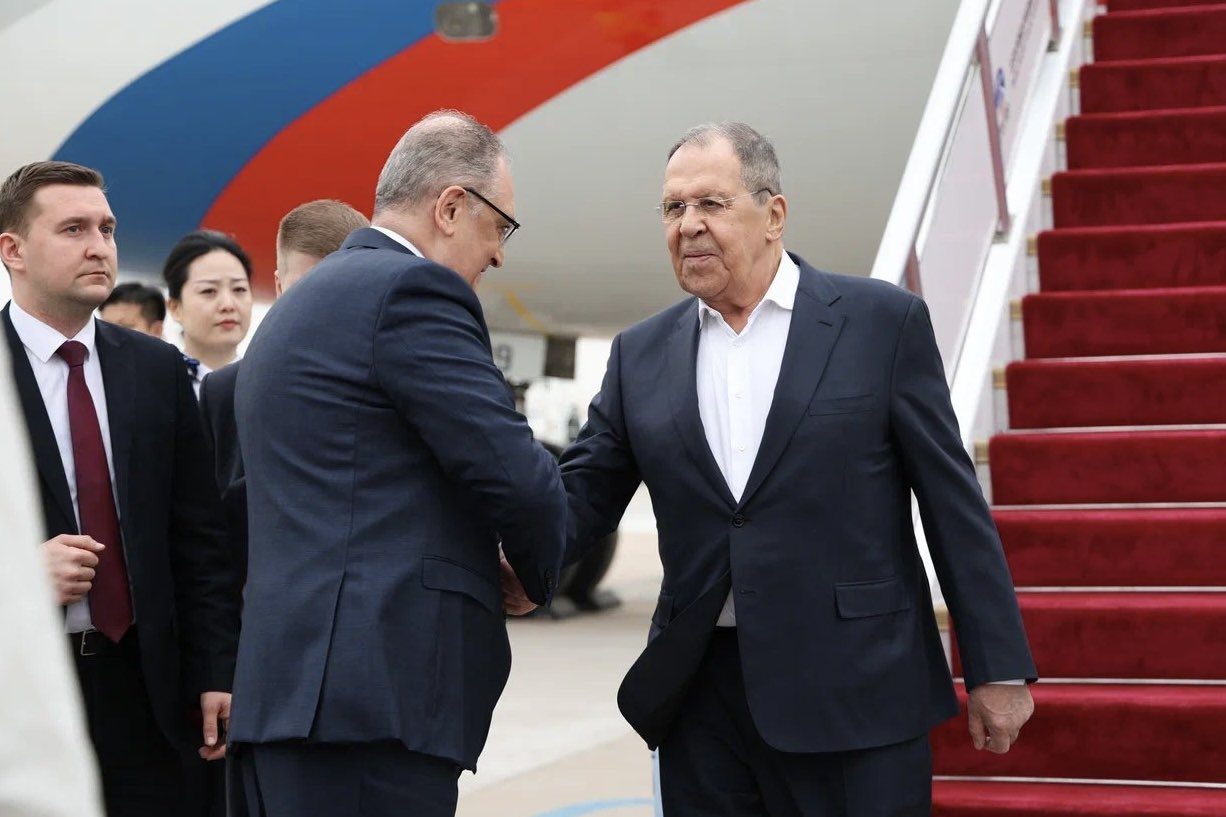
In response, Russia has warned European countries against supporting Ukraine’s expanding drone program. The Russian defense ministry described European involvement as a dangerous escalation that could transform these nations into “strategic rear bases” for Ukraine.
Former Russian President Dmitry Medvedev escalated tensions further by stating that European defense companies collaborating with Ukraine could become “potential targets” for Russian forces.
Europe Doubles Down on Support
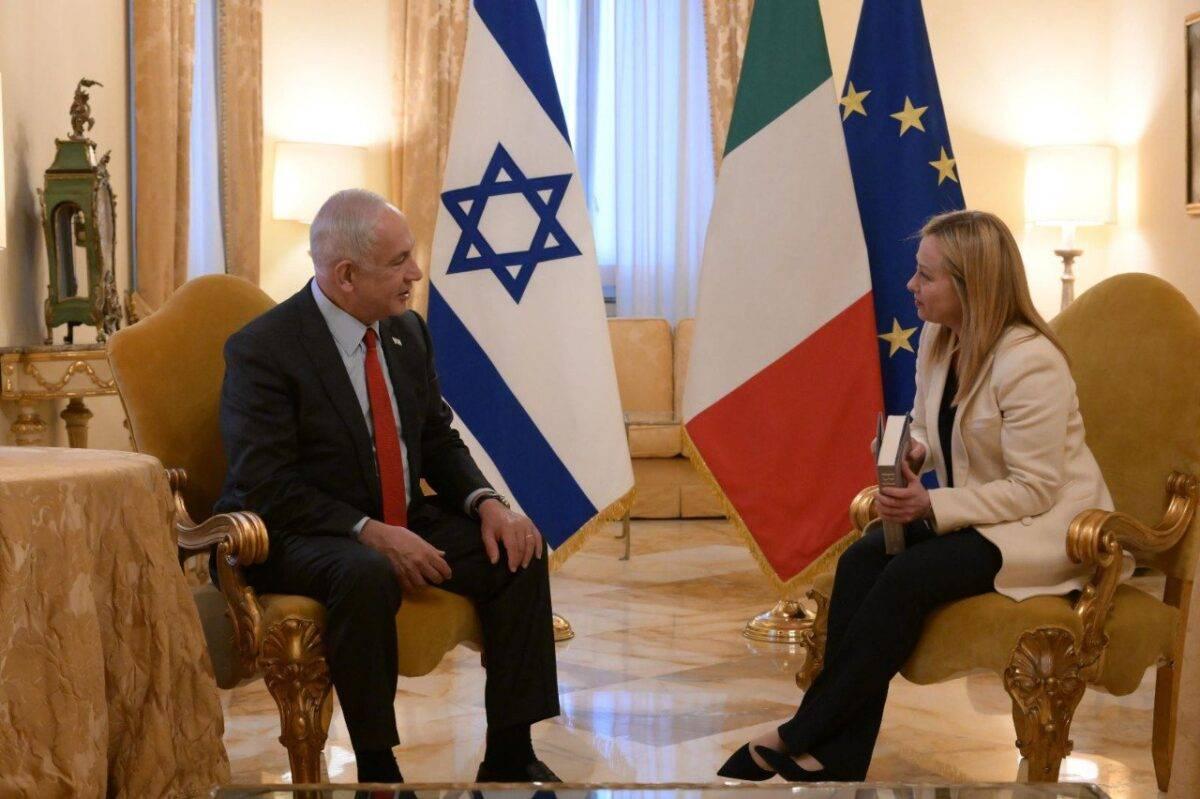
Despite Russia’s warnings, several European countries have increased their military support for Ukraine:
- Germany pledged €300 million and support for 5,000 drones
- Norway committed €560 million and joint drone production
- Netherlands announced €248 million in aid
- Belgium pledged €85 million
These investments highlight Europe’s commitment to strengthening Ukraine’s long-range strike capabilities.
Economic Impact on Russia
Although global oil prices surged due to geopolitical tensions, Russia has struggled to capitalize fully. Ukrainian strikes have reportedly wiped out 40% of Russia’s potential oil revenue gains, despite a broader global windfall for energy companies.
In some cases, ports that typically handle dozens of shipments weekly have been reduced to handling only a few vessels, further tightening supply chains.
Ukraine’s Growing Military Capability
Ukraine’s domestic arms production has surged dramatically. According to officials, defense capabilities have increased more than 50 times since the start of the full-scale invasion.
President Volodymyr Zelenskyy recently showcased:
- 56 types of domestically produced weapons
- 31 types of drones
These developments allow Ukraine to strike deep inside Russian territory without relying heavily on Western-supplied systems.
A War Entering a New Phase
Ukraine’s strategy of targeting Russia’s economic backbone—its energy sector—marks a significant shift in the conflict. By inflicting financial losses and disrupting exports, Kyiv aims to pressure Moscow into reconsidering its war strategy.
However, Russia’s warning to Europe signals a growing risk of wider escalation, raising concerns about the conflict expanding beyond Ukraine’s borders.
Conclusion
The ongoing drone warfare between Ukraine and Russia is reshaping the battlefield—and the global energy market. With Europe increasingly involved and Russia issuing direct threats, the conflict is entering a more volatile and unpredictable phase.
The coming weeks will be critical in determining whether these economic strikes force strategic changes—or trigger even greater escalation.