


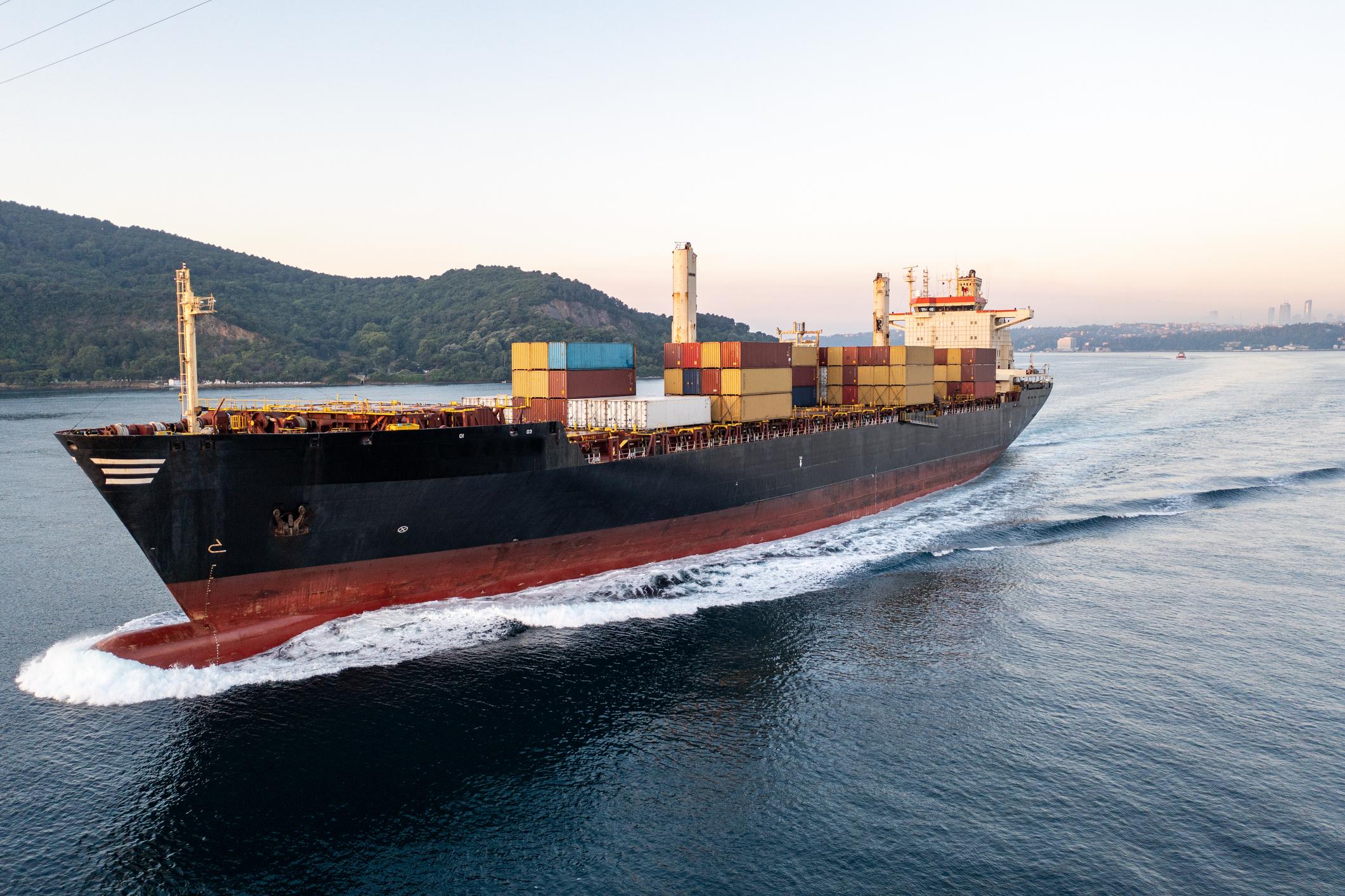
In a major development, a convoy of eight oil tankers passed through the Strait of Hormuz on Saturday — marking the first significant movement of vessels since the U.S.-Israel war on Iran began seven weeks ago.
The Strait of Hormuz, a critical global oil chokepoint, typically handles nearly 20% of the world’s oil supply, making any disruption a major concern for global markets.
However, the movement quickly turned tense as reports emerged that at least two merchant vessels were hit by gunfire while attempting to cross the strategic waterway.
⚠️ Tankers Under Fire Amid Rising Tensions
According to maritime security sources, the attacks occurred shortly after Iran announced it was tightening its control over the Strait once again.
While details remain limited, the incident highlights the growing risks to commercial shipping in the region, raising fears of:
- Supply chain disruptions
- Rising oil prices
- Increased military confrontation
There has been no immediate response from the United States regarding the reported attacks.
🇮🇷 Iran Reimposes Strict Military Control
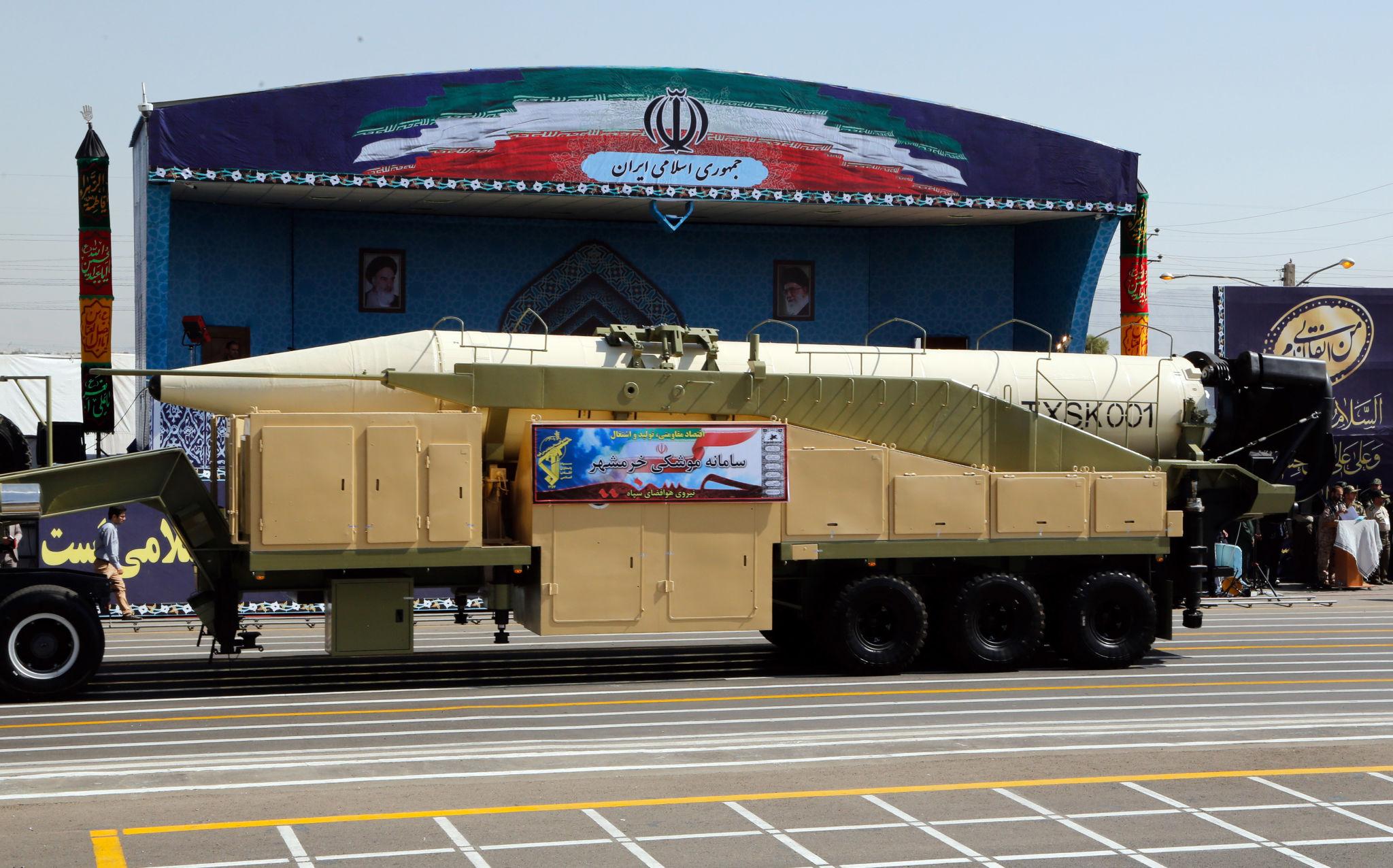
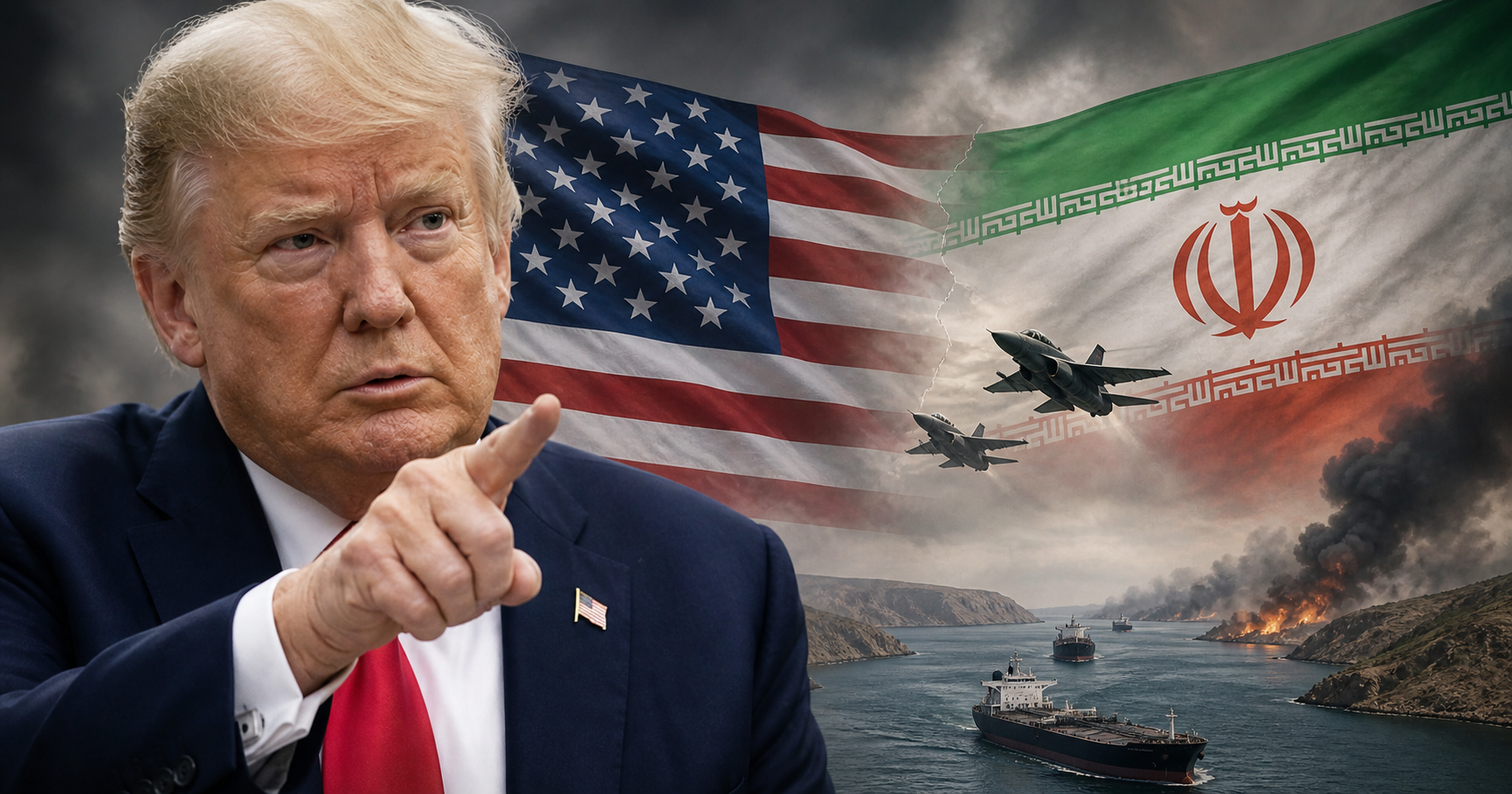
Iran’s armed forces confirmed that the Strait of Hormuz is now back under strict military supervision, accusing the United States of “piracy” through its ongoing blockade of Iranian ports.
Iran stated that:
- It had initially allowed limited tanker movement in good faith
- Continued U.S. actions forced it to restore tighter restrictions
- The waterway is now under direct Iranian military control
In a strong message, Iran’s Supreme Leader warned that its navy is prepared to deliver “new bitter defeats” to its adversaries.
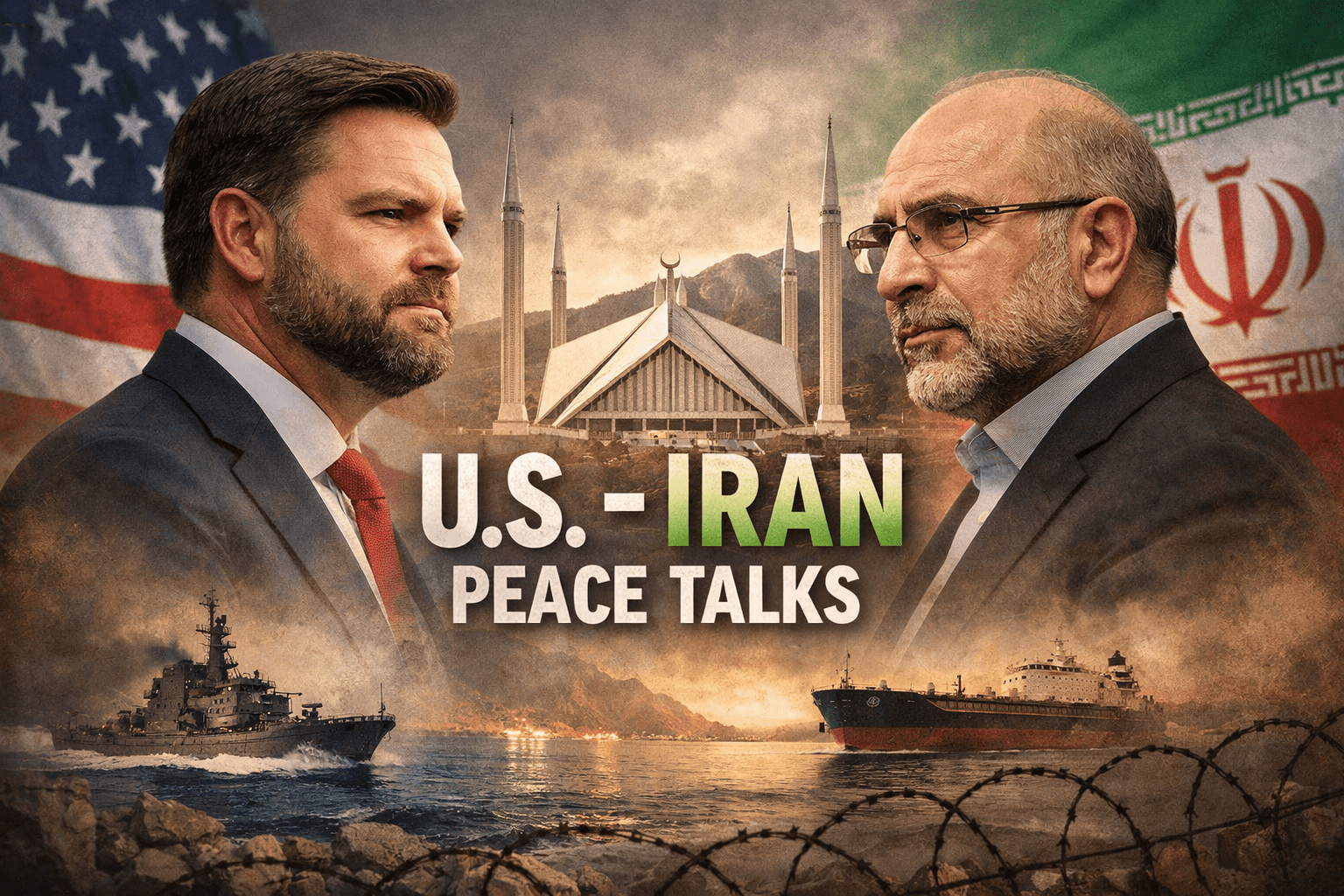
🇺🇸 Ceasefire Uncertainty Adds to Volatility
U.S. President Donald Trump hinted at “positive developments” but also warned that the temporary ceasefire may not be extended beyond Wednesday.
Key developments include:
- A 10-day ceasefire brokered earlier between Israel and Lebanon
- Temporary reopening of the Strait by Iran
- Rising doubts about whether peace talks will hold
If the ceasefire collapses, analysts warn of:
🌍 Global Impact: Oil Markets on Edge

The Strait of Hormuz remains one of the world’s most critical energy corridors. Any instability here directly impacts:
- Global oil prices
- Energy security in Europe and Asia
- Shipping insurance and freight costs
With tensions rising again, markets are bracing for volatility, especially if military confrontations intensify.
Conclusion
The situation in the Strait of Hormuz is rapidly evolving, with military tension, fragile diplomacy, and economic stakes colliding.
The reported attacks on tankers and Iran’s renewed control signal that the region remains highly unstable. With the ceasefire deadline approaching, the next few days could determine whether the crisis de-escalates — or spirals into a broader conflict affecting the global economy.