


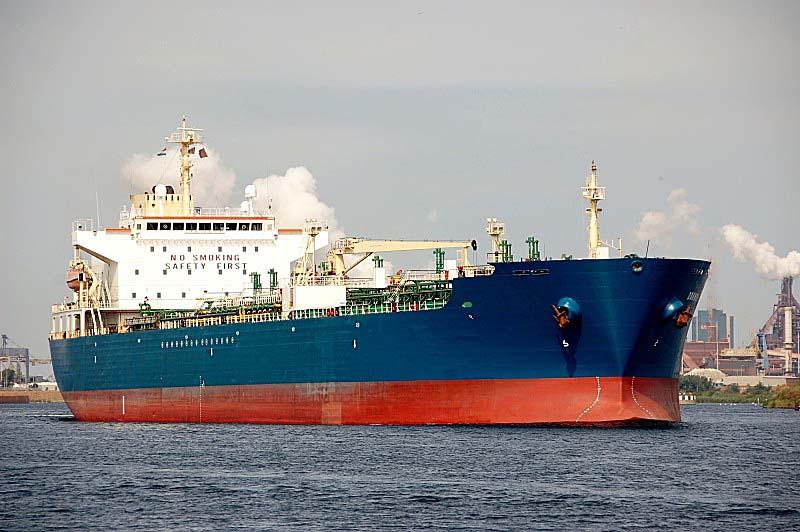
In a significant shift in energy policy, the United States has reversed its earlier stance and extended temporary waivers allowing the purchase of Russian oil already loaded onto tankers. The move comes amid ongoing geopolitical tensions linked to the Iran conflict and is expected to stabilize global oil markets.
Just days after ruling out any such relief, the U.S. Treasury Department issued a “general license” that effectively replaces the earlier waiver, pushing the deadline to May 16. This sudden policy reversal highlights the urgency of maintaining steady oil supplies during a volatile period.
Why the Waiver Matters
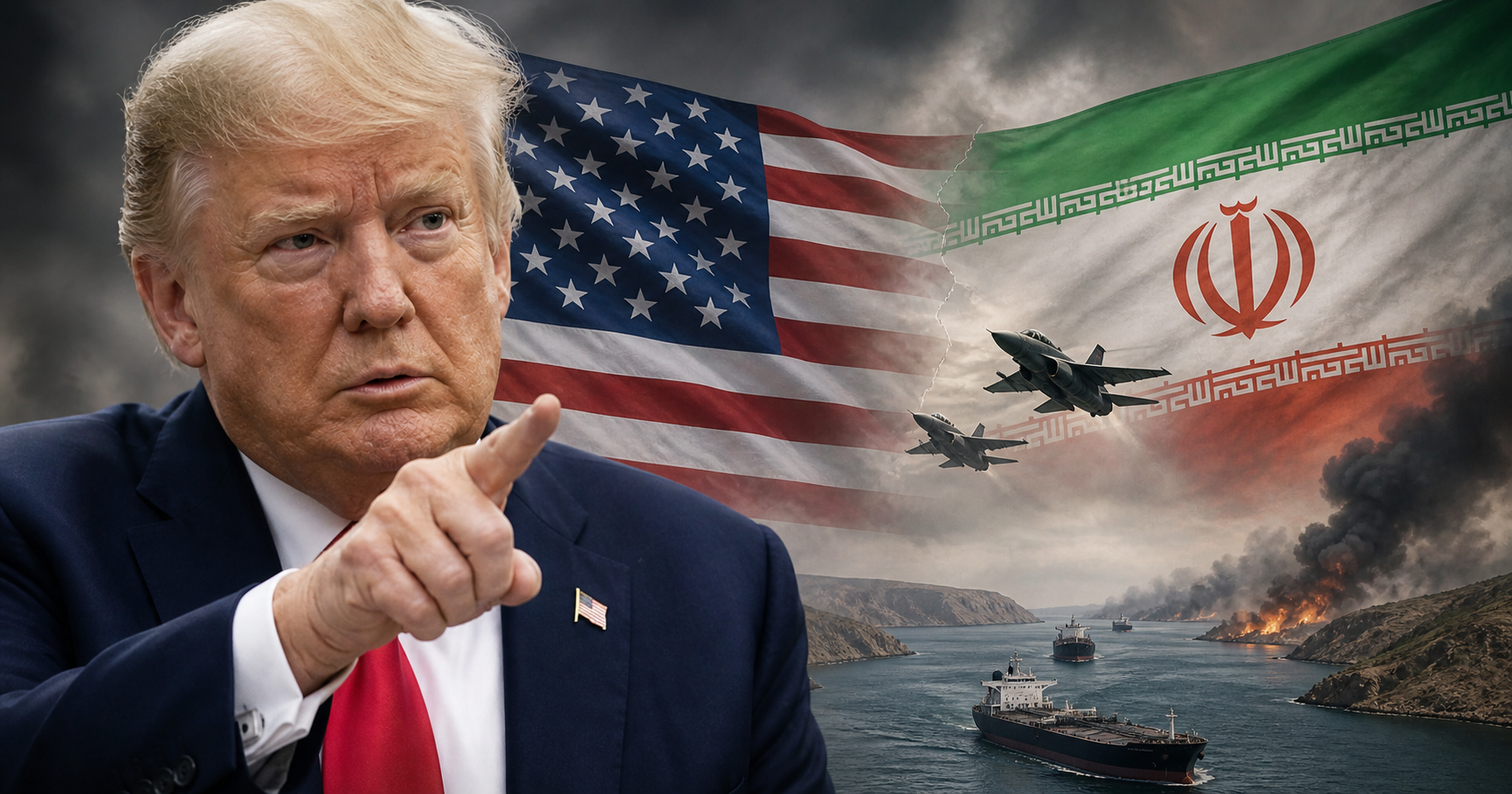
The renewed waiver allows countries to continue purchasing Russian oil that is already in transit, ensuring that global supply chains are not abruptly disrupted. The decision is particularly important as energy markets remain under pressure due to the ongoing conflict involving the United States, Israel, and Iran.
Last month, similar temporary waivers were introduced to stabilize oil prices, but they expired on April 11. Initially, U.S. officials indicated that no extension would be granted, making this reversal even more noteworthy.
India Emerges as a Key Beneficiary
India stands to gain significantly from this decision. As one of the largest importers of Russian crude, the waiver helps ensure uninterrupted access to oil supplies at a time when global markets are highly uncertain.
India imports nearly 90% of its crude oil, with a substantial portion coming from international sources. The waiver addresses immediate concerns over supply shortages and gives Indian refiners breathing room amid rising geopolitical risks.
Strait of Hormuz: A Critical Factor
The importance of the waiver is further amplified by disruptions in the Strait of Hormuz, a key maritime chokepoint through which around 40% of India’s oil imports pass. The region has been at the center of recent tensions, causing delays and increasing risks for shipping.
Insurance costs for oil shipments have also risen, with companies reassessing the risks associated with transporting crude through conflict-prone waters. This has added another layer of complexity to global energy logistics.
Rising Oil Prices and Market Impact
While the waiver ensures supply continuity, it does not necessarily guarantee lower prices. Reports indicate that Russian crude prices have surged to their highest levels since 2013, reducing the discount advantage that countries like India previously enjoyed.
This could have a direct impact on domestic inflation, as higher crude prices often translate into increased fuel costs. However, access to Russian oil still provides a critical buffer against extreme price volatility.
Surge in India’s Russian Oil Imports
India’s oil imports from Russia have seen a dramatic increase in recent months. In March alone, imports more than tripled to approximately 5.3 billion euros, driven by both higher volumes and rising prices.
The country emerged as the second-largest importer of Russian oil, accounting for about 38% of exports, just behind China. This marks a significant shift in global energy trade patterns and underscores India’s growing role in the market.
A Strategic Balancing Act
The U.S. decision reflects a broader balancing act between enforcing sanctions and ensuring global energy stability. While sanctions on Russia remain in place due to the Ukraine conflict, the waiver demonstrates flexibility in response to changing geopolitical realities.
For India, the move provides short-term relief and strengthens its ability to navigate an increasingly complex energy landscape.
Conclusion
The U.S. reversal on Russian oil waivers is a crucial development in the global energy sector. By extending the deadline, Washington has not only stabilized oil supply chains but also provided a significant advantage to major importers like India.
As geopolitical tensions continue to evolve, such policy shifts are likely to play a key role in shaping the future of global energy markets.