

Tensions have sharply escalated in southern Lebanon after an Israeli airstrike killed five people, including veteran journalist Amal Khalil, casting serious doubt over the durability of a fragile ceasefire that had been in place for less than a week.
The incident, which occurred on April 22 in the border town of al-Tiri, has drawn strong condemnation from Lebanese officials and intensified scrutiny over the safety of journalists operating in conflict zones.
Deadly Strike in a Ceasefire Zone
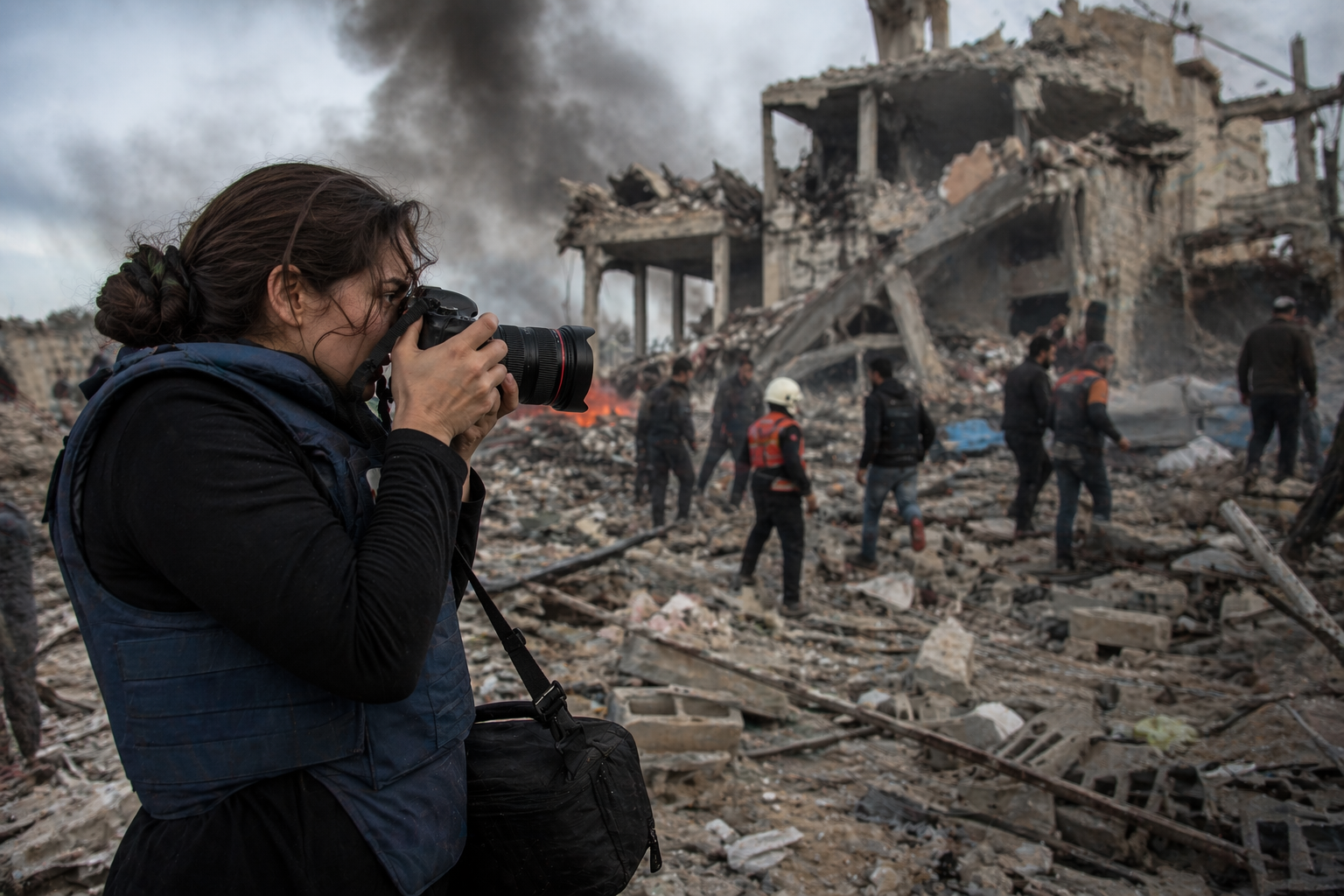
According to Lebanese authorities, the strike targeted a residential building in al-Tiri, a town located near the Israeli border. Rescue operations were complicated by continued military activity, including what responders described as a “warning strike,” which temporarily forced emergency teams to withdraw.
After several hours, civil defence teams, supported by the Lebanese army, were able to recover Khalil’s body from beneath the rubble. Several others were also killed in the strike, while at least one journalist—identified as freelance photographer Zeinab Faraj—was injured and rushed to a nearby hospital.
The attack has raised urgent concerns about the effectiveness of the current ceasefire and whether civilians and media personnel are being adequately protected.
Who Was Amal Khalil?
Amal Khalil was a seasoned correspondent working for the Lebanese daily Al-Akhbar. Known for her on-ground reporting, she had been actively covering the ongoing conflict in southern Lebanon since its escalation earlier this year.
Khalil had also reported extensively during previous rounds of fighting between 2023 and 2024, earning recognition for her frontline coverage. Her presence in high-risk zones reflected her commitment to documenting the realities of war, often at great personal risk.
Her death has sent shockwaves through the journalism community, with many calling it a stark reminder of the dangers faced by reporters in active conflict areas.
Lebanon Calls It a ‘Grave Crime’
Lebanon’s Information Minister Paul Morcos strongly condemned the strike, accusing Israel of deliberately targeting a journalist.
In a statement, Morcos described the incident as a “grave crime” and a “blatant violation of international humanitarian law,” emphasizing that Khalil was killed while performing her professional duties.
Lebanese officials argue that targeting journalists constitutes a serious breach of global norms and have called for an international investigation into the incident.
Israel Denies Targeting Journalists
The Israeli military has rejected allegations that it intentionally targeted journalists. In its statement, the army said it had identified “two vehicles” departing from a structure allegedly used by Hezbollah.
According to Israeli officials, the individuals were assessed as posing an “imminent threat” and violating ceasefire agreements. The military stated that it first struck one vehicle and later targeted the structure where the individuals had fled.
Israel acknowledged reports that journalists were among those affected but maintained that it does not restrict rescue operations and was not aware of journalists being specifically targeted.
Ceasefire Under Threat
The strike has raised serious questions about the viability of the ceasefire, which was intended to de-escalate tensions following weeks of cross-border hostilities.
The involvement of the United Nations Interim Force in Lebanon (UNIFIL) highlights ongoing international efforts to stabilize the region. However, incidents like this risk undermining those efforts and reigniting broader conflict.
Observers warn that continued violations—whether intentional or accidental—could quickly unravel the already fragile truce.
Global Concern Over Journalist Safety
The killing of Amal Khalil adds to growing global concern over the safety of journalists in war zones. International organizations have repeatedly emphasized that media personnel must be protected under international law, even during active conflicts.
As calls for accountability grow louder, the incident is likely to intensify diplomatic tensions and put further pressure on all parties to uphold ceasefire commitments.
Conclusion
The death of Amal Khalil marks a tragic moment in an already volatile conflict. With both sides presenting conflicting narratives, the truth behind the strike remains contested.
What is clear, however, is that the incident has deepened mistrust, threatened a fragile peace, and once again highlighted the human cost of war—particularly for those risking their lives to report it.