
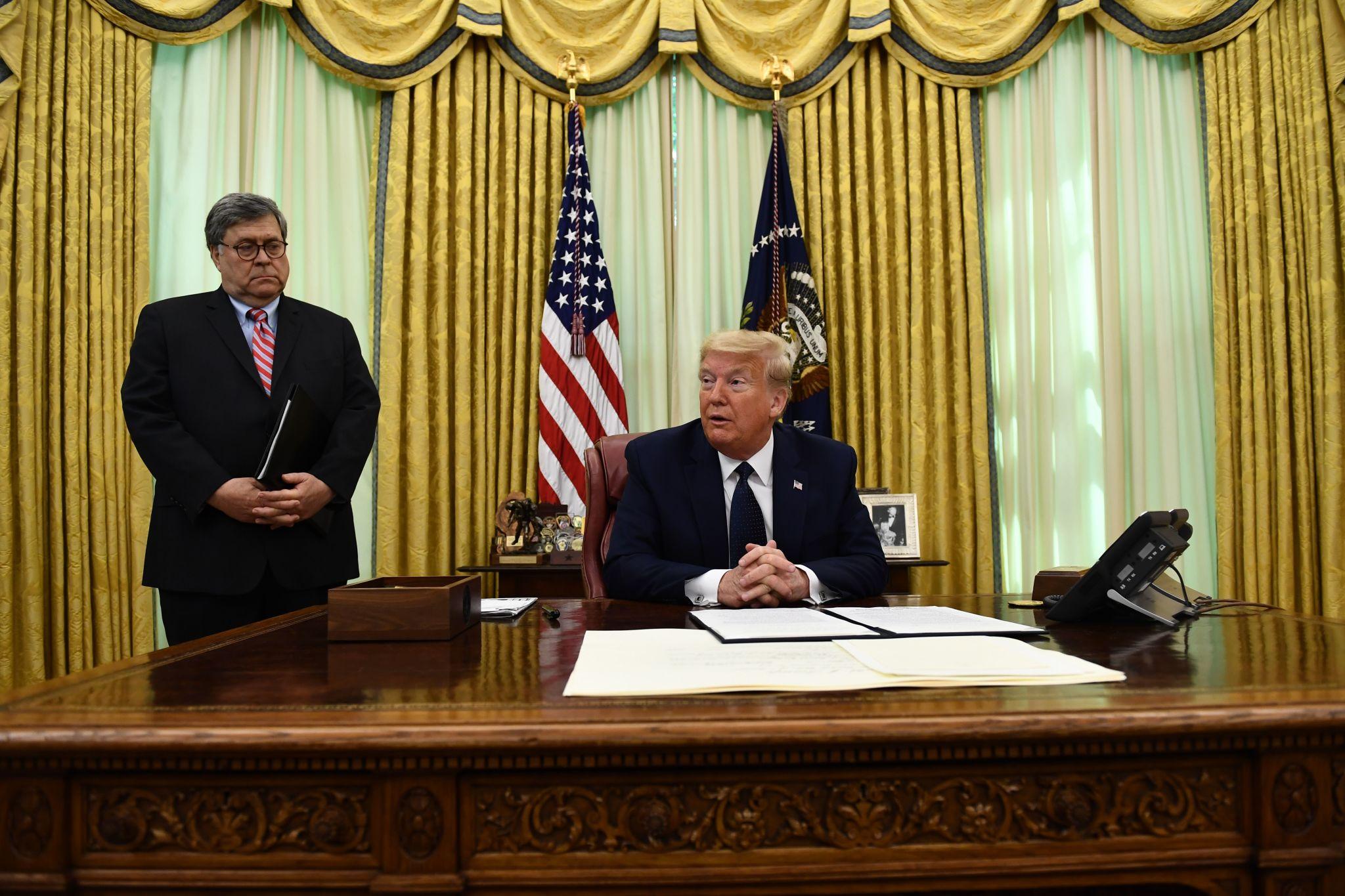
In a dramatic geopolitical development, former U.S. President Donald Trump заявил that the United States has barred Israel from carrying out further airstrikes in Lebanon, marking a rare moment of public friction between the two long-standing allies.
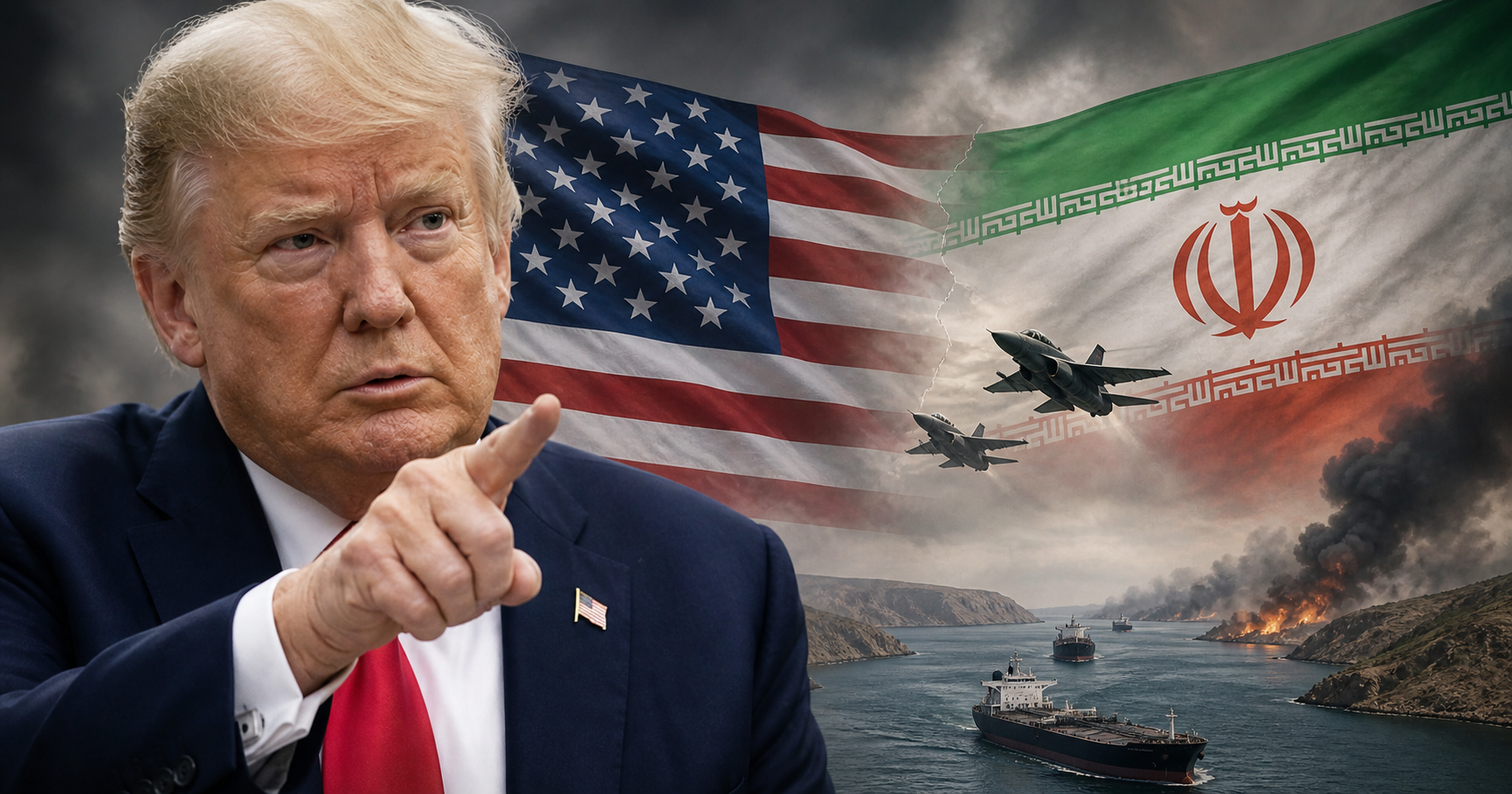
Posting on social media, Trump declared, “Israel will not be bombing Lebanon any longer. They are PROHIBITED from doing so by the USA. Enough is enough!!!”
His remarks came shortly after a U.S.-backed ceasefire between Israel and Lebanon took effect, bringing a halt to weeks of escalating violence.
Ceasefire Ends Weeks of Deadly Conflict
The ceasefire, which began at 2100 GMT on Thursday, ended a prolonged period of hostilities that started on March 2. The conflict escalated after Hezbollah launched attacks on northern Israel, prompting a strong Israeli military response.
Lebanese authorities report that the fighting resulted in over 2,000 deaths, underscoring the severe humanitarian toll of the conflict.
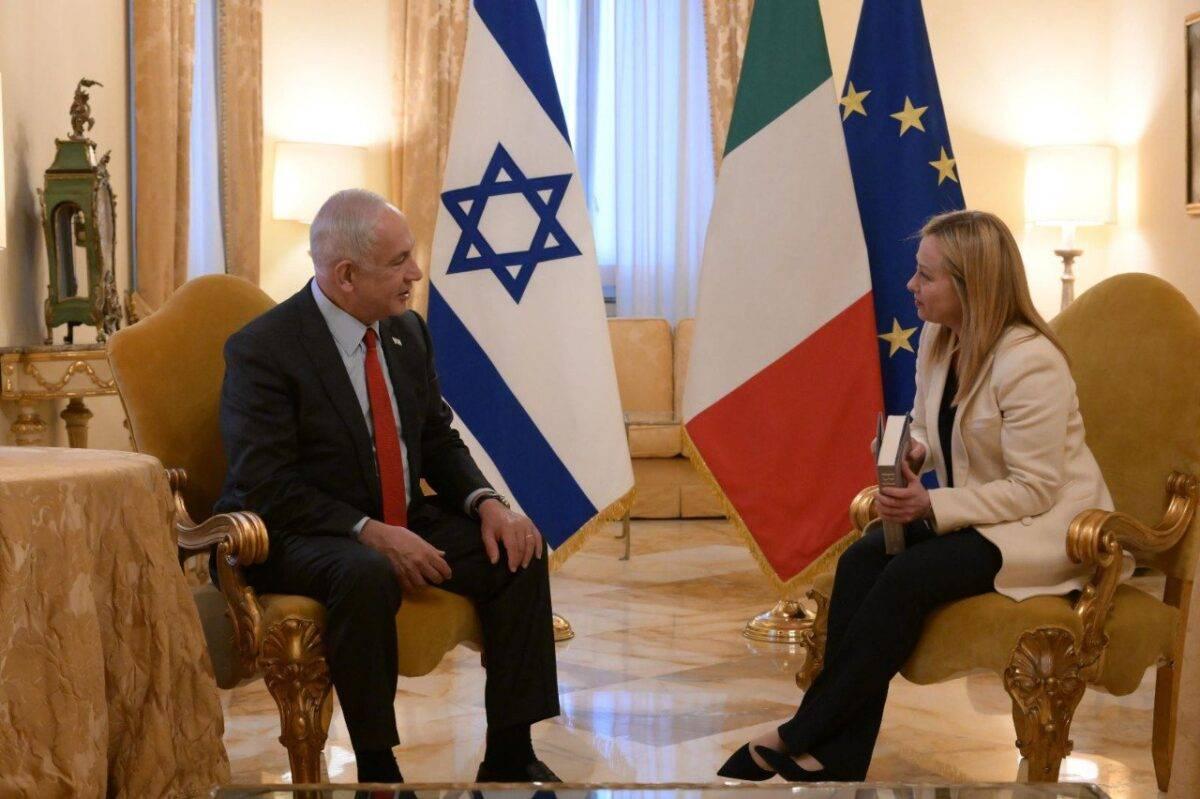
Despite the ceasefire, Israeli Prime Minister Benjamin Netanyahu indicated that Israeli forces would remain stationed in southern Lebanon to counter ongoing threats, including rockets and drone attacks.
US Draws a Clear Line
Trump’s statement signals a tougher U.S. stance in managing its ally’s military actions in the region. While the United States has historically supported Israel’s right to defend itself, the explicit prohibition on further bombing represents a notable shift.
At the same time, Trump clarified that ongoing U.S. negotiations with Iran are not linked to the Lebanon situation, emphasizing a broader and more complex regional strategy.
Iran, Strait of Hormuz, and Rising Stakes
The announcement also comes amid heightened tensions with Iran. Tehran recently confirmed that the Strait of Hormuz—a critical global oil route—has been reopened following a period of disruption during the conflict.
Trump claimed that Iran has agreed to never close the strait again, stating it would no longer be used as a geopolitical weapon. However, the U.S. naval blockade targeting Iranian vessels remains in place until a final agreement is reached.
The strait is a vital artery for global energy supply, carrying nearly a fifth of the world’s oil and liquefied natural gas.
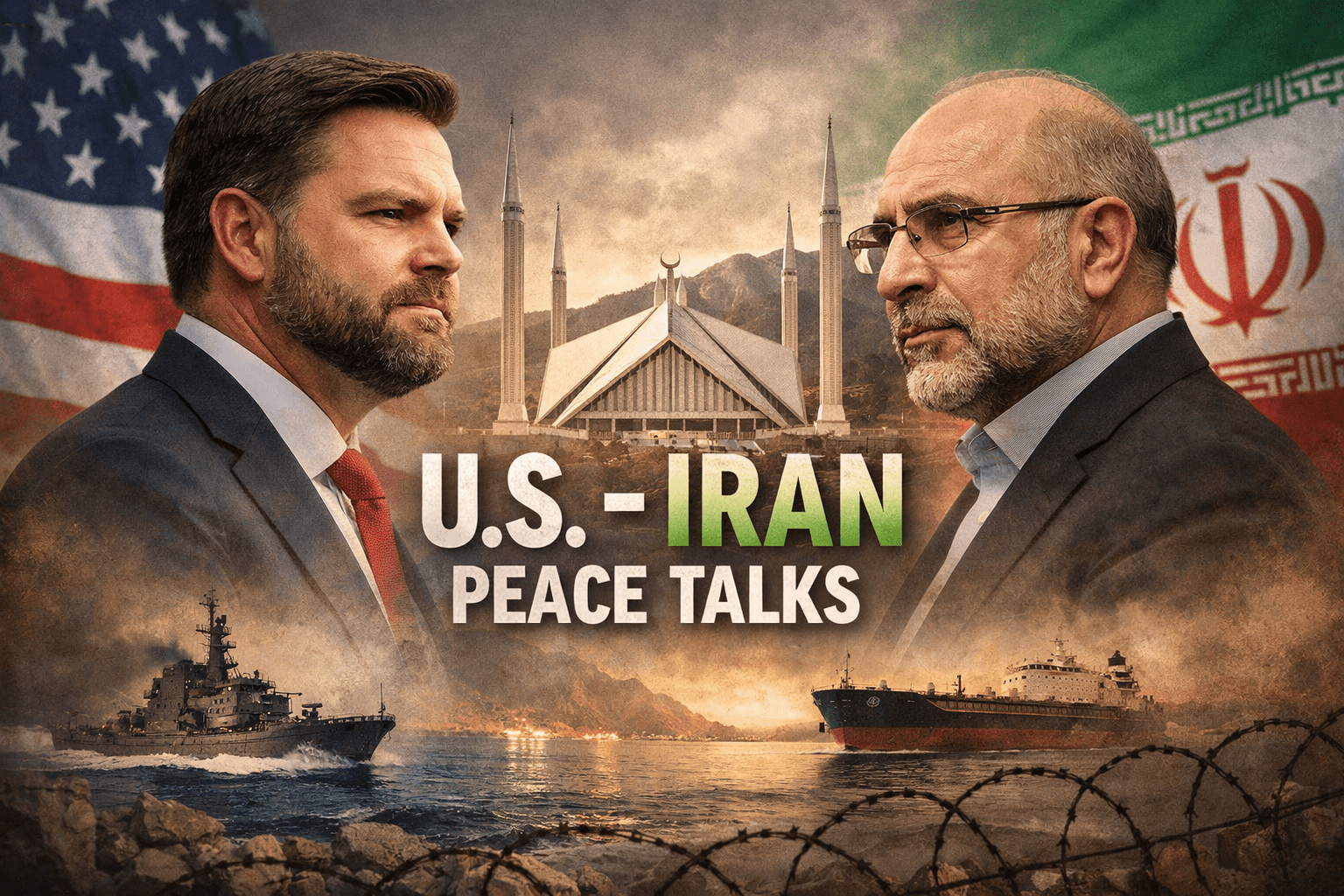
US-Iran Deal May Be Near
Trump suggested that a broader deal with Iran could be finalized soon, noting that most major issues have already been negotiated. A key objective of the agreement is to prevent Iran from developing nuclear weapons.
Iran, however, continues to maintain that its nuclear program is intended solely for peaceful purposes.
NATO Kept at Arm’s Length
In another surprising move, Trump revealed that he had declined an offer from NATO to assist in the situation. He criticized the alliance, calling it ineffective during critical moments, and instead acknowledged support from Gulf allies such as Saudi Arabia, the UAE, and Qatar.
A Fragile Peace in a Volatile Region
While the ceasefire between Israel and Lebanon offers temporary relief, the situation remains highly volatile. Israeli forces continue to hold positions in southern Lebanon as a buffer against Hezbollah, and regional tensions involving Iran persist.
Trump’s strong rhetoric and decisive statements highlight a rapidly evolving geopolitical landscape, where alliances are being tested and strategic priorities are shifting.