



India has managed to secure approximately 6 million barrels of Iranian crude oil just as tensions escalate again in the strategically critical Strait of Hormuz. The shipments arrived days before the expiration of a temporary U.S. sanctions waiver, highlighting India’s calculated move to safeguard its energy needs amid geopolitical uncertainty.
Three Tankers, One Strategic Window
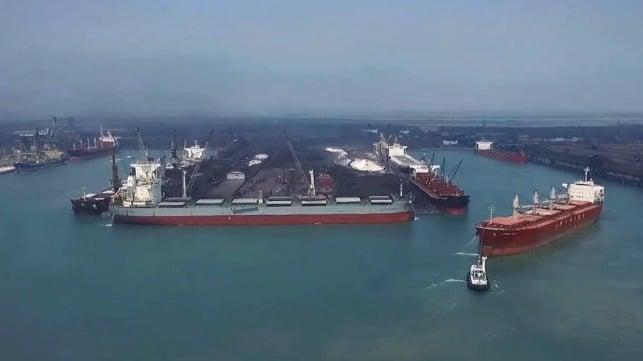
The latest shipment was carried by the Iranian Very Large Crude Carrier (VLCC) DORENA, which reached India’s southern coast on April 18. According to reports cited by Iran’s consulate and Fars News Agency, the tanker transported around 2 million barrels of crude oil.
This marks the third Iranian tanker to arrive in India within a week:
- MT Jaya delivered 2 million barrels to Paradip Port in Odisha, primarily for Indian Oil Corporation
- MT Felicity brought another 2 million barrels to Sikka Port in Gujarat, likely for refiners such as Reliance Industries
- DORENA completed the trio, taking the total to 6 million barrels
These deliveries were made possible under a temporary U.S. sanctions waiver that allowed previously stranded Iranian oil shipments to reach buyers.
Hormuz Blockade Returns
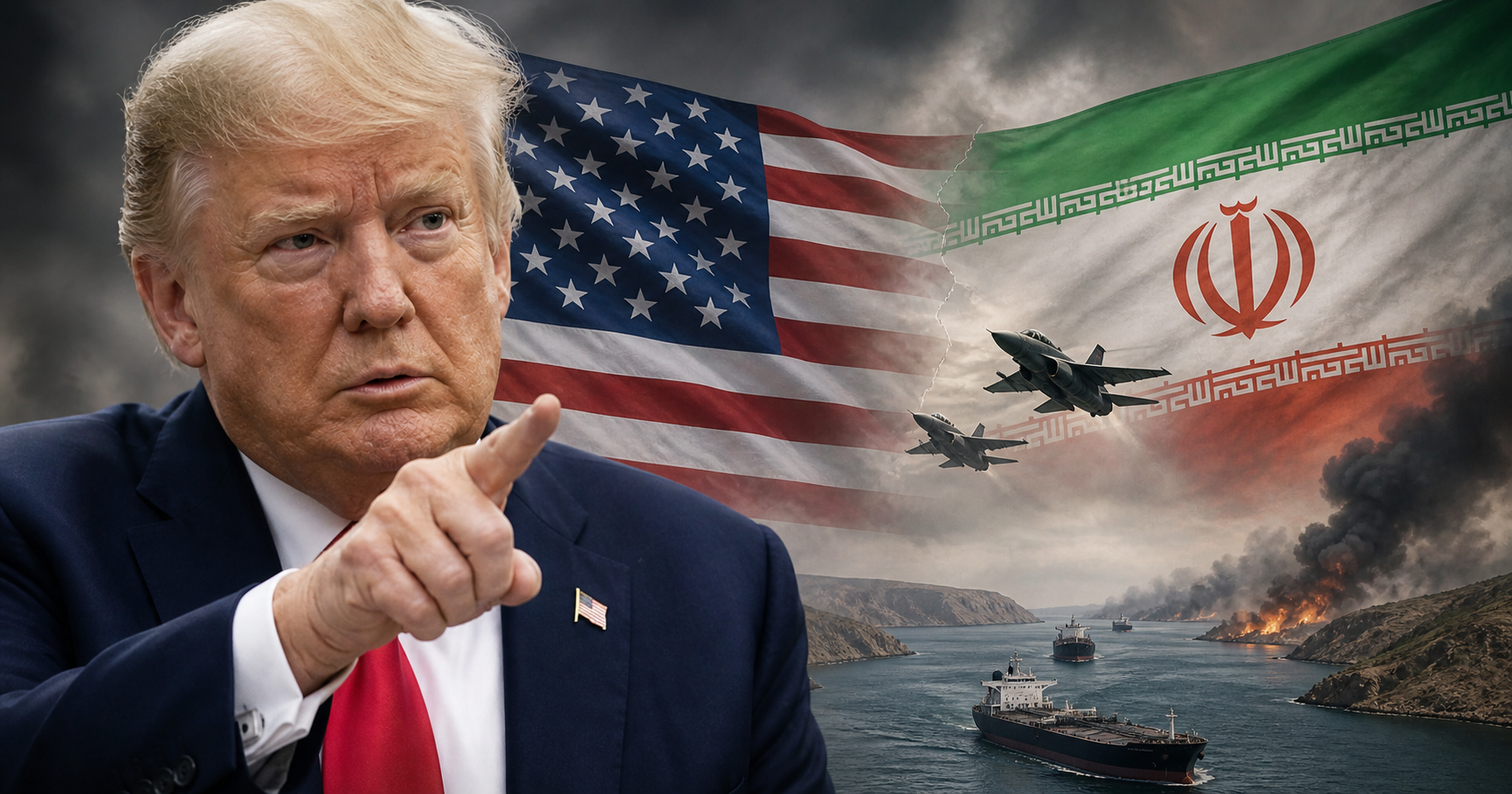
The timing of these arrivals is critical. The Strait of Hormuz—through which nearly a fifth of the world’s oil supply flows—briefly reopened but has now been placed back under Iranian control.
Iran’s military announced that the strait has returned to its previous status under “strict management,” citing ongoing U.S. restrictions on Iranian ports. The renewed blockade has once again disrupted global oil shipping routes, raising concerns about supply constraints and price volatility.
For India, which imports over 80% of its crude oil needs, access to the Strait of Hormuz is vital. The quick arrival of these tankers before the blockade tightened reflects a strategic effort to avoid supply shocks.
Sanctions Deadline Adds Pressure
The shipments also come just ahead of the April 19 deadline for the U.S. sanctions waiver. This waiver temporarily allowed the delivery of Iranian oil that was already in transit or stranded at sea.
With the waiver set to expire, future imports from Iran could face significant legal and financial hurdles unless new exemptions are granted. This creates uncertainty for Indian refiners that have historically relied on Iranian crude due to favorable pricing and payment terms.
Geopolitical Ripple Effects
The situation underscores the fragile balance in West Asia, where ongoing tensions between Iran and the United States continue to impact global energy markets. The reimposition of the Hormuz blockade could lead to:
- Rising global oil prices due to restricted supply routes
- Shipping disruptions affecting multiple countries dependent on Gulf oil
- Increased geopolitical risk premiums in energy markets
India’s move to secure oil ahead of the deadline reflects not only economic foresight but also the broader challenges nations face in navigating sanctions and conflict-driven disruptions.
Strategic Takeaway
India’s successful import of 6 million barrels of Iranian oil highlights its ability to act swiftly in a volatile geopolitical environment. However, the reimposition of the Hormuz blockade and the end of the sanctions waiver signal tougher days ahead for energy security.
As global tensions persist, India—and other major oil importers—may need to diversify supply sources and strengthen strategic reserves to cushion against future disruptions.