

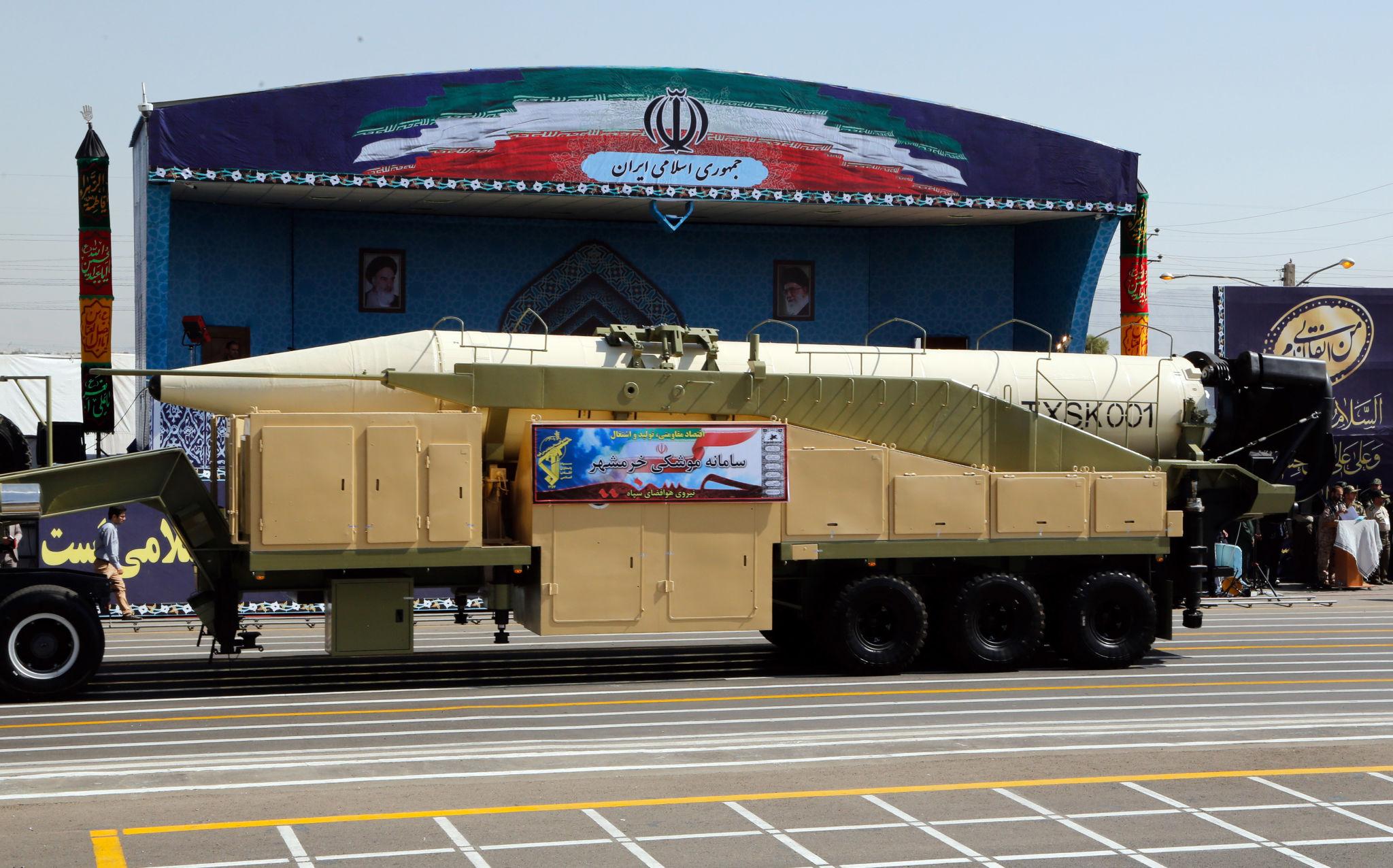







In a significant shift in military strategy, the United States has begun deploying advanced Ukrainian counter-drone technology at a key airbase in Saudi Arabia, following a series of Iranian drone and missile attacks that exposed critical vulnerabilities in U.S. air defenses.
Rising Threat from Iranian Drone Warfare
The move comes after repeated waves of Iranian-backed drone and missile strikes targeted Prince Sultan Air Base, located roughly 640 kilometers from Iran. These attacks have caused substantial damage, including the destruction of a U.S. E-3 AWACS radar aircraft, damage to refueling tankers, and the death of at least one service member.
Military analysts say these incidents highlight long-standing weaknesses in U.S. air defense systems, especially against low-cost, mass-produced drones that have become a defining feature of modern warfare.
Ukrainian Technology Steps In
To counter this growing threat, the U.S. military has quietly introduced a Ukrainian-developed command-and-control platform called Sky Map at the base.
Originally developed during Ukraine’s war with Russia, Sky Map integrates data from sensors, radars, and acoustic detection systems to identify incoming drones and coordinate counterattacks in real time. Ukrainian specialists have reportedly been deployed to train U.S. personnel on the system.
Ukraine’s battlefield experience has allowed it to rapidly innovate in drone warfare, making its technologies some of the most advanced and combat-tested in the world.
A Shift Despite Earlier Rejection
Interestingly, this deployment comes just weeks after former U.S. President Donald Trump publicly dismissed Ukraine’s offer to assist in drone defense, stating, “We don’t need their help.”
However, the severity of recent attacks appears to have prompted a reconsideration within the Pentagon, which is now actively integrating foreign-developed solutions to strengthen its defenses.
Multi-Layered Defense Strategy
The U.S. is not relying on a single solution. Instead, a layered defense approach is being implemented at Prince Sultan Air Base, including:
- Sky Map for detection and coordination
- FAAD (Forward Area Air Defense) system by Northrop Grumman for tracking threats
- Coyote interceptors by RTX to neutralize incoming drones
- Experimental systems like Merops interceptor drones
Despite these efforts, officials acknowledge that there is no “silver bullet” capable of stopping all drone threats, emphasizing the need for a combination of technologies.
Challenges and Early Setbacks
While promising, the deployment has not been without issues. During recent testing, one interceptor drone reportedly lost control and crashed into a structure within the base, underscoring the complexity of integrating new systems in active combat zones.
Pentagon Boosts Investment
In response to the escalating threat, the Pentagon has committed $350 million toward counter-drone initiatives under Operation Epic Fury. This includes investments in sensors, cameras, and interception technologies aimed at strengthening defenses across multiple regions.
The Bigger Picture
The adoption of Ukrainian technology marks a broader shift in global military dynamics. It signals that battlefield innovation is no longer dominated solely by traditional superpowers, but also by nations actively engaged in modern warfare.
Experts warn that drone warfare will continue to evolve rapidly, forcing militaries worldwide to adapt or risk falling behind.
Conclusion
The deployment of Ukrainian counter-drone systems at a critical U.S. base highlights both the urgency of the threat and the evolving nature of modern combat. As drones become cheaper, smarter, and more widespread, the ability to detect and neutralize them will be a decisive factor in future conflicts.
For the United States, embracing proven foreign technology may be less about choice—and more about necessity.