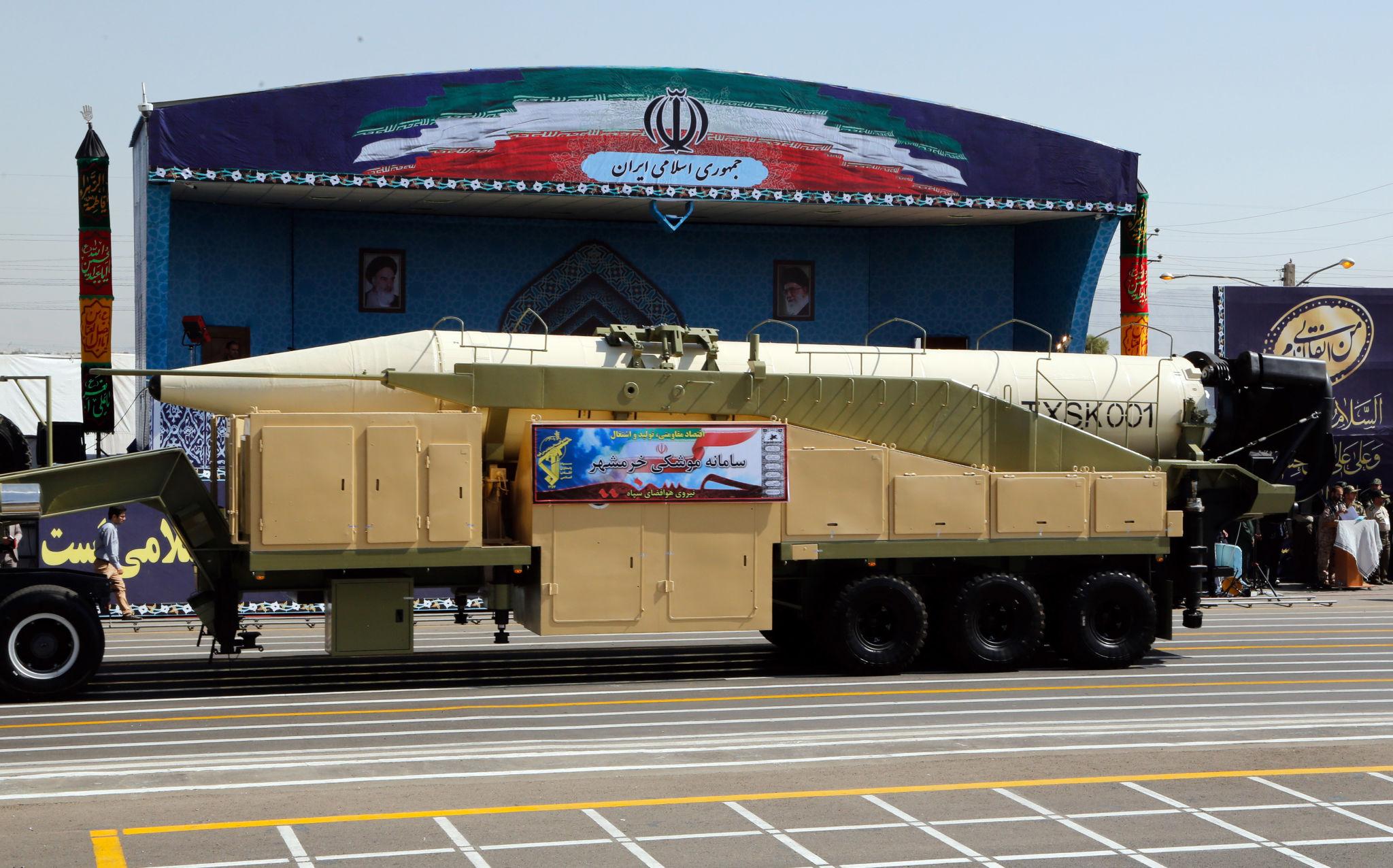
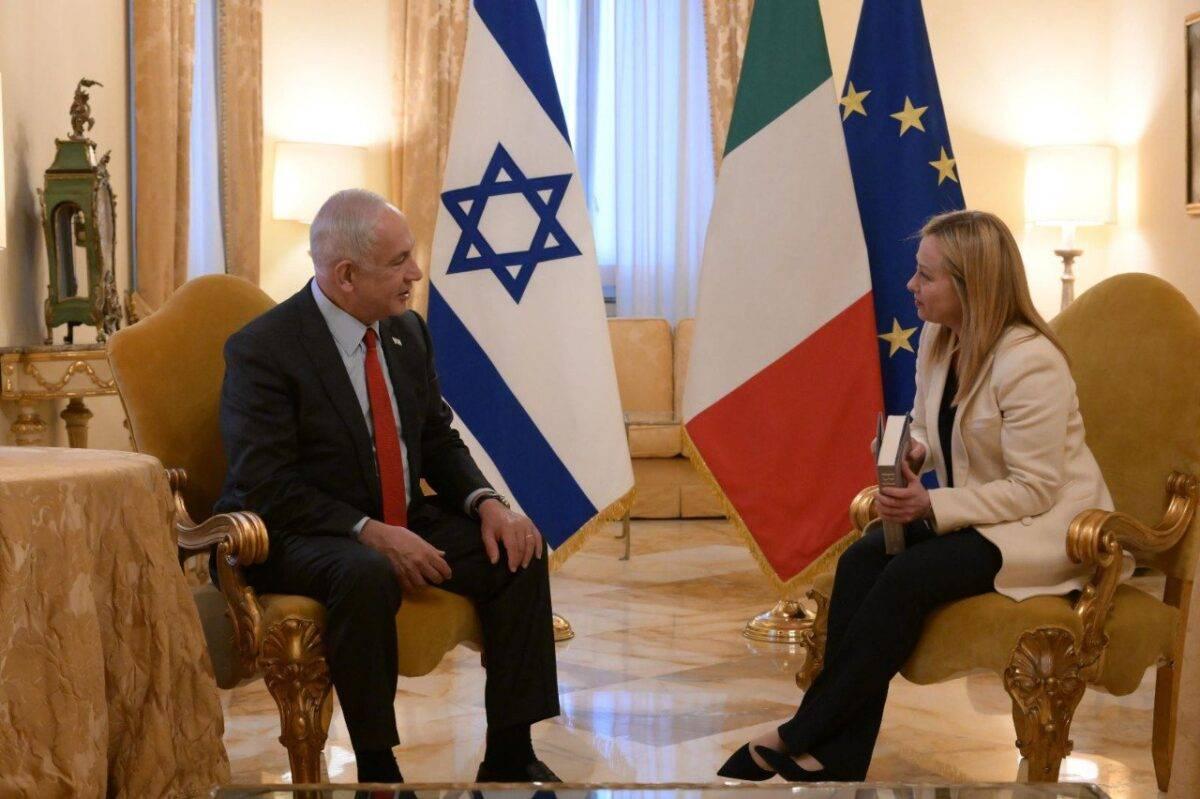
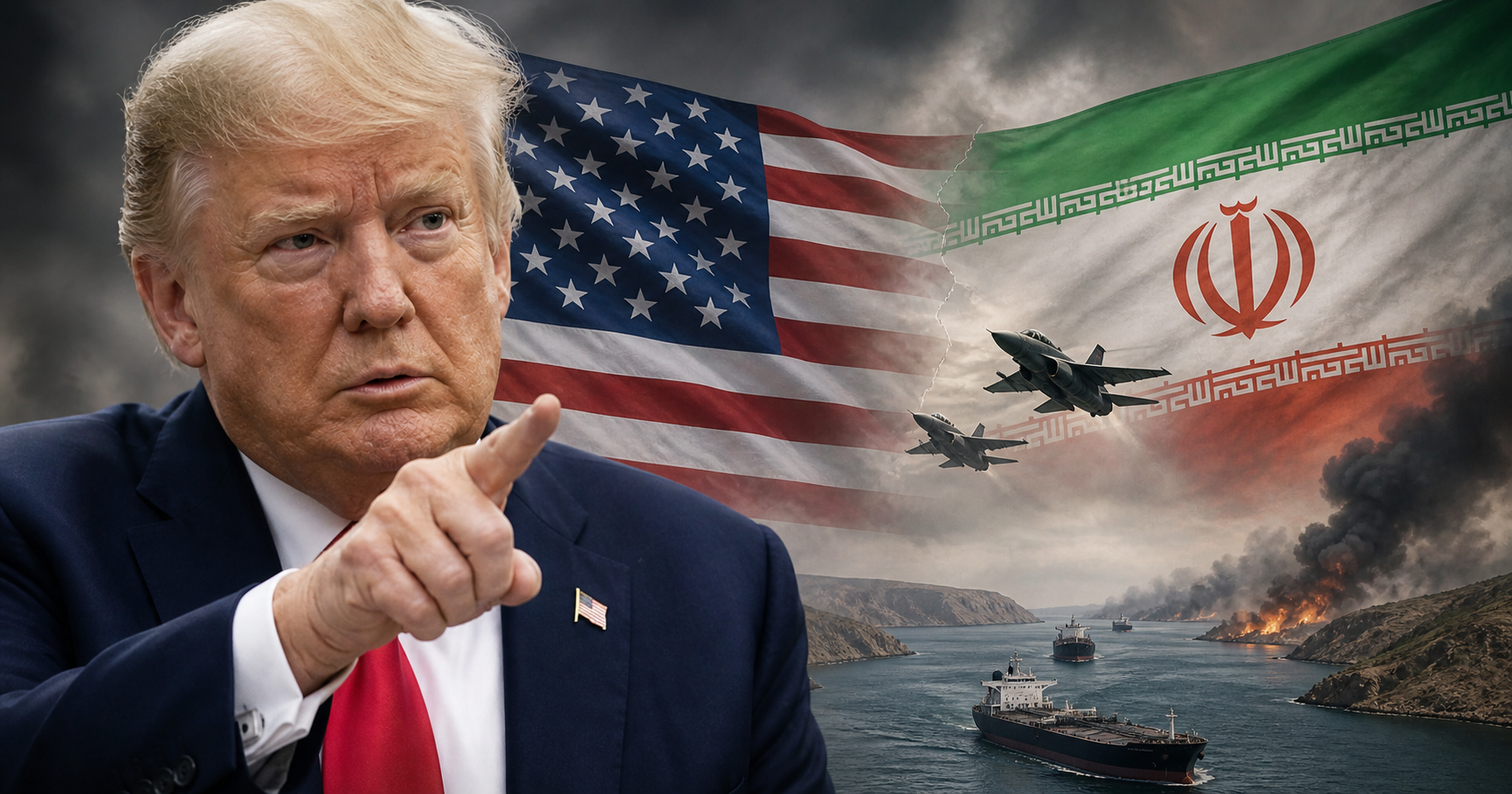

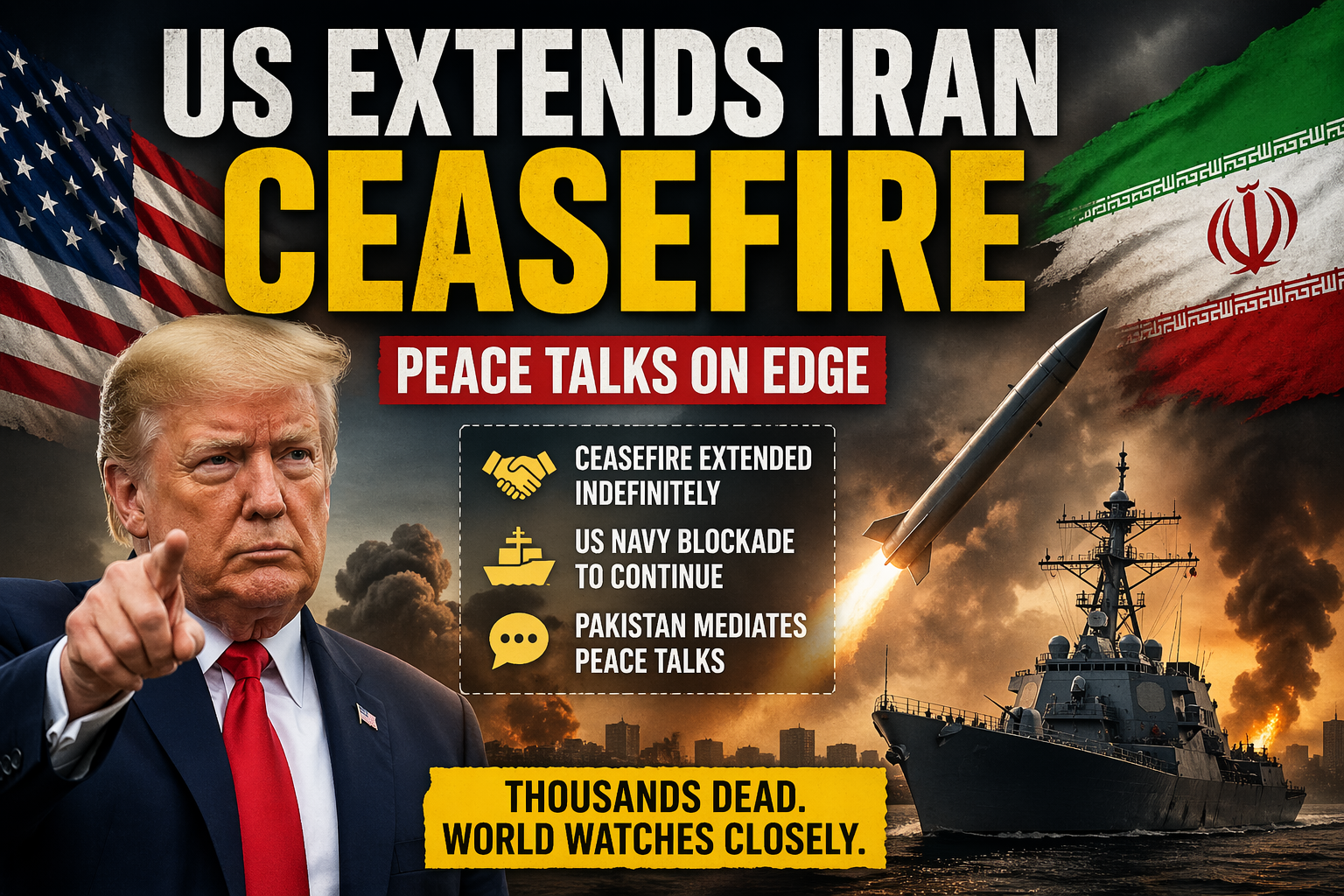
In a dramatic geopolitical development, Donald Trump has announced an indefinite extension of the ceasefire with Iran, signaling a temporary pause in escalating hostilities—but leaving the future of peace talks hanging in uncertainty.
The decision comes at a critical moment, as global tensions, economic instability, and ongoing military pressure continue to shape the conflict.
Ceasefire Extended — But Not Fully Agreed
The ceasefire extension, reportedly requested by Pakistani mediators, aims to provide more time for diplomatic negotiations. However, the move appears unilateral, with no clear confirmation from Iran or Israel.
Initial reactions from Tehran suggest skepticism. Iranian officials have denied requesting any extension and hinted that the announcement could be a strategic maneuver rather than a genuine peace effort.
US Maintains Naval Blockade
Despite pausing direct military strikes, the United States has made it clear that its naval blockade on Iran will continue—a move Iran considers an act of war.
This blockade has already led to:
- Seizure of Iranian vessels
- Rising tensions in the Strait of Hormuz
- Increased risk of military escalation
Iran has strongly condemned these actions, calling them “piracy at sea” and “state terrorism.”
Global Impact: Economy and Energy at Risk
The ongoing conflict has triggered massive global consequences:
- Over 5,000 civilian deaths across the region
- Hundreds of thousands displaced
- Disruption in global oil supply chains
- Oil prices nearing $100 per barrel
The near shutdown of the Strait of Hormuz—a critical oil transit route—has fueled fears of a global economic slowdown or recession.
Peace Talks on the Brink
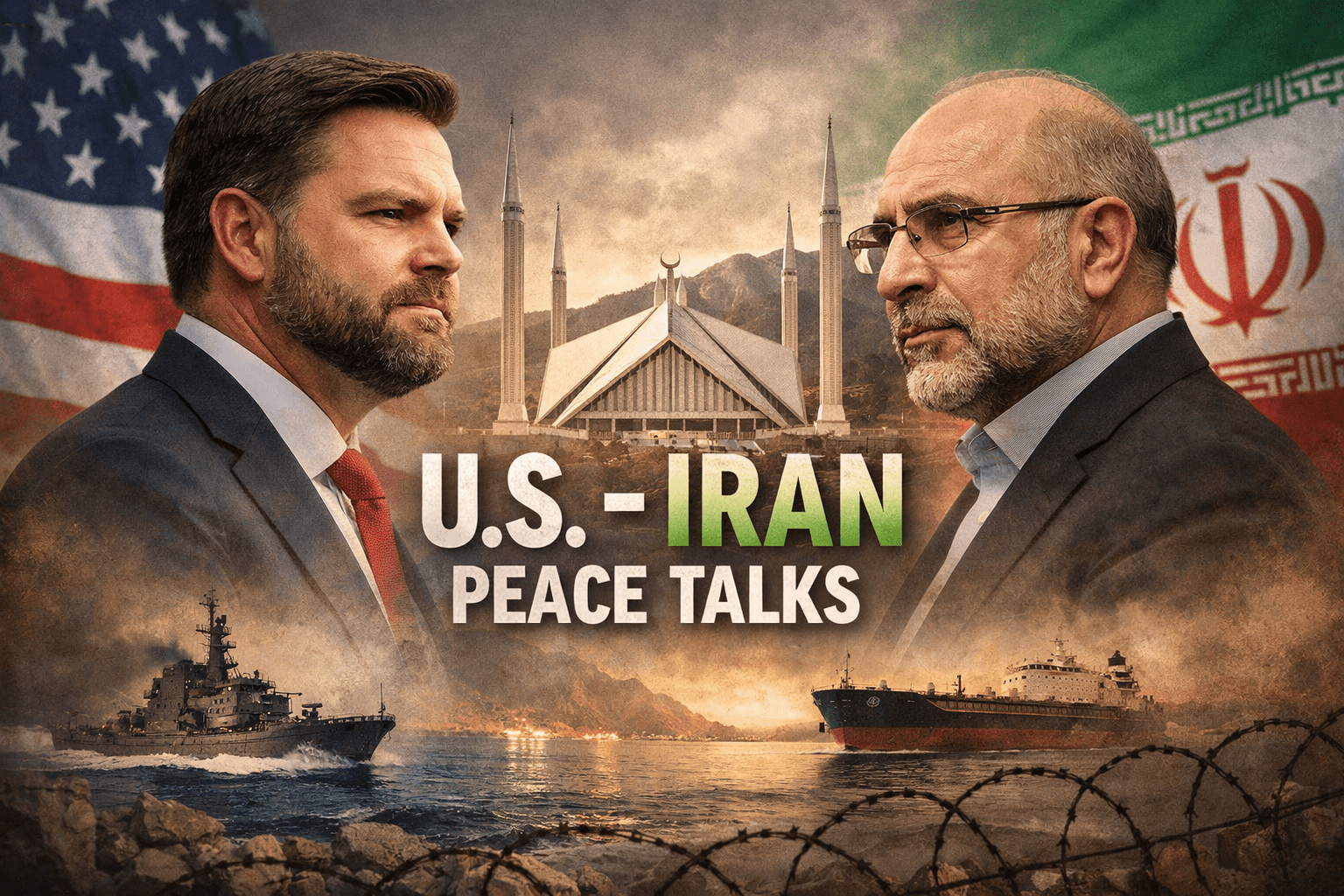
Peace negotiations, hosted in Islamabad, are facing serious hurdles:
- No agreement reached in previous talks
- Iran demanding an end to US pressure tactics
- Focus remains on Iran’s nuclear program
While the US insists on restricting Iran’s uranium enrichment capabilities, Iran maintains its program is purely civilian and within its sovereign rights.
Even the participation of JD Vance remains uncertain, further clouding the future of diplomacy.
Mixed Signals from Washington
Trump’s approach has been marked by contrasting rhetoric—from aggressive threats to calls for peace. While he recently stepped back from plans to target Iran’s infrastructure, he also warned that lifting the blockade could weaken US negotiating power.
This dual strategy has raised concerns among global leaders, including António Guterres, who emphasized that attacks on civilian infrastructure violate international law.
What’s Next?
The situation remains highly volatile:
- Ceasefire is in place—but fragile
- Blockade continues—escalating tensions
- Peace talks—uncertain and fragile
The world now watches closely as diplomacy struggles to keep pace with military pressure.
Conclusion
The extension of the ceasefire offers a brief window of hope, but without mutual agreement and trust, it risks becoming just another pause in a prolonged conflict.
Whether this leads to a lasting peace—or a renewed escalation—depends on what happens next in the negotiation rooms of Islamabad.