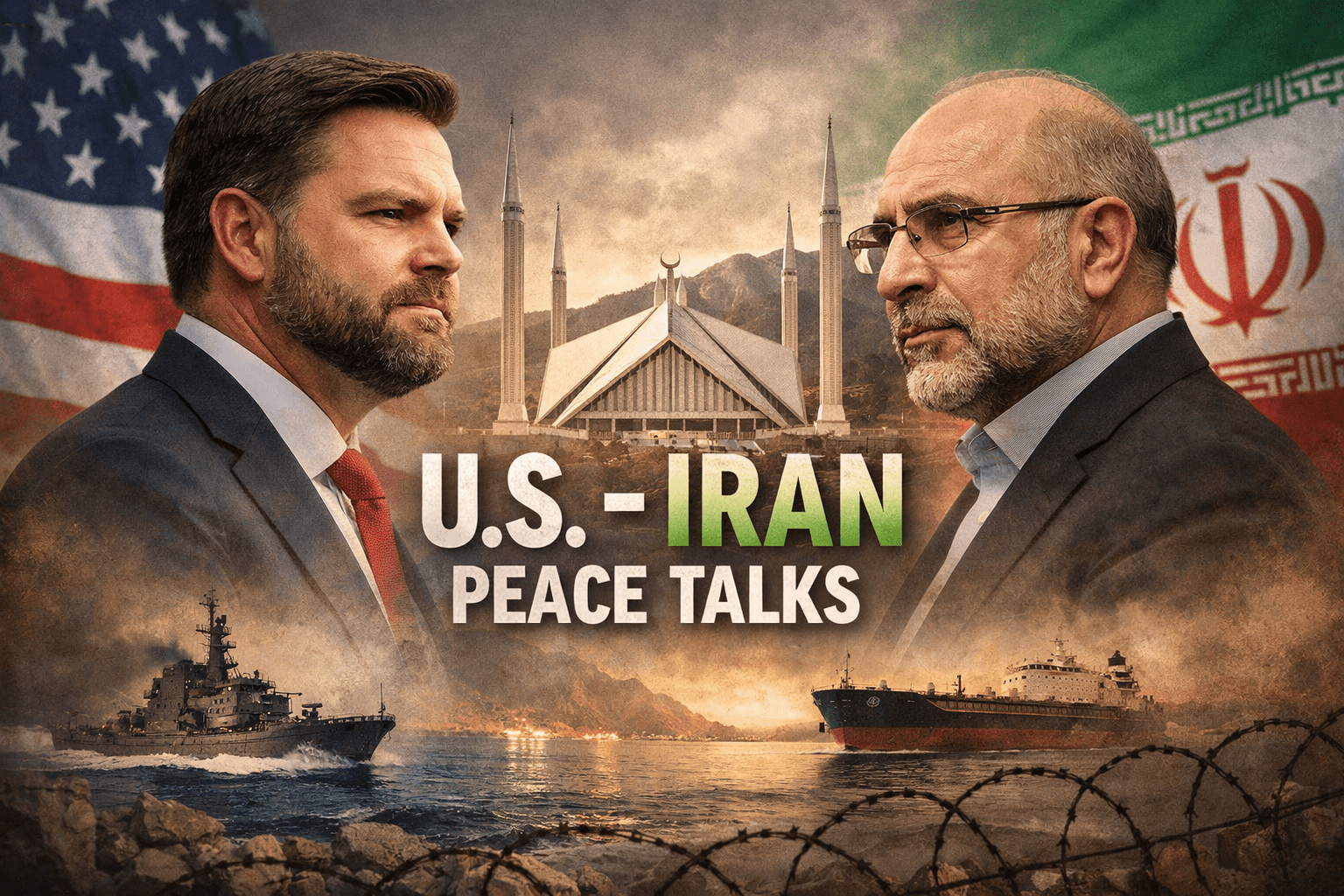


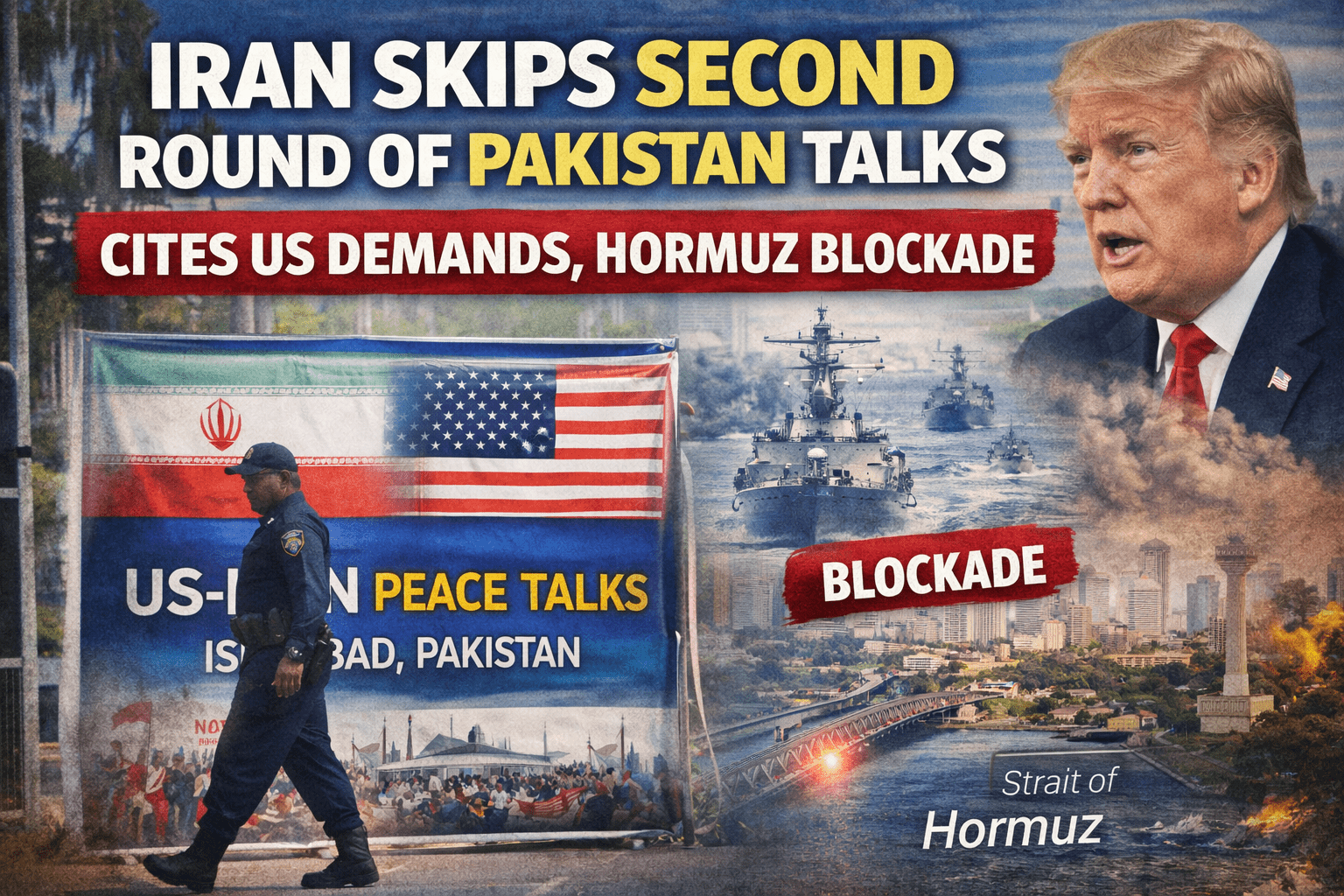
Iran has signaled a major setback in diplomatic efforts with the United States, announcing it will skip the second round of planned peace talks in Pakistan, citing what it described as “excessive demands” from Washington and the ongoing naval blockade near the Strait of Hormuz.
According to Iran’s state-run media, the decision reflects growing frustration in Tehran over the direction and tone of negotiations following a fragile ceasefire.
Iran Blames U.S. for Breakdown in Talks
Iranian officials, quoted by state news agency IRNA, accused Washington of adopting an inconsistent and aggressive approach to negotiations.
The report highlighted concerns over:
- “Unrealistic and maximalist demands” from the U.S.
- Frequent shifts in Washington’s negotiating stance
- Continued enforcement of a naval blockade, which Iran considers a violation of the ceasefire
Iranian media suggested that under these conditions, there is “no clear prospect of fruitful negotiations.”
However, some reports indicate that Tehran has not completely shut the door. Sources cited by outlets such as Fars and Tasnim described the current atmosphere as “not very positive”, leaving room for a potential reconsideration if conditions change.
Hormuz Blockade Becomes Key Flashpoint
A central sticking point remains the U.S. naval presence around the Strait of Hormuz, a critical global oil transit route.
Iran has made it clear that lifting the blockade on its ports is a key precondition for returning to the negotiating table. The blockade has heightened tensions in the region and raised concerns about global energy supply disruptions.
Trump Pushes for Talks Despite Threats
U.S. President Donald Trump confirmed that a second round of talks is still being planned in Islamabad, expressing confidence that a deal will be reached.
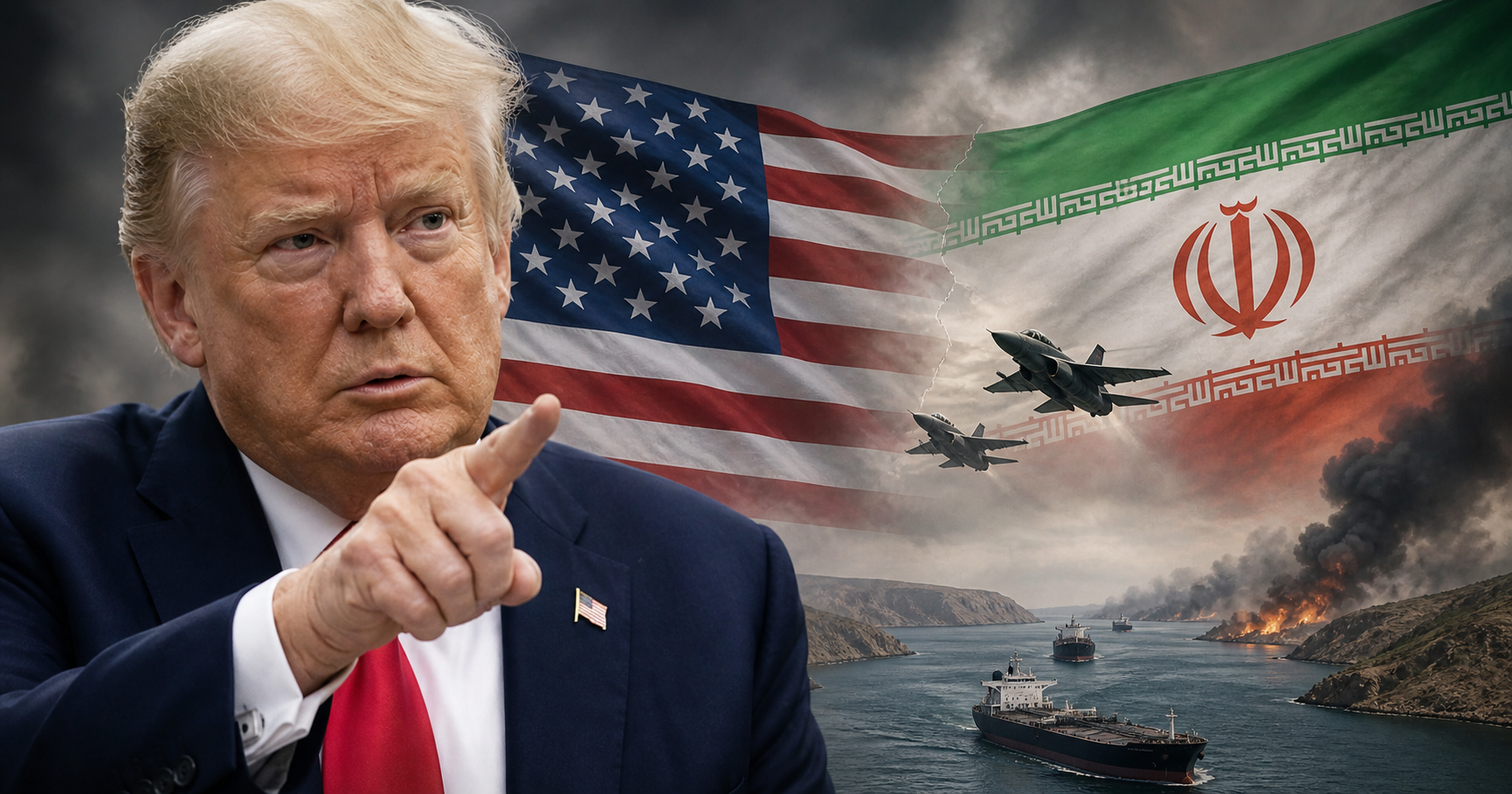
“It will happen. One way or another — the nice way or the hard way,” Trump said in a televised interview, signaling a hardline stance.
In a separate statement, he warned of severe consequences if Iran refuses to cooperate, including potential strikes on critical infrastructure such as power plants and bridges.
Trump also confirmed that Vice President JD Vance, who led the first round of talks, will not attend the upcoming negotiations due to security concerns.
Uncertain Future for Diplomacy
The first round of talks, held earlier in Pakistan, failed to produce a breakthrough despite initial optimism. The latest developments now cast serious doubt over the future of diplomatic engagement between the two countries.
With both sides holding firm positions and tensions escalating, the prospects for a peaceful resolution remain uncertain.
Global Implications Rising
The standoff comes at a time of heightened geopolitical sensitivity, with the Middle East already on edge due to ongoing conflicts and energy security concerns.
Any further escalation—particularly around the Strait of Hormuz—could have significant global economic consequences, especially for oil markets and international trade routes.