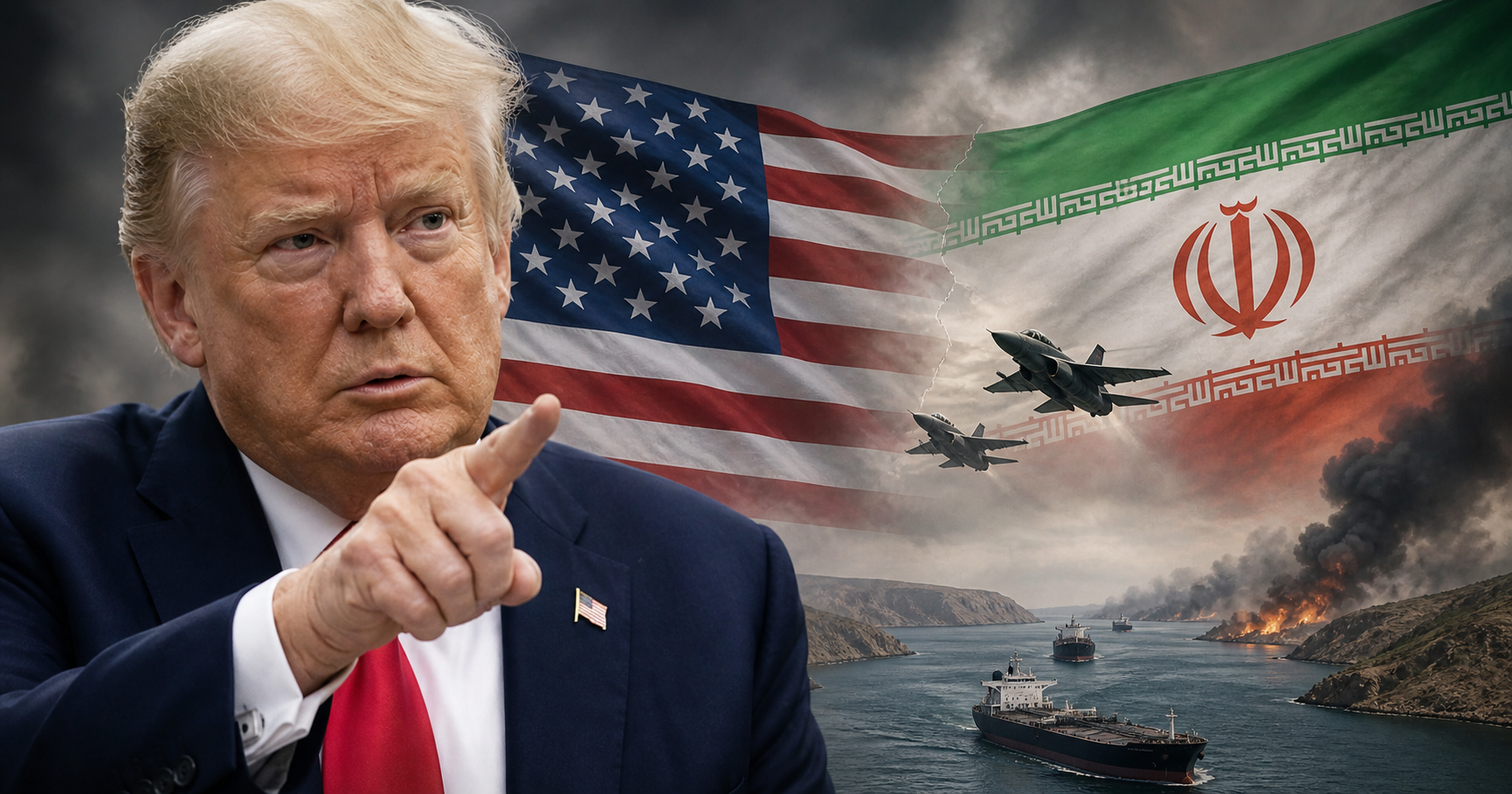



The fragile ceasefire between the United States and Iran is now hanging by a thread as fresh clashes in the Gulf region disrupt one of the world’s most critical oil routes—the Strait of Hormuz. What briefly appeared to be a step toward stability has quickly turned into renewed uncertainty, raising fears of a prolonged conflict that could shake the global economy.
Shipping traffic through the strait has once again stalled after multiple vessels came under fire mid-transit, forcing operators to retreat and suspend operations. The escalation underscores how volatile the situation remains, despite diplomatic efforts to de-escalate tensions.
Ceasefire Violations and Rising Military Tensions
Over the weekend, tensions intensified dramatically. Iran initially declared the Strait of Hormuz open for commercial shipping, briefly lifting market fears and causing oil prices to drop. However, that relief was short-lived.
Within hours, Iran reimposed restrictions after accusing the United States of continuing its naval blockade. The situation worsened when U.S. forces reportedly seized an Iranian container ship in the Gulf of Oman, a move that further inflamed tensions between the two nations.
Washington has labeled Iran’s recent actions as a “total violation” of the ceasefire agreement, while Tehran has pushed back, accusing the U.S. of acting in bad faith and imposing unrealistic demands during negotiations.
The result: a ceasefire that exists more on paper than in reality.
Oil Markets React Instantly
Financial markets wasted no time reacting to the renewed instability. Oil prices surged sharply, reflecting fears of prolonged supply disruption.
- West Texas Intermediate (WTI) jumped over 6%, reaching around $89 per barrel
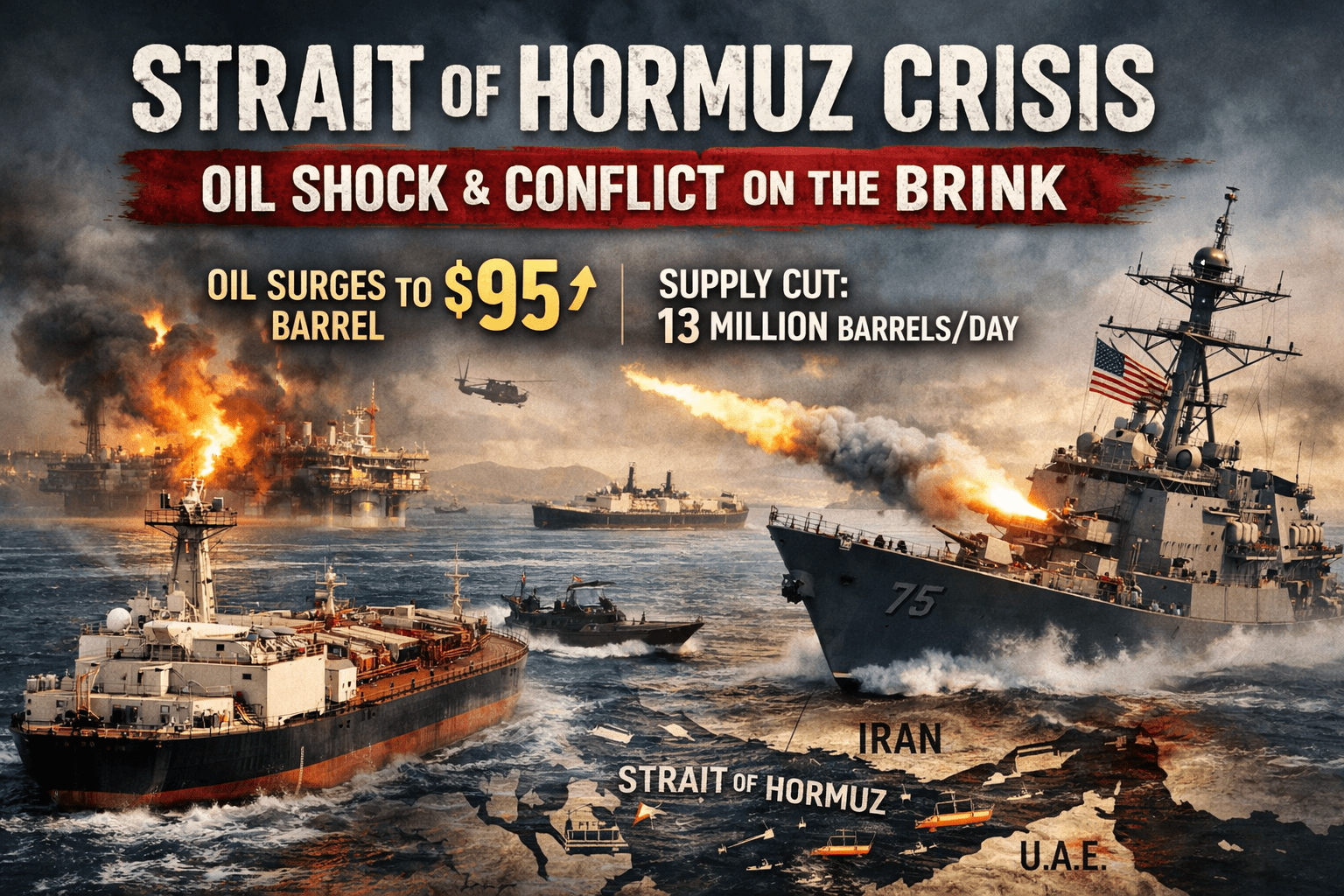
- Brent crude, the global benchmark, climbed to approximately $95.50 per barrel
The Strait of Hormuz is responsible for transporting nearly 20% of the world’s oil supply, making any disruption a direct threat to global energy security. With the route effectively blocked again, traders are pricing in a sustained supply shock.
Experts estimate that roughly 13 million barrels per day of oil production remains shut-in due to ongoing disruptions—an unprecedented figure in modern energy markets.
Shipping Crisis: A Halt in Global Trade Flow
The situation on the ground—or rather, at sea—is equally alarming. After a brief attempt by tankers to resume transit, multiple vessels reportedly came under fire, forcing shipping companies to halt operations entirely.
This has led to a near-complete standstill in maritime traffic through the Gulf, with insurers raising premiums and operators unwilling to risk further losses.
The longer this disruption continues, the greater the impact on global supply chains—not just oil, but also liquefied natural gas (LNG) and other essential commodities that pass through the strait.
Diplomacy Falters as Talks Hang in Balance
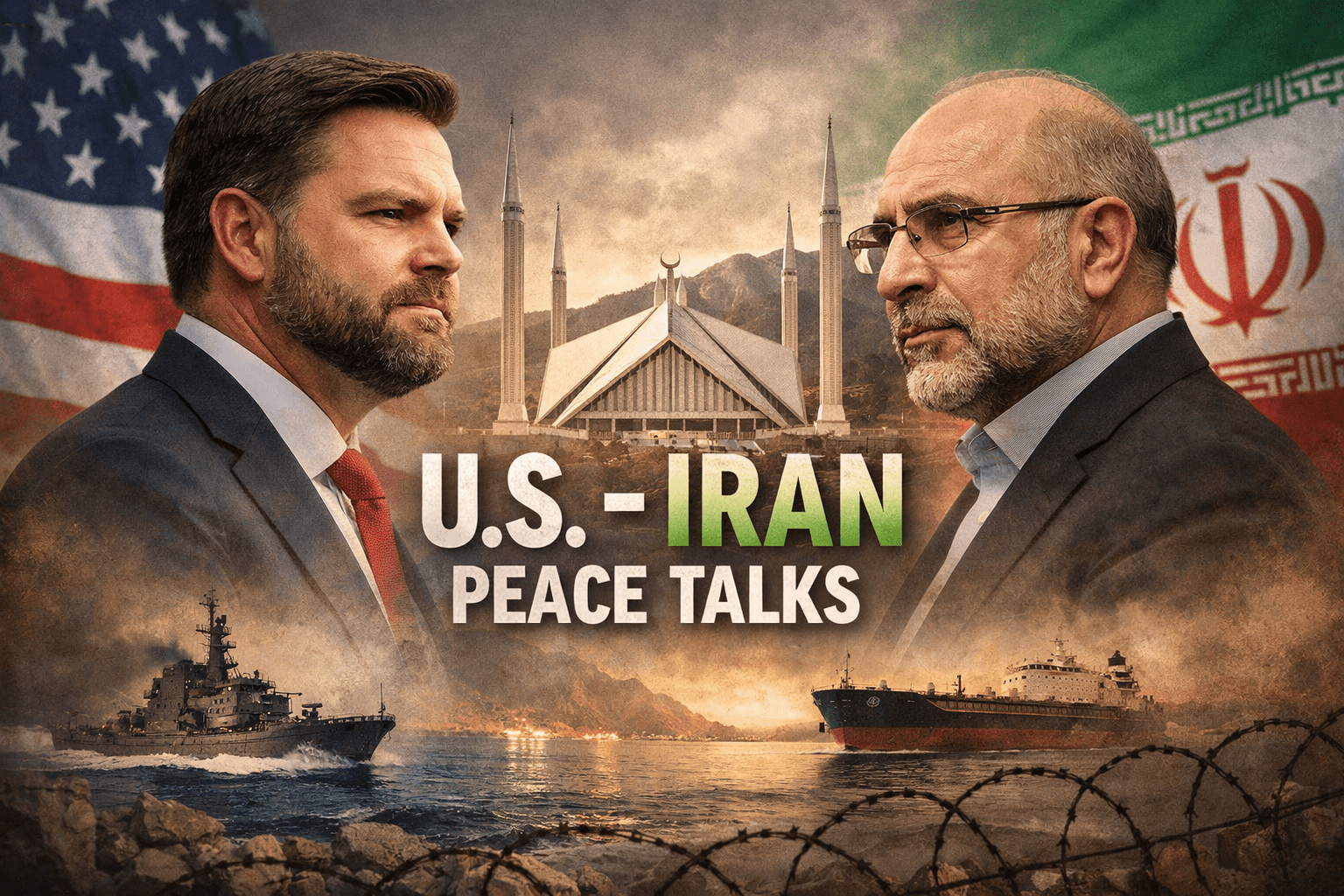
At the heart of the crisis lies a diplomatic deadlock. A second round of talks between U.S. and Iranian officials was expected to take place in Pakistan, but that now appears uncertain.
While U.S. leadership has indicated readiness to resume negotiations, Iran has rejected participation, citing:
- Excessive and unrealistic demands
- Constant shifts in U.S. negotiation stance
- Ongoing military pressure despite ceasefire terms
Earlier talks failed to produce any meaningful breakthrough, particularly over disagreements surrounding Iran’s nuclear program. The U.S. reportedly proposed a long-term pause in uranium enrichment, a condition Tehran firmly rejected.
Analysts warn that without mutual compromise, diplomacy may collapse entirely—opening the door to a full-scale resumption of hostilities.
A Historic Energy Shock
The economic impact of the conflict is already staggering.
- Over 500 million barrels of oil and condensates have been removed from the global market
- The disruption represents one of the largest energy supply shocks in modern history
Even in the best-case scenario—where a deal is reached soon—experts believe it could take months to restore normal supply levels. Infrastructure, logistics, and market confidence all require time to recover.
As a result, oil prices are expected to remain elevated, potentially ranging between $80–$90 per barrel even after initial corrections.
Global Economic Risks Rising
The ripple effects of the Hormuz crisis extend far beyond the energy sector.
Higher oil prices translate directly into:
- Increased transportation and manufacturing costs
- Rising inflation across global economies
- Pressure on central banks and interest rates
The International Monetary Fund (IMF) has already warned that prolonged disruption in the Strait of Hormuz could slow global economic growth, even if a ceasefire technically remains in place.
Market optimism, which initially treated the conflict as a short-term disruption, is now fading. Investors are beginning to realize that the structural impact of this crisis may last far longer than expected.
What Happens Next?
The coming days will be critical.
With the ceasefire set to expire and negotiations in doubt, the world faces two possible paths:
- Diplomatic Breakthrough – A renewed agreement could stabilize markets temporarily, though recovery will be slow
- Return to Conflict – Escalation could trigger further supply disruptions, sending oil prices soaring beyond current levels
For now, uncertainty remains the only certainty.
Conclusion
The Strait of Hormuz crisis is no longer just a regional conflict—it is a global economic threat. As military tensions rise and diplomacy stalls, the world is watching a critical energy lifeline slip deeper into instability.
Whether this situation de-escalates or spirals into a broader conflict will shape not just oil markets, but the trajectory of the global economy in the months ahead.
One thing is clear: the stakes have never been higher.