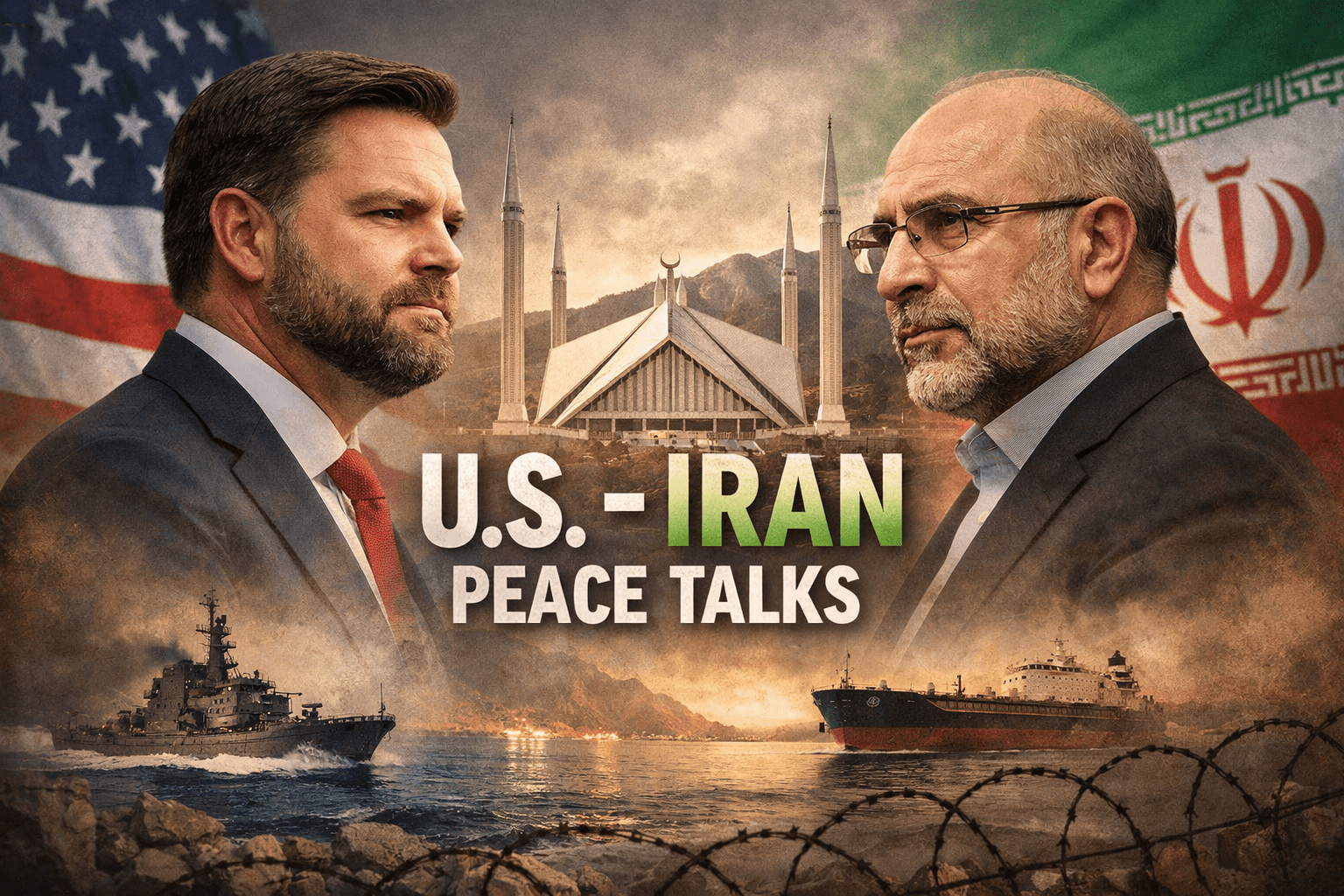
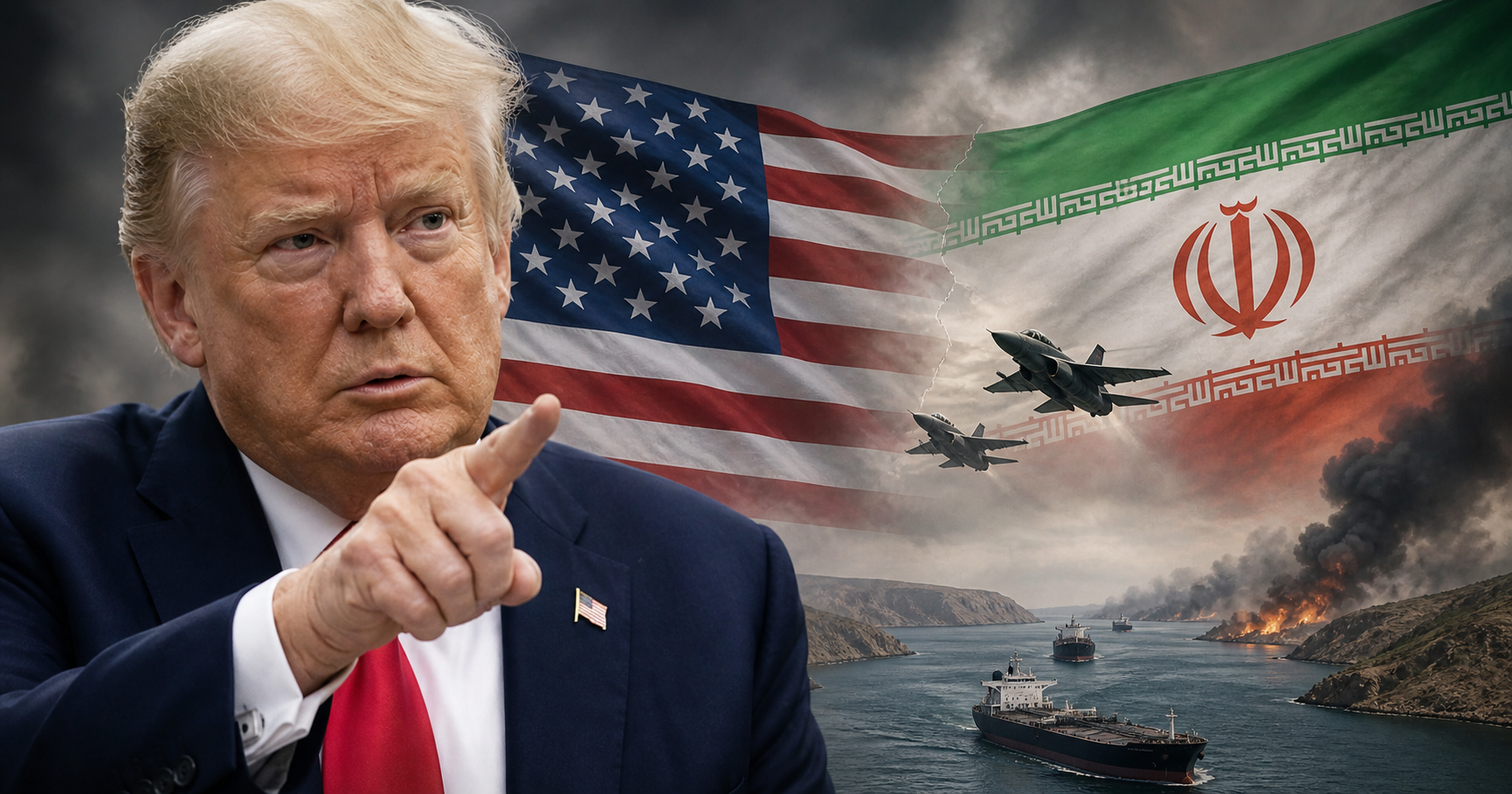


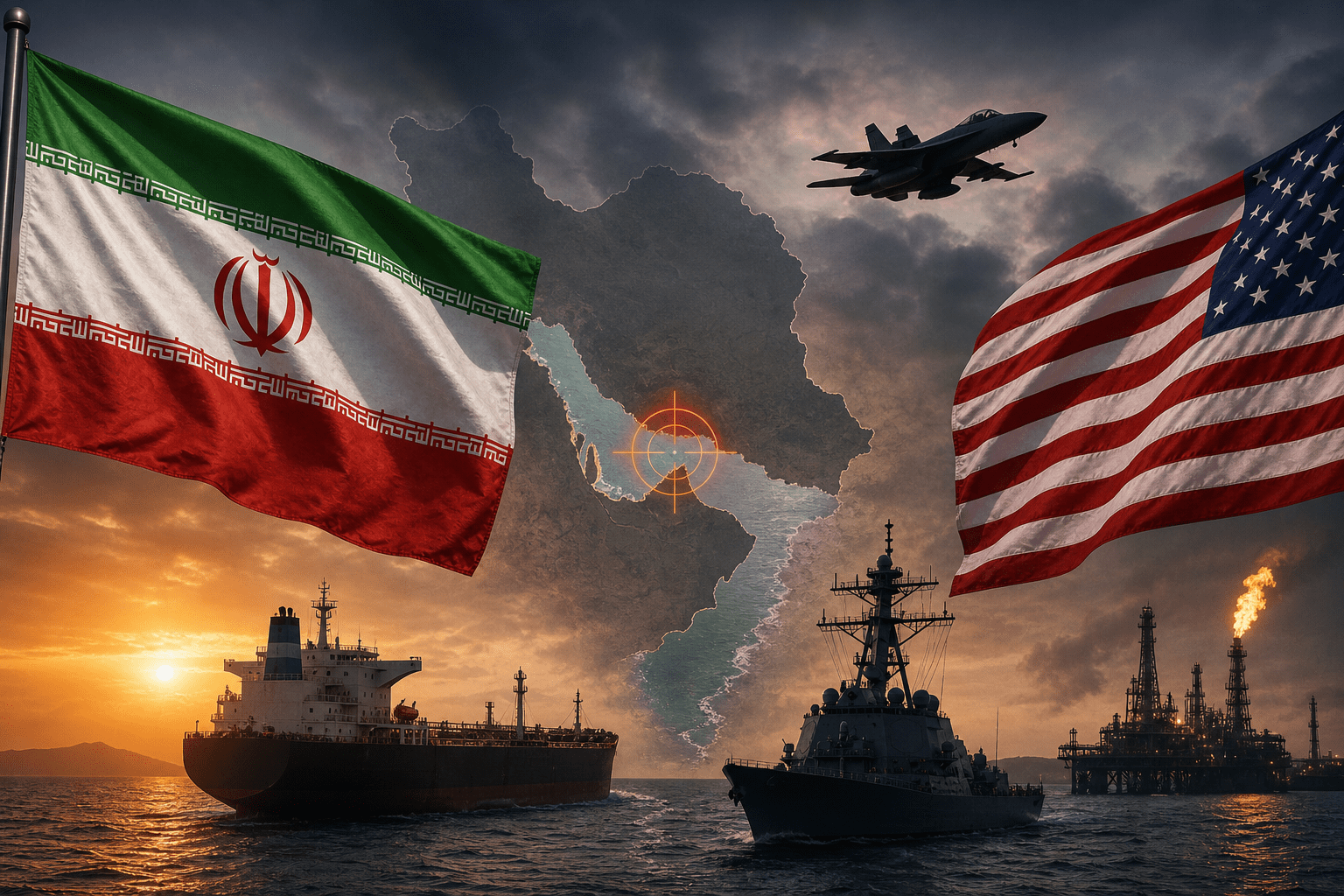
The geopolitical conflict between Iran and the United States has entered a critical phase, with Iran warning of “long and painful strikes” if Washington resumes military action. The situation has already disrupted global energy markets and raised serious concerns about economic stability worldwide.
Strait of Hormuz Crisis and Oil Supply Disruption
At the center of this conflict lies the Strait of Hormuz, one of the most vital energy corridors in the world. Nearly 20% of global oil and gas supplies pass through this narrow waterway. However, ongoing tensions have led to its closure, severely impacting global trade.
As a result:
- Oil prices surged to a four-year high, crossing $126 per barrel before stabilizing
- Energy supply chains remain disrupted
- Global inflation risks are increasing
The continued blockage of the strait threatens to trigger a broader economic slowdown if not resolved soon.
Iran’s Strong Warning to the United States
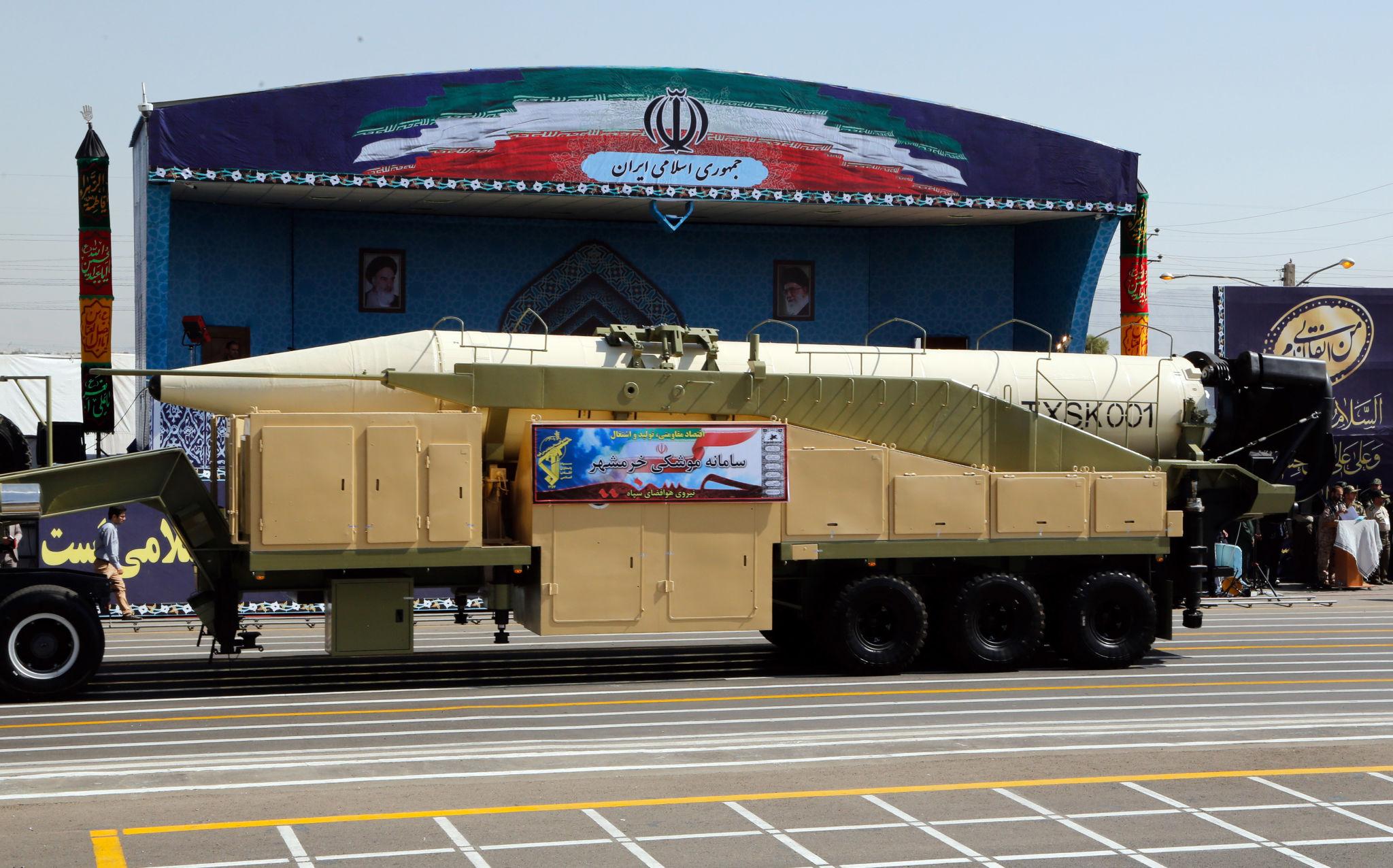
Iranian officials have made it clear that any renewed US military strikes will provoke a harsh response. A senior Revolutionary Guards official stated that even limited attacks would result in extensive retaliation against US regional assets.
Iran’s leadership has also emphasized its intent to maintain control over the Strait of Hormuz, signaling that the standoff could persist for a prolonged period.
US Strategy and Military Considerations
The United States is reportedly evaluating multiple options, including:
- Fresh military strikes to force negotiations
- Extending naval blockades
- Forming an international coalition to reopen the strait
There are also discussions around deploying ground forces to secure parts of the waterway, although such actions could significantly escalate the conflict.
Global Economic and Political Implications
The impact of this crisis extends far beyond the Middle East:
Economic Risks
- Rising oil prices could fuel global inflation
- Supply chain disruptions may slow economic growth
- Developing nations could face increased poverty and energy shortages
Political Reactions
- Countries like the UAE have restricted travel to conflict zones
- Global powers are considering coalition efforts to stabilize shipping routes
- Diplomatic negotiations remain stalled with little progress
The United Nations has warned that prolonged disruption could push millions into poverty and hunger, highlighting the severity of the situation.
Ceasefire, Yet No Resolution
Although a ceasefire has been in place since April 8, tensions remain high. Both sides continue strategic positioning, and negotiations have not yielded concrete outcomes.
Experts believe:
- Iran can sustain the standoff despite economic pressure
- The US may struggle to achieve quick diplomatic success
- The conflict could evolve into a prolonged geopolitical crisis
Conclusion
The Iran–US conflict is no longer just a regional issue—it has become a global economic threat. With oil markets unstable and diplomatic efforts stalled, the coming weeks will be crucial in determining whether the situation de-escalates or intensifies further.
If tensions continue, the world could face rising energy costs, economic instability, and heightened geopolitical risks.