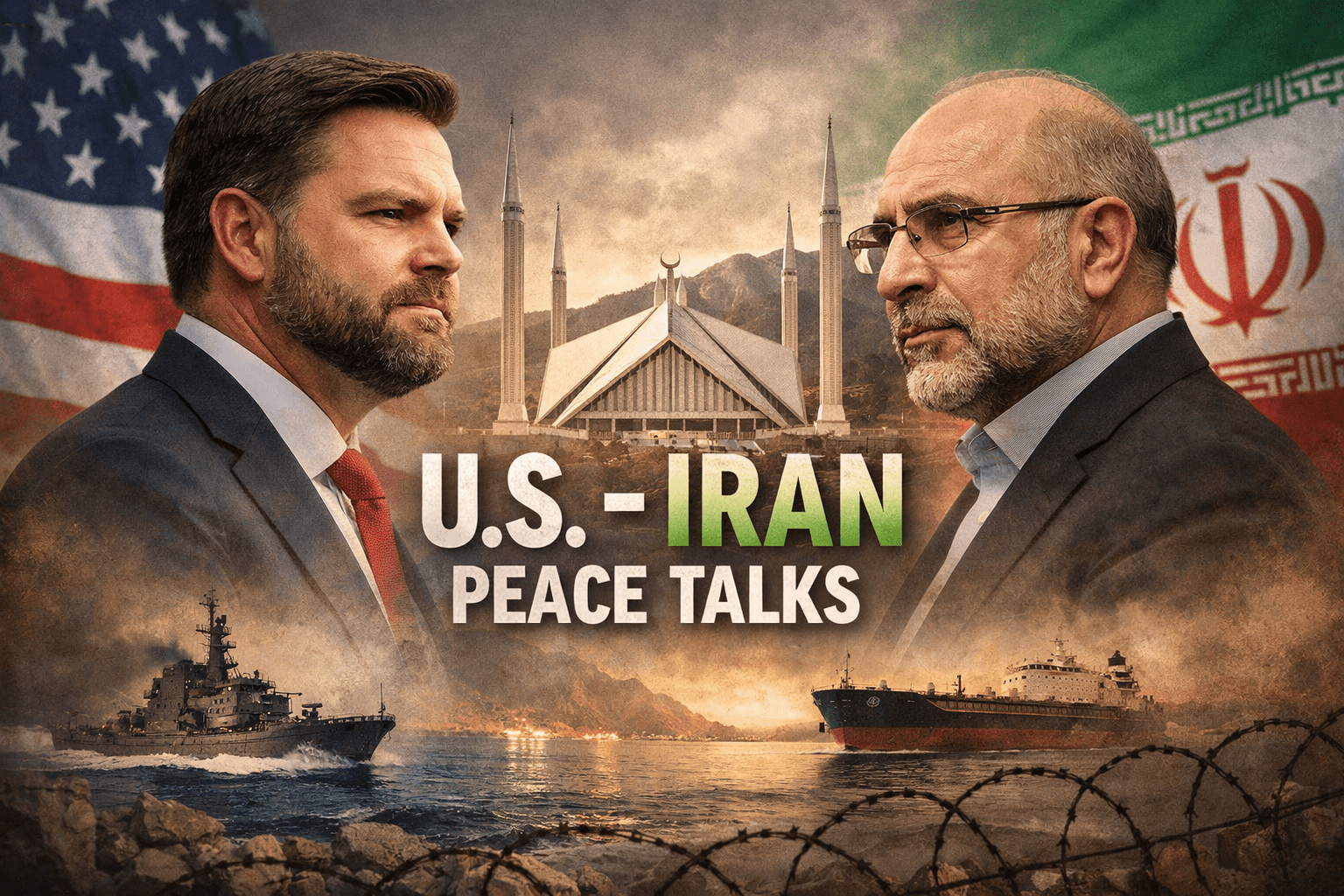
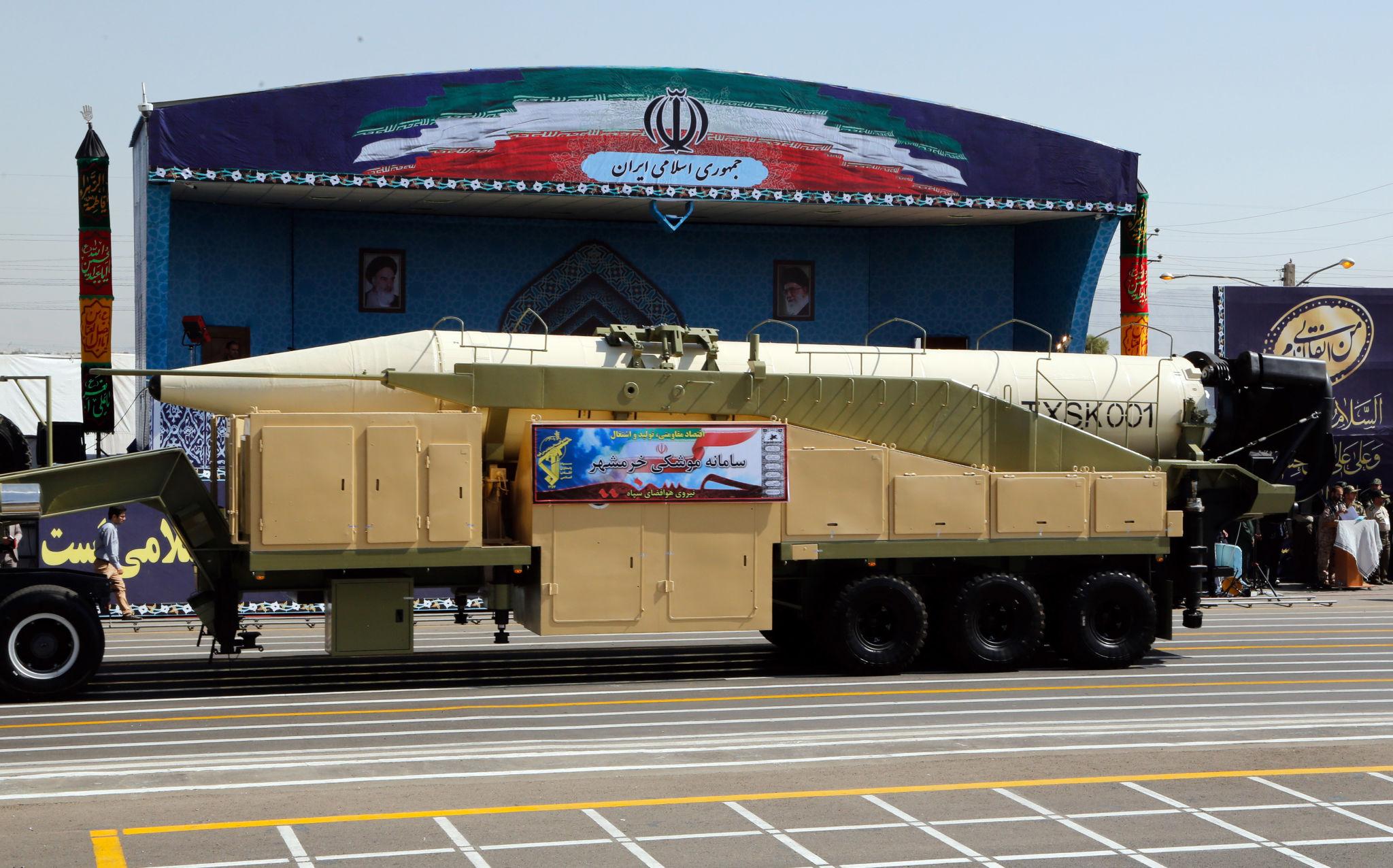
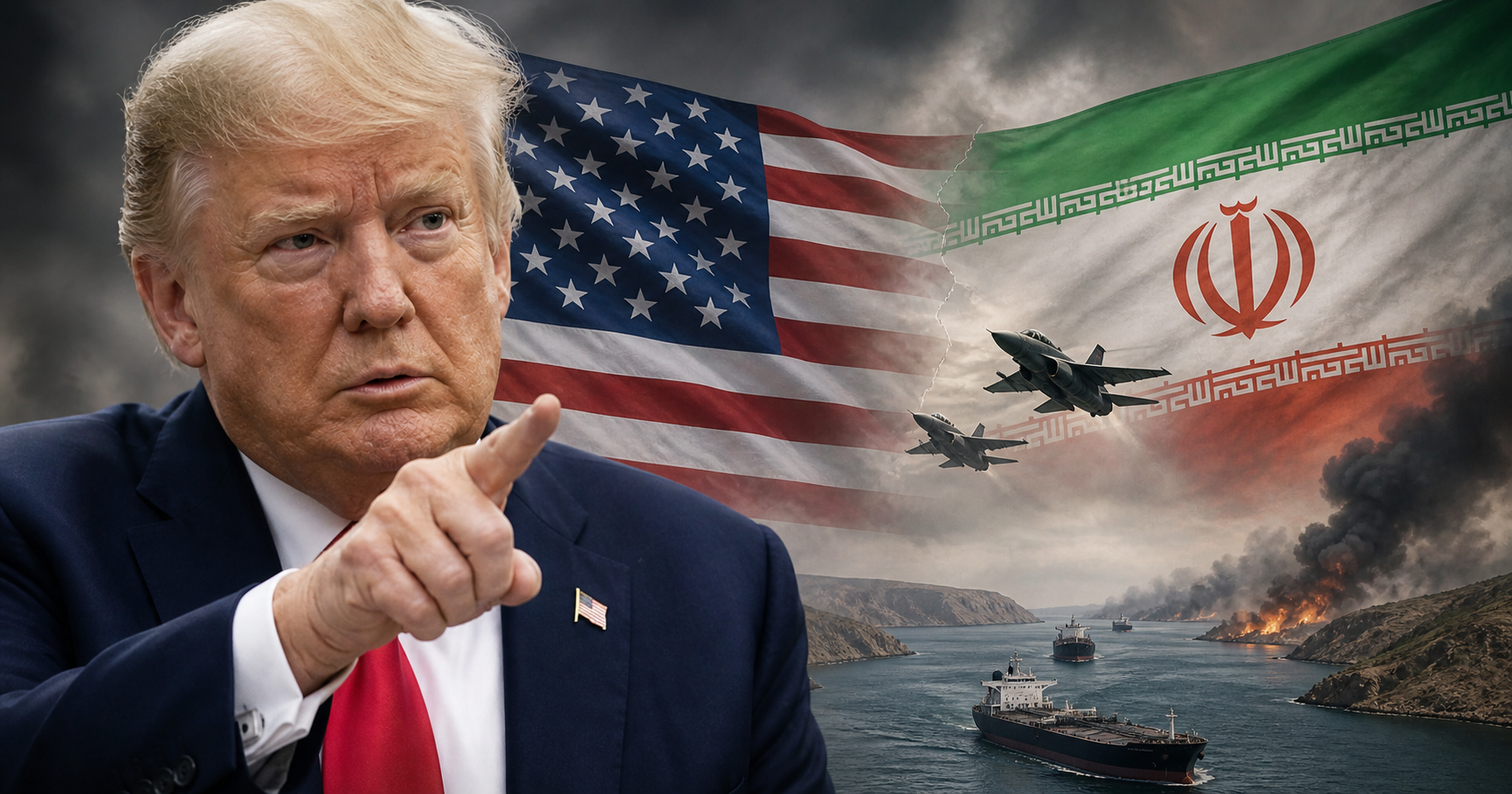

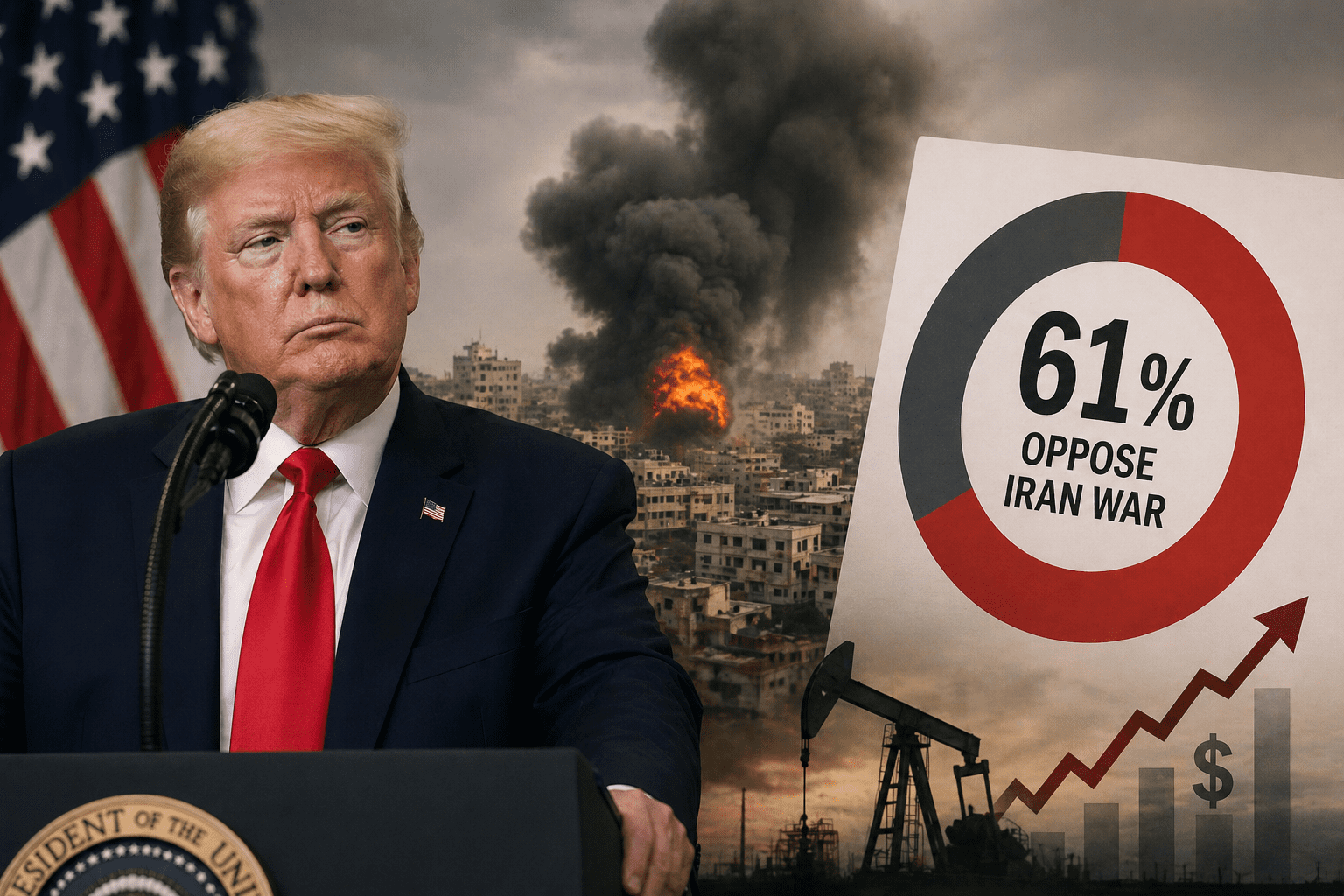
A majority of Americans now oppose the ongoing war with Iran, with public opinion reaching levels of disapproval similar to the Iraq War and the Vietnam War, according to a new national poll.
Public Opinion Turns Strongly Negative
The survey found that 61% of Americans believe the use of military force against Iran was a mistake, reflecting widespread dissatisfaction with the conflict.
Key findings include:
- Fewer than 20% believe the war has been successful
- Around 40% say it has been unsuccessful
- Another 40% say it is too early to judge
These numbers indicate a deeply divided public but with a clear majority leaning against the war.
Sharp Political Divide in the US
Despite overall opposition, support for the war remains strong among Republicans:
- 79% of Republicans say the decision was correct
- Independents are nearly split on the issue
- Democrats largely oppose continued military action
This divide highlights how foreign policy continues to be shaped by partisan perspectives in the United States.
Economic Concerns Driving Public Sentiment
The war’s economic impact is a major factor influencing public opinion:
- 60% of Americans believe the conflict increases recession risk
- Rising fuel costs are forcing people to cut spending and travel
- Many households report worsening financial conditions
Since the conflict began, more Americans say they are “falling behind financially,” reflecting growing economic pressure.
Fear of Rising Security Risks
Americans are also concerned about national security implications:
- 61% believe the war increases the risk of terrorism
- 56% fear it could weaken US alliances
These concerns suggest that the war is not only unpopular but also viewed as potentially making the country less safe.
Comparison to Iraq and Vietnam Wars
The level of disapproval is historically significant. The poll shows public opposition comparable to:
- The Iraq War during its peak violence in 2006
- The Vietnam War during the early 1970s
What makes this notable is that such levels of opposition have emerged much earlier in the conflict compared to past wars.
Debate Over Peace vs Continued Conflict
Americans remain divided on how to move forward:
- 48% support making a peace deal, even if less favorable
- 46% prefer pushing for a stronger deal, even if it means continued military action
This near-even split reflects uncertainty about the best path forward.
Trump’s Position and Strategy
Donald Trump has defended the war, stating that preventing Iran from developing nuclear weapons justifies short-term economic pain.
He has also suggested that negotiations may take time and ruled out immediate direct talks with Iran, indicating a prolonged conflict could be likely.
Growing Concerns Within the Government
Even within the administration, concerns are emerging:
- Officials worry about military readiness and resource strain
- Questions are being raised about long-term strategy
- Pressure is building for clearer goals and outcomes
These internal concerns add to the uncertainty surrounding the conflict.
Conclusion
The latest polling data reveals a significant shift in public opinion against the Iran war, driven by economic strain, security fears, and uncertainty about its effectiveness.
As comparisons to past unpopular wars grow stronger, the pressure on policymakers to reassess strategy and seek resolution is likely to intensify in the coming months.