

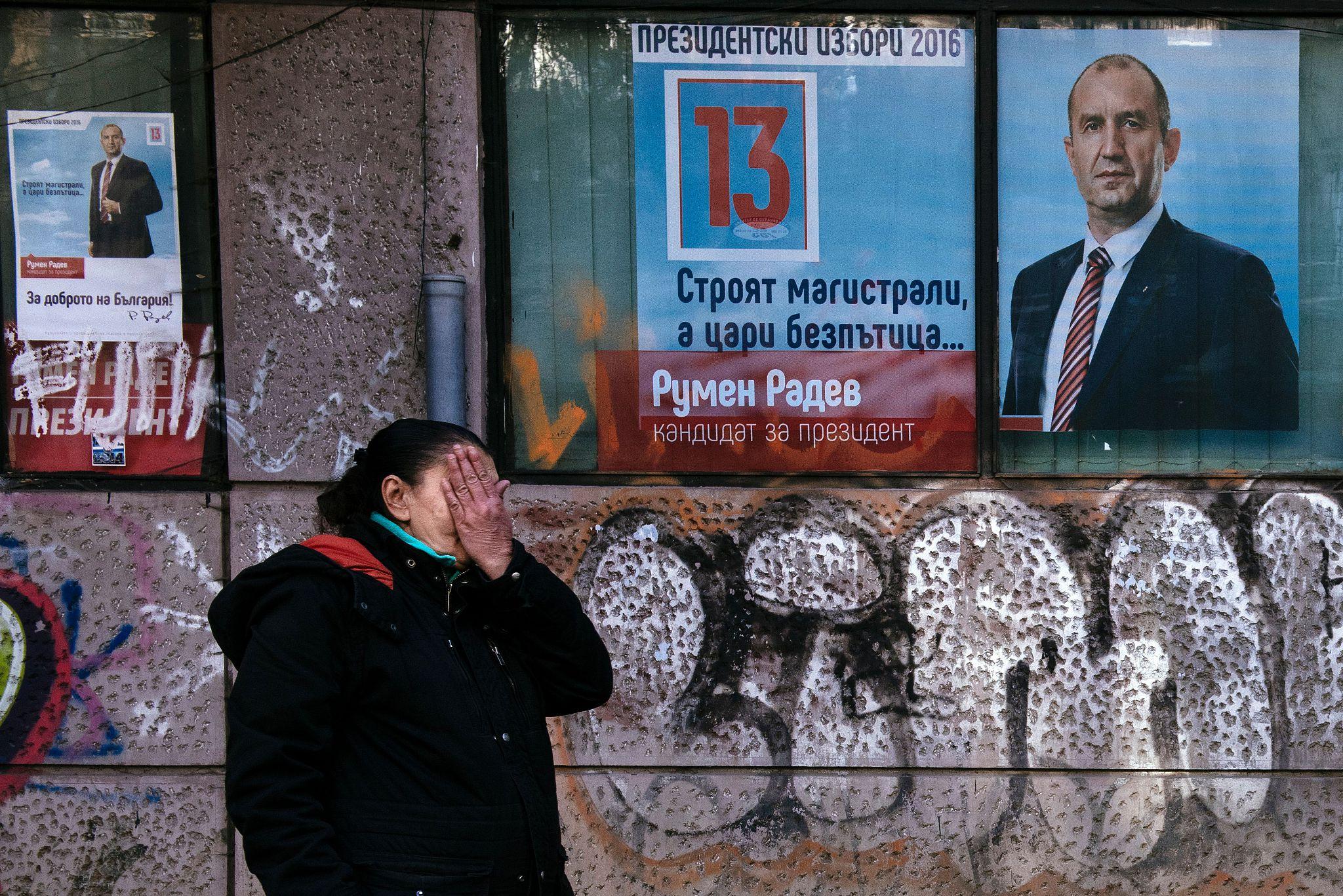
Bulgaria stands at a critical political crossroads as former president Rumen Radev emerges as the frontrunner in the upcoming parliamentary elections. Riding a wave of anti-corruption sentiment and public frustration, Radev’s campaign signals a potential shift not only in domestic governance but also in the country’s geopolitical alignment.
A Nation Tired of Instability
For years, Bulgaria has been trapped in a cycle of political instability. The upcoming April 19 vote marks the eighth election in just five years, reflecting a deeper crisis of governance and public trust.
Weak coalition governments have repeatedly failed to address systemic corruption and economic disparities. In rural regions especially, citizens feel neglected and marginalized. Farmers, small business owners, and local communities often face bureaucratic hurdles and alleged corruption that stifles growth and opportunity.
This frustration has created fertile ground for a candidate like Radev, who positions himself as an outsider ready to dismantle entrenched political networks.
The Anti-Corruption Promise

At the core of Radev’s campaign is a bold promise: to eliminate corruption at all levels of government.
According to global indices, Bulgaria ranks among the lowest in the European Union when it comes to perceived corruption. Issues range from public procurement scandals to vote-buying practices and local political strongholds often described as “feudal.”
Radev has directly targeted these systems, vowing to dismantle what he calls an “oligarchic structure” controlling the country. His message resonates particularly with older and rural voters who feel left behind by urban-focused development.
As one rural farmer expressed, the desire is simple: a “dignified leader” who brings real change.
A Shift in Foreign Policy?
One of the most controversial aspects of Radev’s rise is his pro-Russian stance, which could significantly alter Bulgaria’s position within the European Union.
Currently aligned with Brussels, Bulgaria has:
- Joined the eurozone
- Signed security agreements with Ukraine
- Supported EU-led policies against Russia
However, Radev has openly criticized these moves, arguing they were implemented without sufficient public consultation. He has suggested that Bulgaria could act as a bridge between Europe and Russia, leveraging its cultural and historical ties.
This position raises concerns among EU leaders, especially amid ongoing tensions stemming from the Ukraine conflict.
The Coalition Reality
Despite leading in the polls with around 30% support, Radev is unlikely to secure an outright majority. This means coalition-building will be inevitable.
Potential alliances could moderate his more controversial positions, particularly regarding foreign policy. Analysts suggest that partnerships with pro-European parties may dilute his pro-Russian rhetoric while still allowing for domestic reforms.
However, Bulgaria’s recent history shows that coalitions are fragile, often collapsing under political pressure and ideological differences.
Urban Growth vs Rural Decline

Bulgaria presents a tale of two realities:
Urban Bulgaria
- Thriving cities like Sofia with vibrant cafes and nightlife
- Growing tourism industry, especially in ski resorts
- Improved infrastructure and economic activity
Rural Bulgaria
- Declining populations due to migration
- Poor infrastructure and limited investment
- Aging communities struggling to survive
This divide is central to the election. While cities show signs of progress, rural regions demand urgent attention—and Radev’s campaign speaks directly to them.
What’s at Stake?
This election is more than just a leadership contest—it’s a referendum on Bulgaria’s future direction:
- Will corruption finally be tackled?
- Will Bulgaria remain firmly aligned with the EU?
- Can political stability be restored after years of chaos?
Radev’s rise reflects a broader trend seen across Europe: voters increasingly turning to leaders who promise strong reform, national sovereignty, and systemic change.
Final Take
Bulgaria’s upcoming election could redefine its political landscape. Rumen Radev represents both hope and uncertainty—a candidate who channels public frustration but also raises questions about the country’s geopolitical future.
Whether he becomes a transformative reformer or faces the same coalition challenges as his predecessors remains to be seen. But one thing is clear: Bulgaria is ready for change—and this election may finally deliver it.