






A fresh wave of tension has emerged between the United States and Canada after U.S. Commerce Secretary Howard Lutnick delivered a blunt and controversial critique of Canada’s trade strategy. His remarks come at a critical time, just ahead of high-stakes negotiations over the US-Mexico-Canada Agreement (USMCA), the trilateral pact governing trade across North America.
A Blunt Rebuke at a Crucial Moment
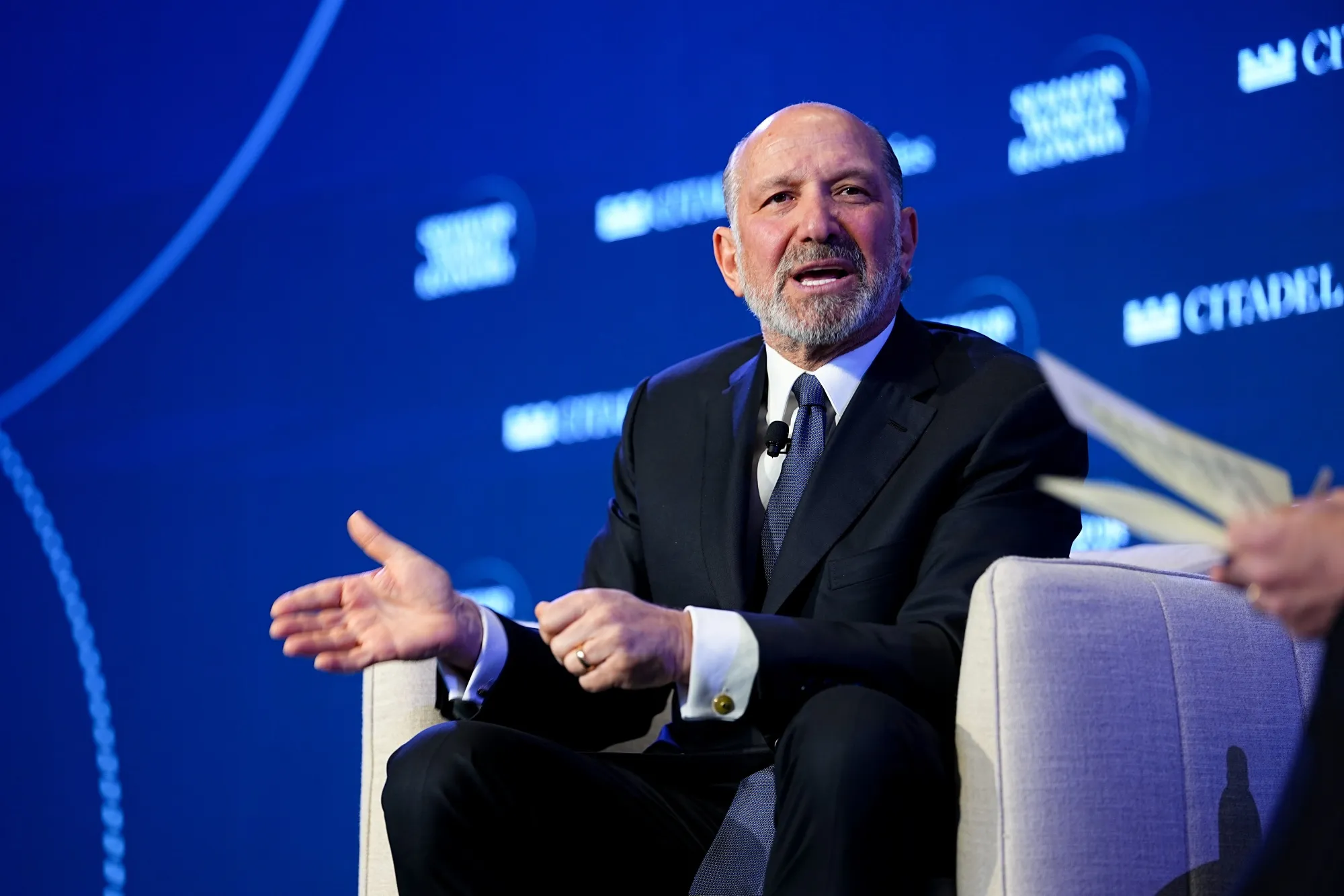
Speaking at the Semafor World Economy Summit in Washington, Lutnick responded sharply to suggestions that Canada should adopt a “wait-and-watch” approach in upcoming trade discussions. Referencing a report that quoted former Canadian trade negotiator Steve Verheul, Lutnick dismissed the idea as ineffective and even damaging.
In a moment that quickly grabbed headlines, Lutnick stated, “they suck,” referring to Canada’s strategy. He went on to call it the “worst strategy,” arguing that a passive stance would only weaken Canada’s position given its economic dependence on the United States.
Lutnick underscored the disparity between the two economies, pointing out that the U.S., valued at roughly $30 trillion, remains one of the world’s largest consumer markets. “We are the consumers of the world,” he said, suggesting that countries like Canada benefit significantly from access to American demand.
Canada’s Global Trade Approach Questioned
Lutnick also took aim at Canadian Prime Minister Mark Carney, particularly over his recent international outreach. He criticized Carney’s engagement with China, questioning the logic of seeking stronger trade ties with what he described as an export-driven economy.
“Does he think the Chinese economy is going to buy his stuff?” Lutnick remarked, casting doubt on Canada’s efforts to diversify trade partnerships beyond North America.
Carney’s recent speech at the World Economic Forum in Davos had already stirred debate. In that address, he declared that the long-standing “rules-based international order” is effectively over, describing the current global situation as a “rupture, not a transition.” His comments signaled a willingness to rethink traditional alliances, potentially including Canada’s reliance on the U.S.
Damage Control from Washington
Following the backlash, the U.S. Department of Commerce sought to clarify Lutnick’s remarks. Officials claimed he had been “misquoted,” explaining that his comments were intended to describe what they see as an unfair trade imbalance rather than to insult Canada outright.
According to a spokesperson, Lutnick’s argument was that Canada benefits disproportionately from access to the U.S. economy, rather than contributing equally. However, the clarification did little to soften the tone of the original statement, which had already sparked widespread attention and criticism.
USMCA Negotiations in the Spotlight
The timing of this controversy is particularly significant. The United States, Canada, and Mexico are preparing to revisit the USMCA, a deal renegotiated during the presidency of Donald Trump to replace NAFTA.
Trump has repeatedly criticized the agreement, calling it a “bad deal” and suggesting it may need to be “reimagined.” Reports indicate that he has even threatened to withdraw from the pact if his demands are not met, raising the stakes for all parties involved.
Despite the escalating rhetoric, Canada’s Trade Minister Dominic LeBlanc has struck a more optimistic tone. He emphasized that Canada provides essential goods and resources that the U.S. economy relies on, expressing confidence that a mutually beneficial agreement can still be reached.
Broader Implications
The dispute highlights deeper challenges within global trade. As countries reassess their economic strategies in a rapidly changing world, long-standing alliances are being tested. For Canada, balancing diversification with its reliance on the U.S. market will be key. For the United States, maintaining influence while addressing perceived trade imbalances remains a priority.
Conclusion
Lutnick’s remarks may have been unusually blunt, but they reflect underlying tensions that have been building for some time. With USMCA negotiations approaching, both nations face a delicate task: navigating political rhetoric while ensuring economic stability. The outcome of these talks could shape the future of North American trade for years to come.