



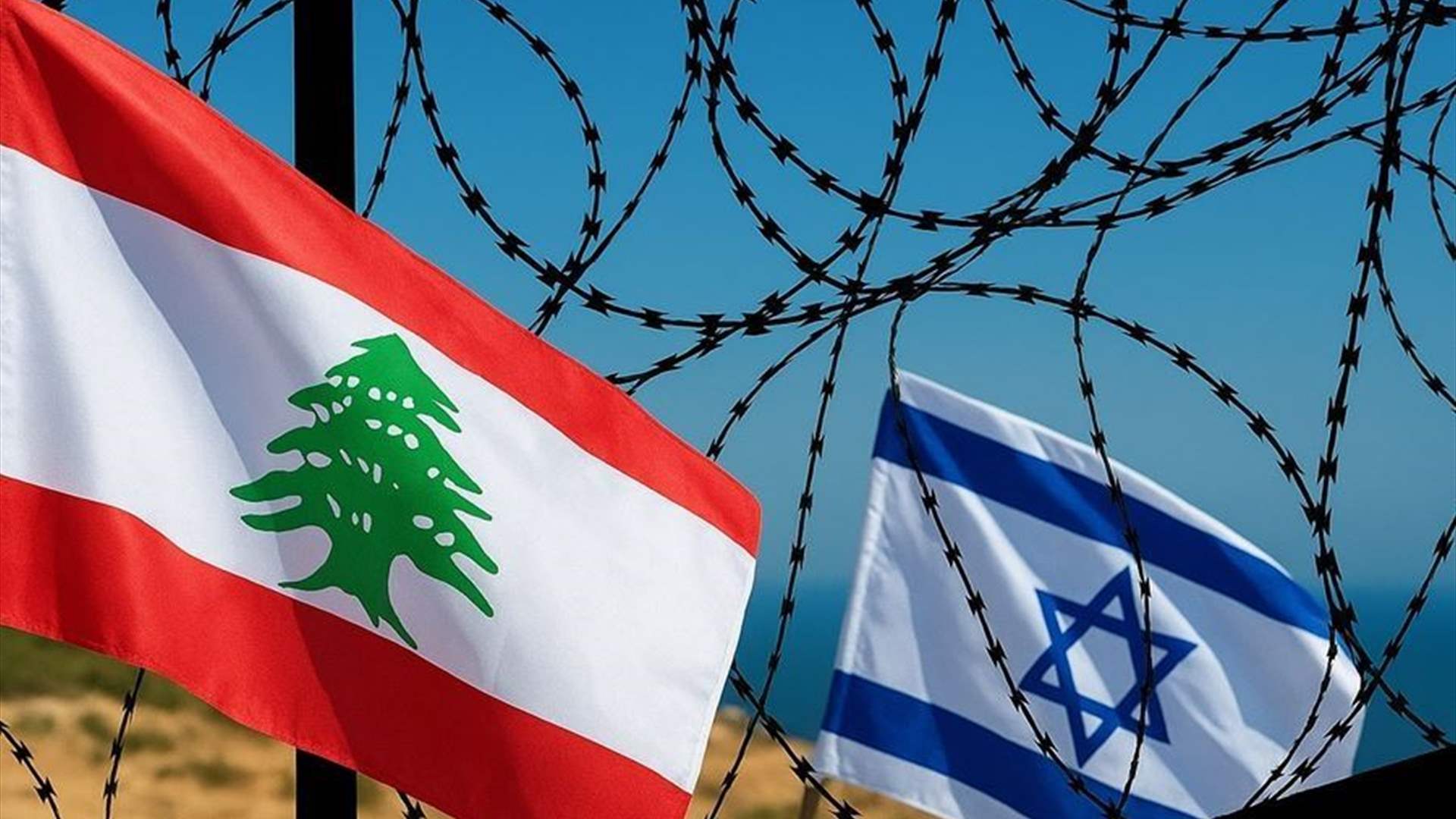
In a significant escalation following a fragile ceasefire, Israel has announced the enforcement of a new “Yellow Line” in southern Lebanon—mirroring a similar military demarcation previously implemented in Gaza. The move comes just days after a 10-day ceasefire agreement between Israel and Lebanon, raising concerns about the stability of the truce and the potential for renewed conflict.
What is the ‘Yellow Line’?
The “Yellow Line” is a de facto boundary established by the Israel Defense Forces (IDF), separating areas under Israeli military control from territories held by opposing forces. The concept was first introduced in Gaza following the October 10 ceasefire, effectively dividing the region into two operational zones—one controlled by Israeli forces and the other by Hamas.
Now, Israel has replicated this model in southern Lebanon, signaling a shift in how it intends to manage ceasefire conditions along its northern front.
Immediate Military Action
According to the IDF, Israeli troops operating south of the newly established line identified what they described as “terrorists” approaching their positions from the north. The military claimed these individuals violated ceasefire understandings and posed an “immediate threat.”
“In order to eliminate the threat, forces attacked the terrorists in several areas in southern Lebanon,” the IDF said in an official statement. It further clarified that actions taken in self-defense are not restricted by the ceasefire agreement.
This marks the first official acknowledgment of a “Yellow Line” in Lebanon since the ceasefire came into effect, indicating that Israel is prepared to enforce strict security measures despite the temporary halt in hostilities.
A Fragile Ceasefire
The ceasefire between Israel and Lebanon was agreed upon just days earlier under pressure from the United States, following weeks of intense fighting between Israel and the Iran-backed militant group Hezbollah. The conflict, which began on March 2, included widespread Israeli airstrikes and a ground offensive in southern Lebanon.
Lebanese authorities report that nearly 2,300 people have been killed, with extensive destruction in regions such as Nabatiyeh. While Hezbollah has agreed to halt military operations for now, the group has warned that it remains on high alert and ready to respond to any violations.
Diplomatic Efforts and Diverging Signals
Lebanese President Joseph Aoun has emphasized the importance of direct negotiations with Israel to stabilize the situation. His government is seeking a broader resolution that includes Israeli withdrawal from southern Lebanon, the return of detainees, and the settlement of long-standing border disputes.
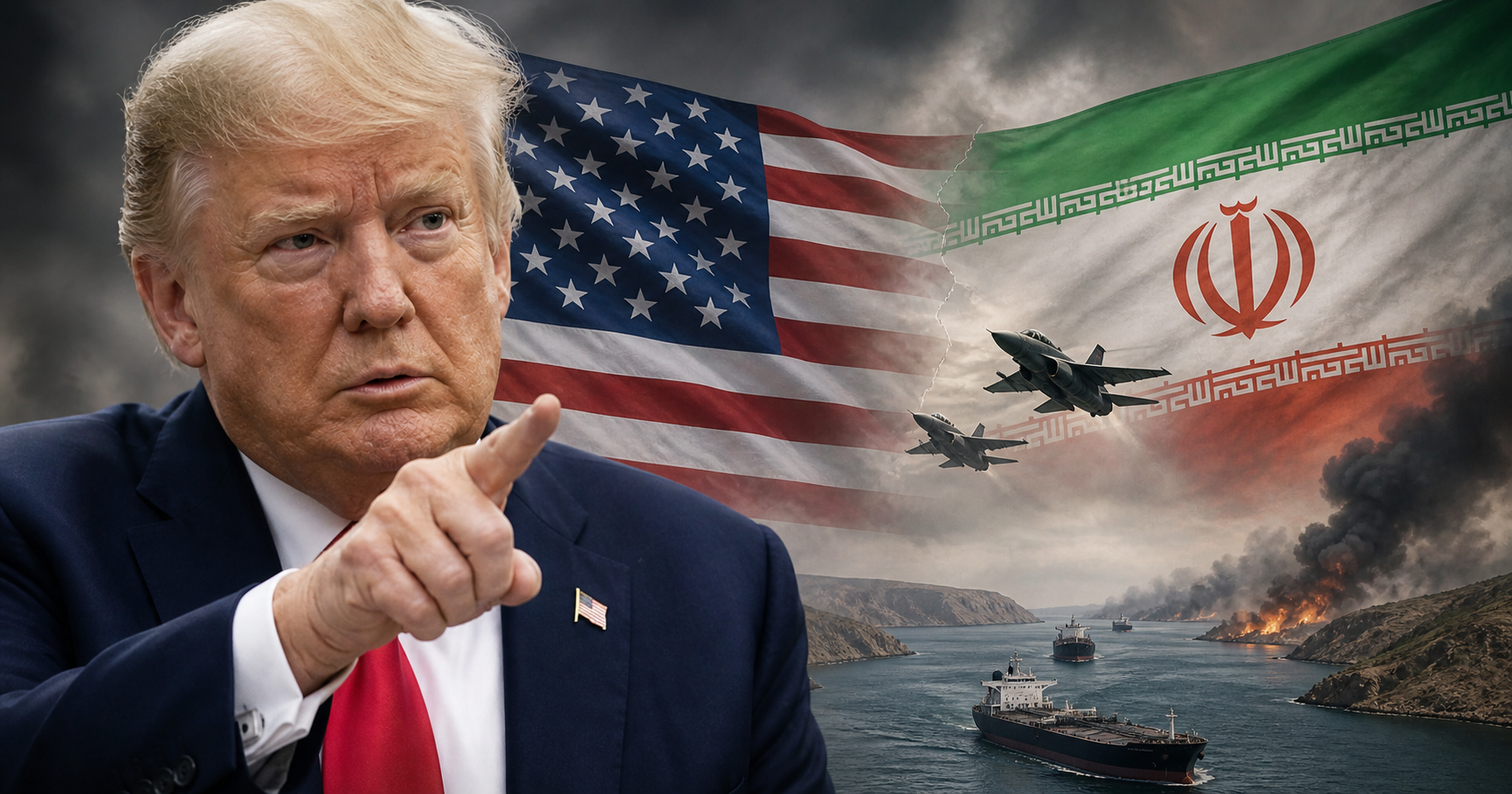
On the international front, U.S. President Donald Trump stated that Washington had “prohibited” Israel from conducting further airstrikes in Lebanon following the ceasefire. He also pledged to work with Lebanese authorities to address the role of Hezbollah in the region.
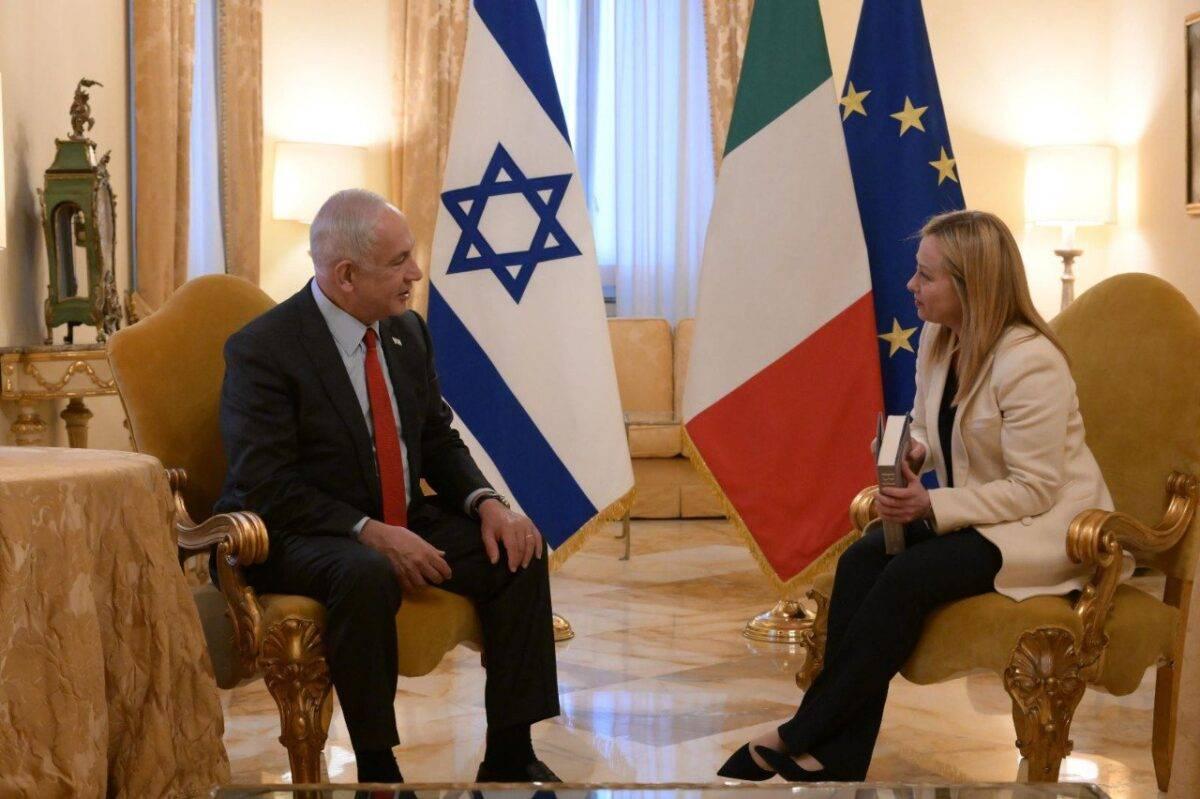
However, Israeli Prime Minister Benjamin Netanyahu offered a more hardline stance, declaring that Israel has not “yet finished the job” and remains committed to dismantling Hezbollah’s military capabilities.
Rising Concerns
The introduction of the “Yellow Line” in Lebanon suggests that Israel is preparing for a prolonged and controlled military presence, even during a ceasefire. While the measure is framed as a defensive necessity, it risks escalating tensions and undermining diplomatic efforts.
For Lebanon, already grappling with economic and political instability, the prospect of renewed conflict poses a serious threat. For the broader region, this development highlights the fragile nature of ceasefires in deeply entrenched conflicts.
Conclusion
Israel’s decision to enforce a Gaza-style “Yellow Line” in southern Lebanon underscores the uneasy balance between military strategy and diplomacy. While intended to enhance security, the move could further strain an already delicate ceasefire. As both sides remain on edge, the coming days will be critical in determining whether the region moves toward stability—or slides back into conflict.