
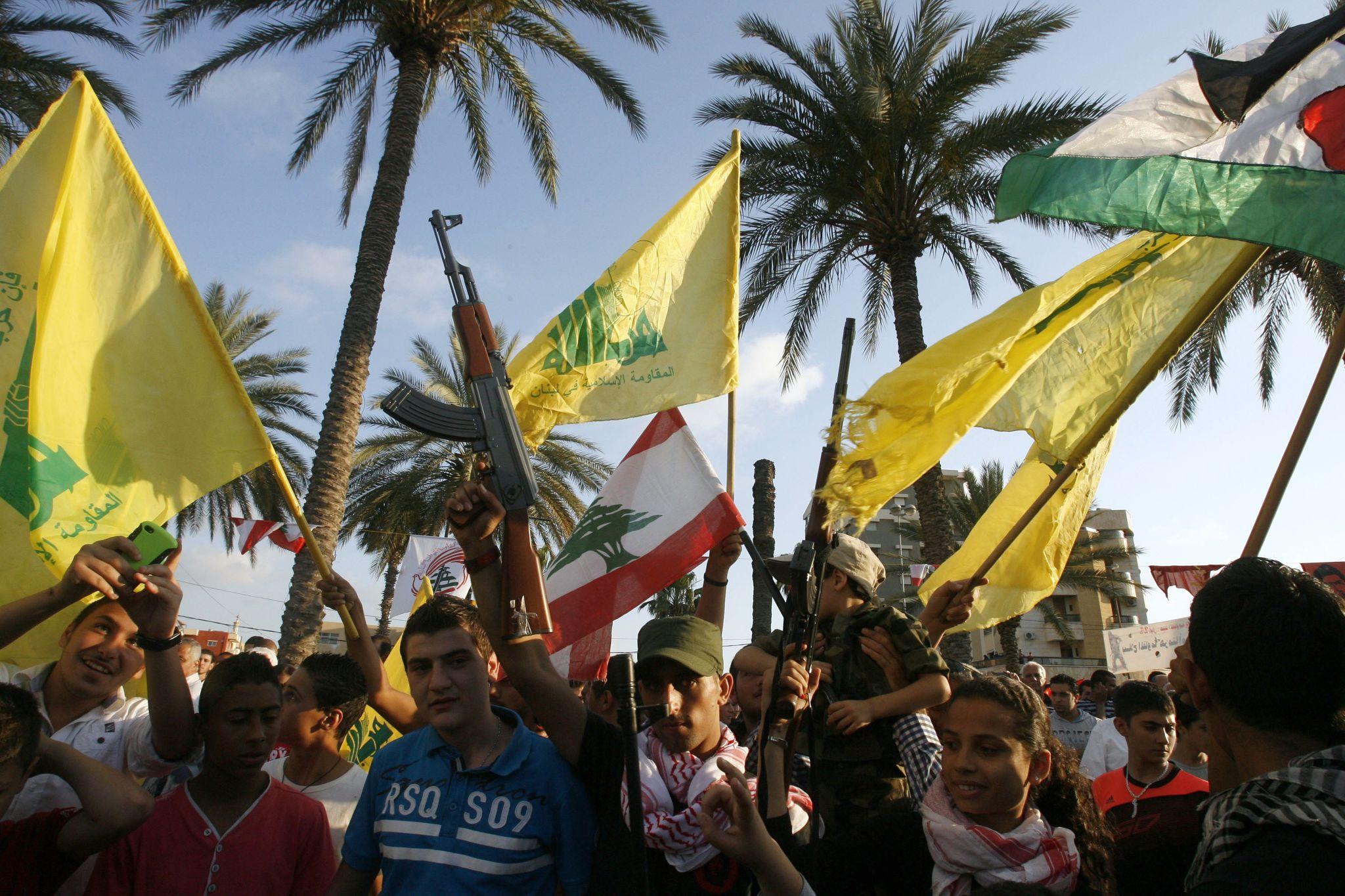
A fragile calm has descended over the Middle East as a 10-day ceasefire between Israel and Lebanon came into effect on April 17, 2026. The truce, announced by Donald Trump, sparked scenes of celebration across Lebanon—particularly in the capital, Beirut—where residents fired gunshots into the air and gathered in the streets to mark what many hope is the beginning of peace.
A Night of Relief and Celebration
As the clock struck midnight, signaling the start of the ceasefire, jubilant crowds poured into the streets. In Beirut and southern cities like Sidon, the sounds of gunfire echoed—not as a sign of conflict, but celebration.
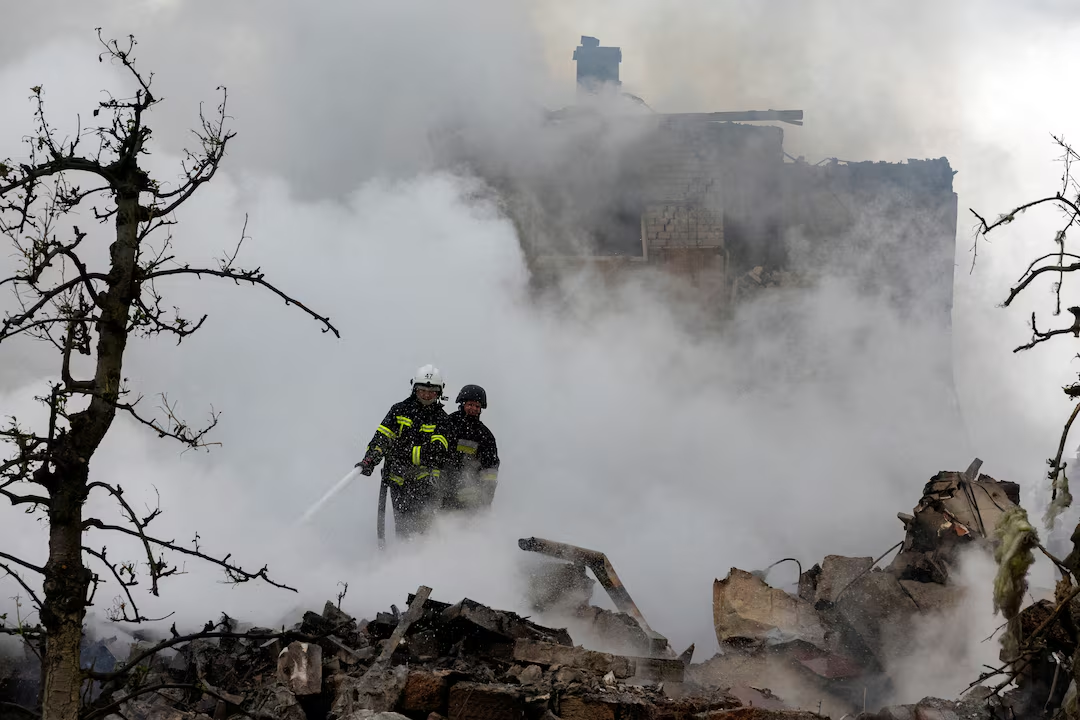
For many Lebanese, the truce represents a moment of relief after weeks of intense violence. Families displaced by the fighting began making their way back toward their homes in southern Lebanon and the southern suburbs of Beirut, despite official warnings urging caution.
The emotional scenes reflect the deep toll the conflict has taken on civilians. Entire communities were uprooted, infrastructure damaged, and daily life disrupted. The ceasefire, even if temporary, offers a chance to breathe.
Tensions Beneath the Surface
Yet beneath the celebrations lies uncertainty. Shortly after the ceasefire took effect, the Lebanese army reported alleged violations by Israeli forces, including intermittent shelling in southern villages. Israel has not immediately responded to these claims.
This raises early concerns about the durability of the agreement. Ceasefires in the region have historically been fragile, often collapsing under mutual distrust and sporadic violations.
Meanwhile, Hezbollah confirmed it carried out its final attack just minutes before the truce began, signaling compliance—but also underscoring how close the region remains to renewed escalation.
Political Calculations and Strategic Messaging
The ceasefire is not just a military pause—it is also a significant political moment.
Donald Trump, who announced the agreement, urged all parties to respect the truce, framing it as an opportunity for peace. His administration has also invited leaders from both sides for talks in Washington, potentially marking the most serious diplomatic engagement between Israel and Lebanon in decades.
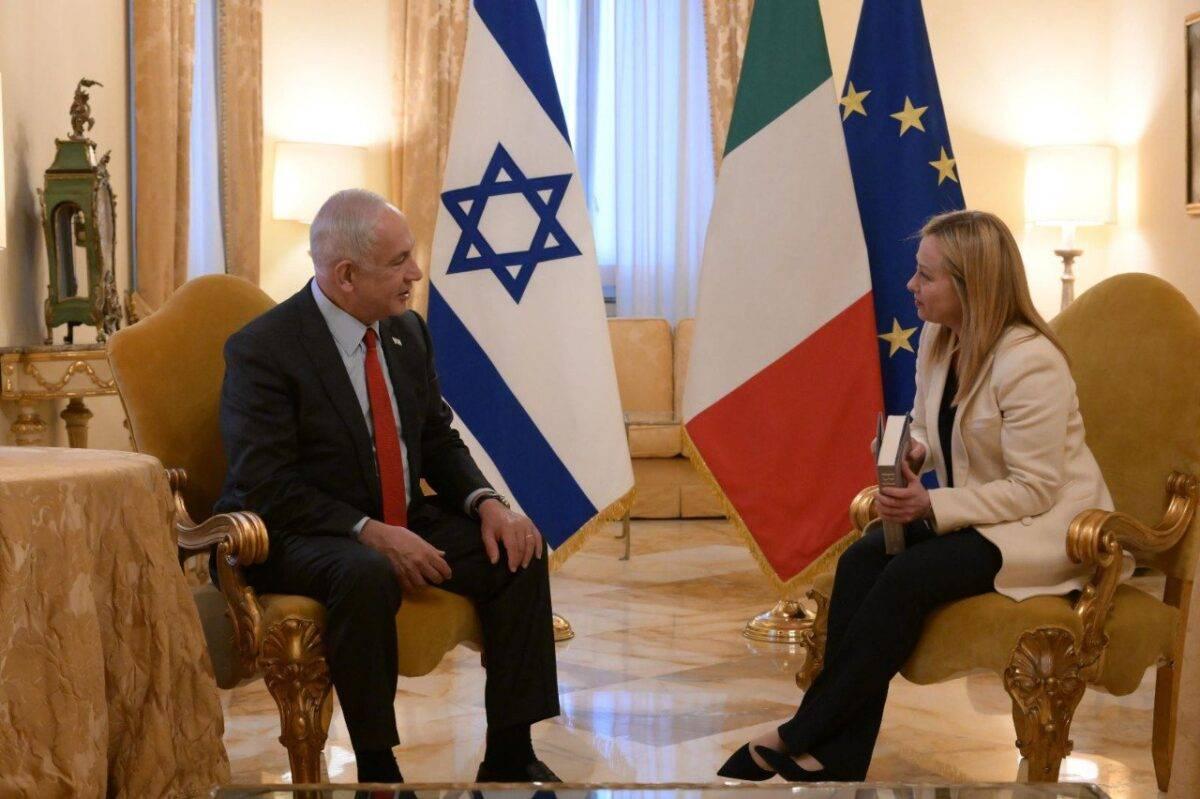
On the Israeli side, Prime Minister Benjamin Netanyahu said the ceasefire was agreed to in order to advance broader peace efforts. However, he emphasized that Israeli troops would remain in a “security zone” inside Lebanese territory—an issue that could become a major point of contention.
Lebanon’s Prime Minister, Nawaf Salam, welcomed the ceasefire, calling it a central national demand since the conflict began. For Beirut, the truce is both a humanitarian necessity and a political victory.
Regional and International Reactions
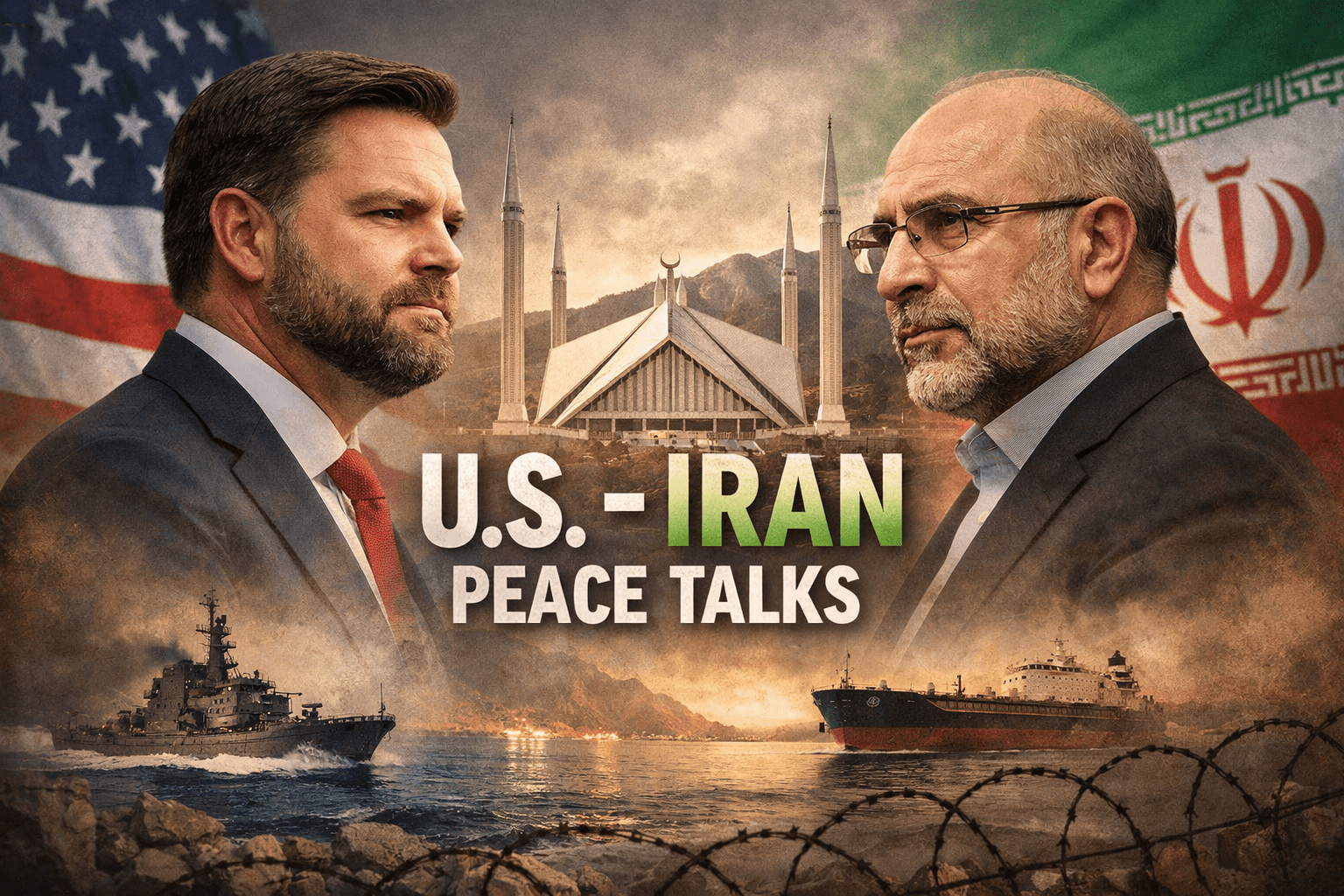
The ceasefire has drawn support from across the region. Iran, a key backer of Hezbollah, described the agreement as part of a broader understanding aimed at reducing regional tensions.
Countries including Qatar, Jordan, and Bahrain also welcomed the development, signaling rare regional alignment in favor of de-escalation.
The international community views the ceasefire as a critical window to prevent a wider regional war—particularly given the broader tensions involving Iran and its allies.
A Temporary Pause or a Path to Peace?
While the ceasefire has brought immediate relief, its long-term impact remains uncertain. The presence of Israeli troops in Lebanese territory, the role of Hezbollah, and the broader geopolitical tensions all pose significant challenges.
For now, the streets of Beirut are filled with celebration—but also cautious hope.
The coming days will be crucial. If the ceasefire holds, it could pave the way for meaningful negotiations and a more lasting peace. If it collapses, the region risks slipping back into a cycle of violence that has defined it for decades.
Conclusion
The Israel-Lebanon ceasefire marks a rare moment of calm in a volatile region. It has given civilians a glimpse of normalcy and leaders an فرصة to pursue diplomacy. But with early reports of violations and deep-rooted tensions still unresolved, the truce remains as fragile as it is significant.
For millions affected by the conflict, the question is no longer just whether the guns will fall silent—but for how long.