
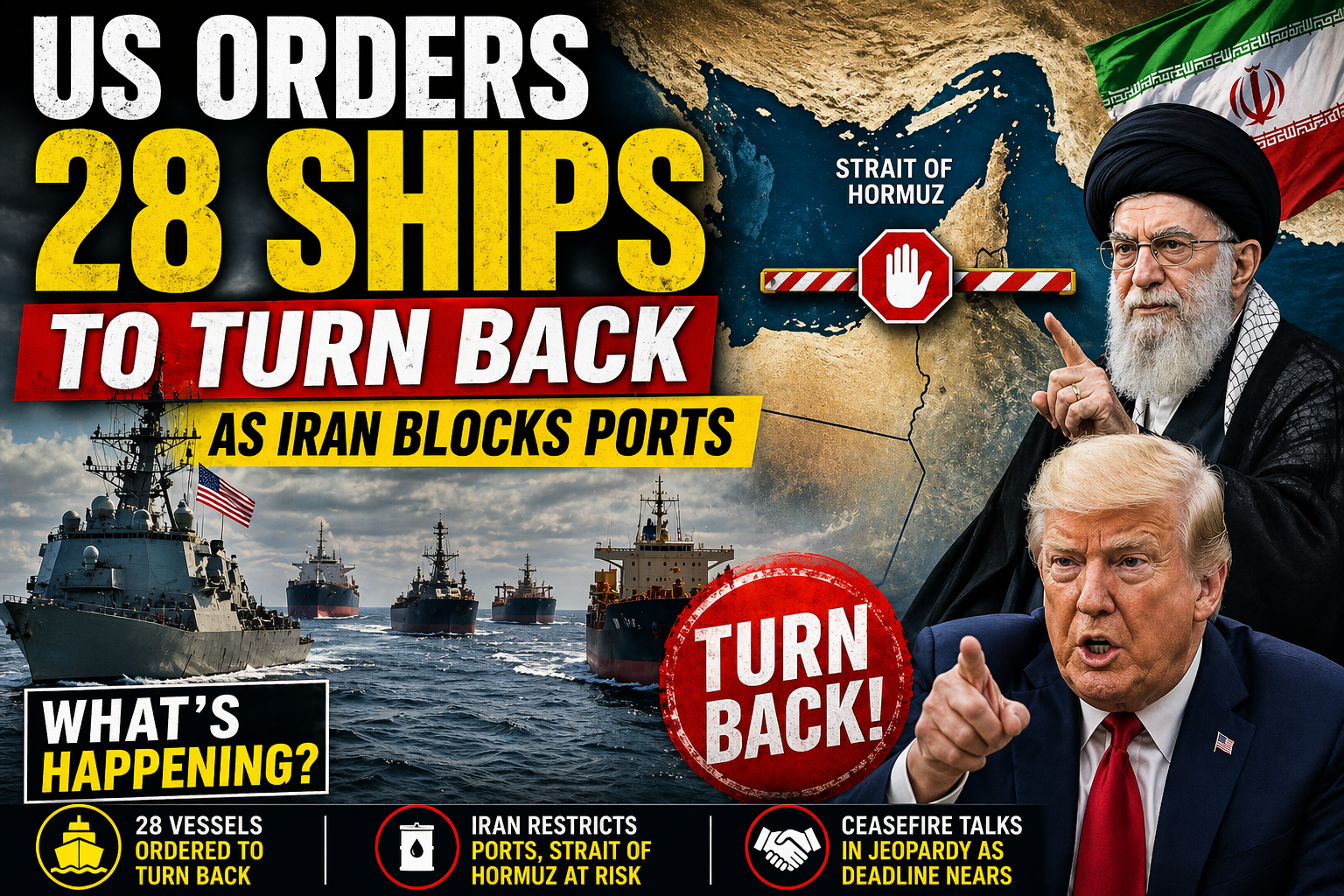
Tensions between the United States and Iran have intensified once again, as US forces ordered 28 vessels to turn back or return to port following renewed restrictions on Iranian maritime activity. The development comes amid growing uncertainty around the strategic Strait of Hormuz, a crucial global oil transit route.
What Triggered the Latest Escalation?
The situation stems from a series of conflicting actions by Iran. After initially announcing that the Strait of Hormuz had reopened to maritime traffic, Tehran reversed its decision within 24 hours. Iranian authorities then imposed fresh restrictions, citing unmet commitments from the US under a temporary ceasefire agreement.
The ceasefire, which was meant to ease tensions for two weeks, is now on the brink of collapse. Iran has accused the US of failing to honor its obligations, while Washington claims Tehran has violated the agreement multiple times.
US Response: Naval Blockade and Vessel Redirection
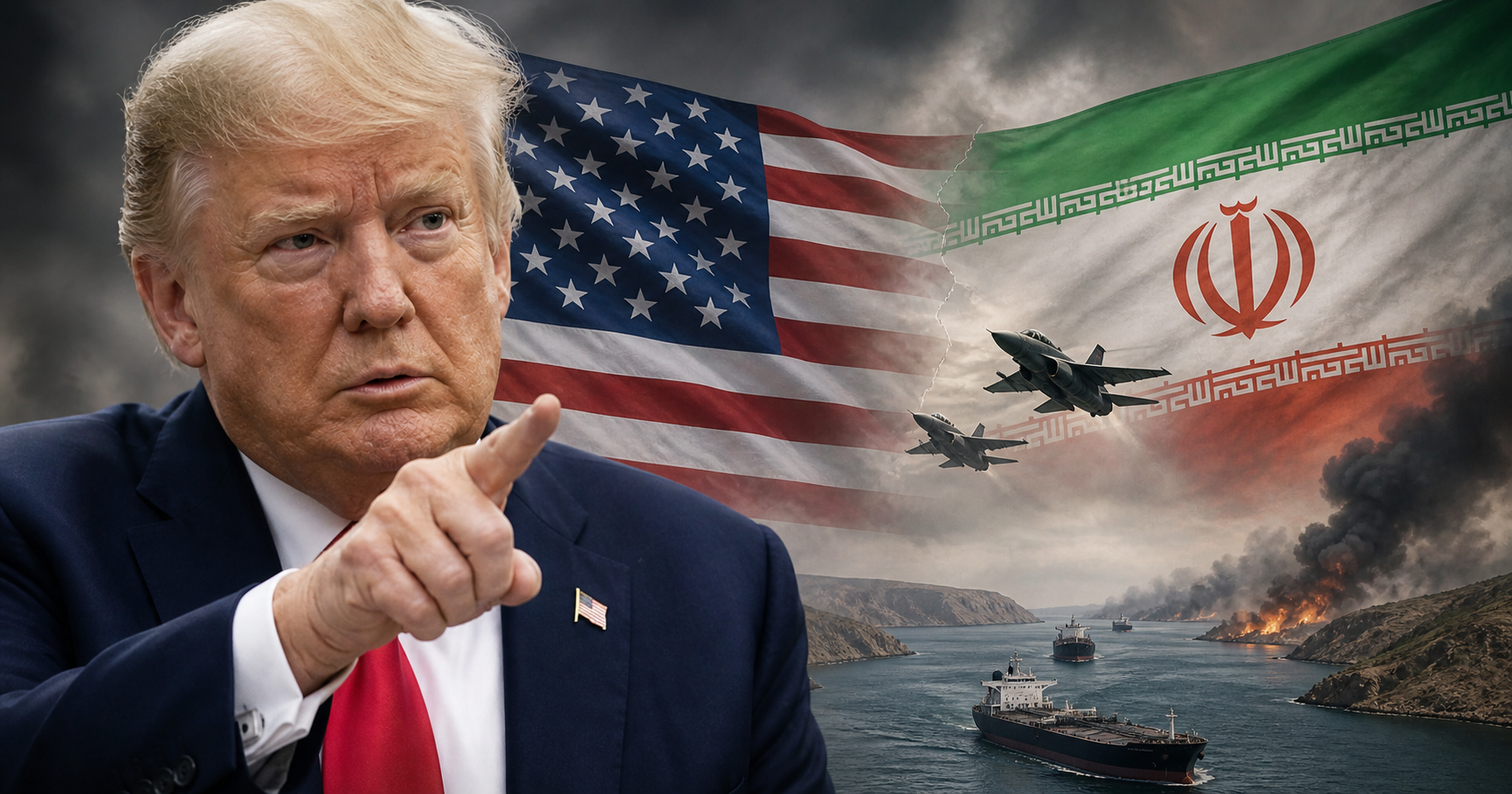
In response, the US Central Command confirmed that 28 vessels were instructed to change course or return to port. This move is part of a broader naval blockade initiated earlier in April.
The US has justified its actions as necessary to maintain regional security and enforce sanctions against Iran. Officials have also emphasized that the blockade will remain in place until meaningful negotiations take place.
Adding to the tension, US forces reportedly boarded a crude oil tanker in the Indo-Pacific region suspected of operating under Iranian links and sanctions violations.
Trump Accuses Iran of Ceasefire Violations
US President Donald Trump has publicly accused Iran of repeatedly breaching the ceasefire agreement. He stated that the naval blockade would continue “in full force” until Tehran agrees to terms that satisfy US conditions.
This strong stance signals a hardening of US policy, reducing the likelihood of immediate de-escalation.
Diplomatic Efforts and Uncertainty Ahead
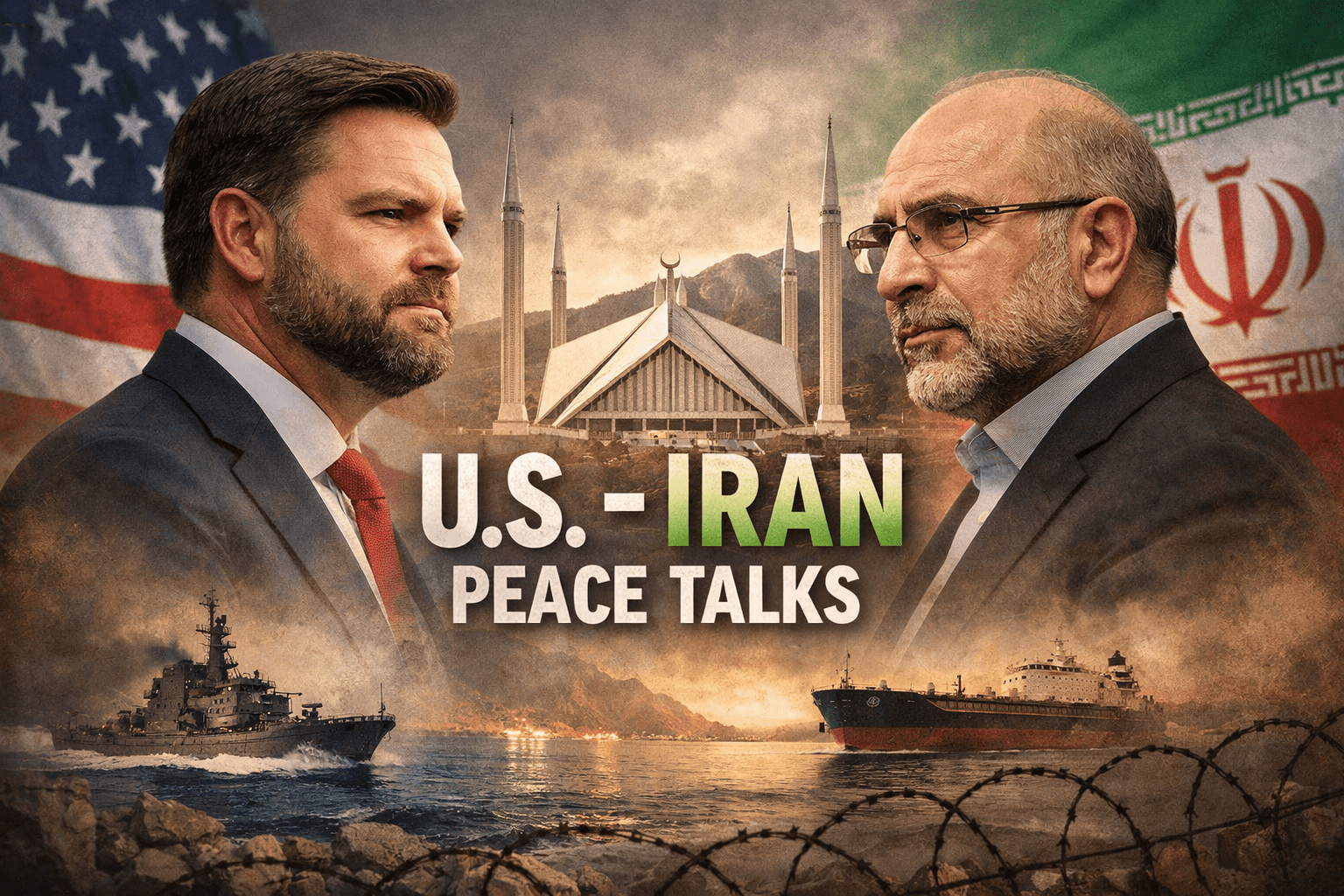
Amid rising tensions, diplomatic channels are still active. US Vice President JD Vance is expected to travel to Pakistan along with envoys Steve Witkoff and Jared Kushner for another round of talks aimed at resolving the crisis.
However, Iran has set a clear precondition: the lifting of the US naval blockade. So far, there has been no confirmation from Tehran regarding participation in these discussions.
Why the Strait of Hormuz Matters
The Strait of Hormuz is one of the most critical chokepoints in global trade, especially for oil shipments. Any disruption in this region can have far-reaching consequences, including:
- Rising global oil prices
- Supply chain disruptions
- Increased geopolitical instability
With tensions escalating and uncertainty growing, global markets and governments are closely monitoring the situation.
What Happens Next?
As the ceasefire deadline approaches, the situation remains highly volatile. If diplomatic efforts fail, the region could see further escalation, potentially impacting global energy markets and international trade routes.
For now, the redirection of vessels and continued naval presence highlight just how fragile the current situation is—and how quickly it could spiral into a larger conflict.