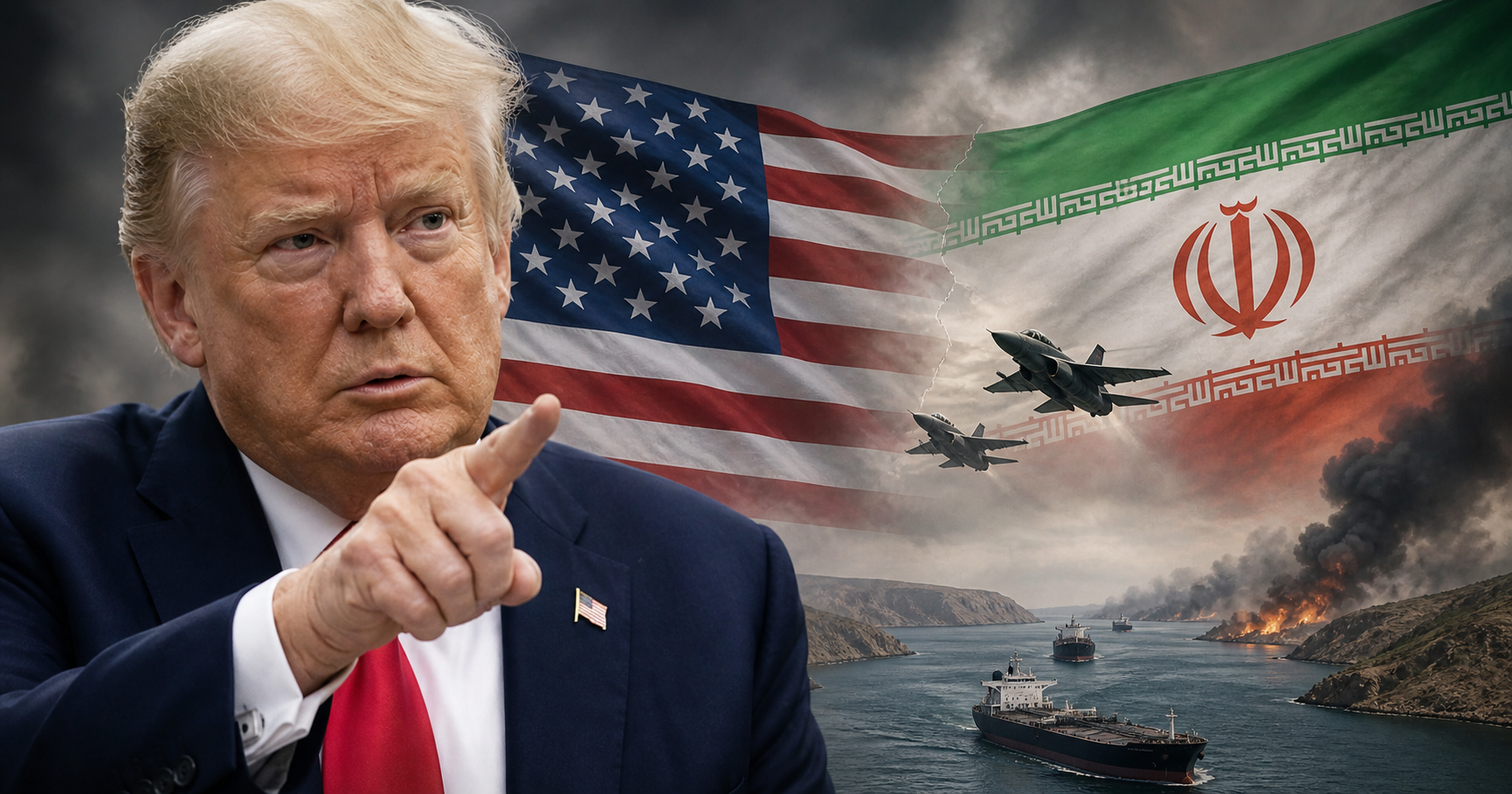


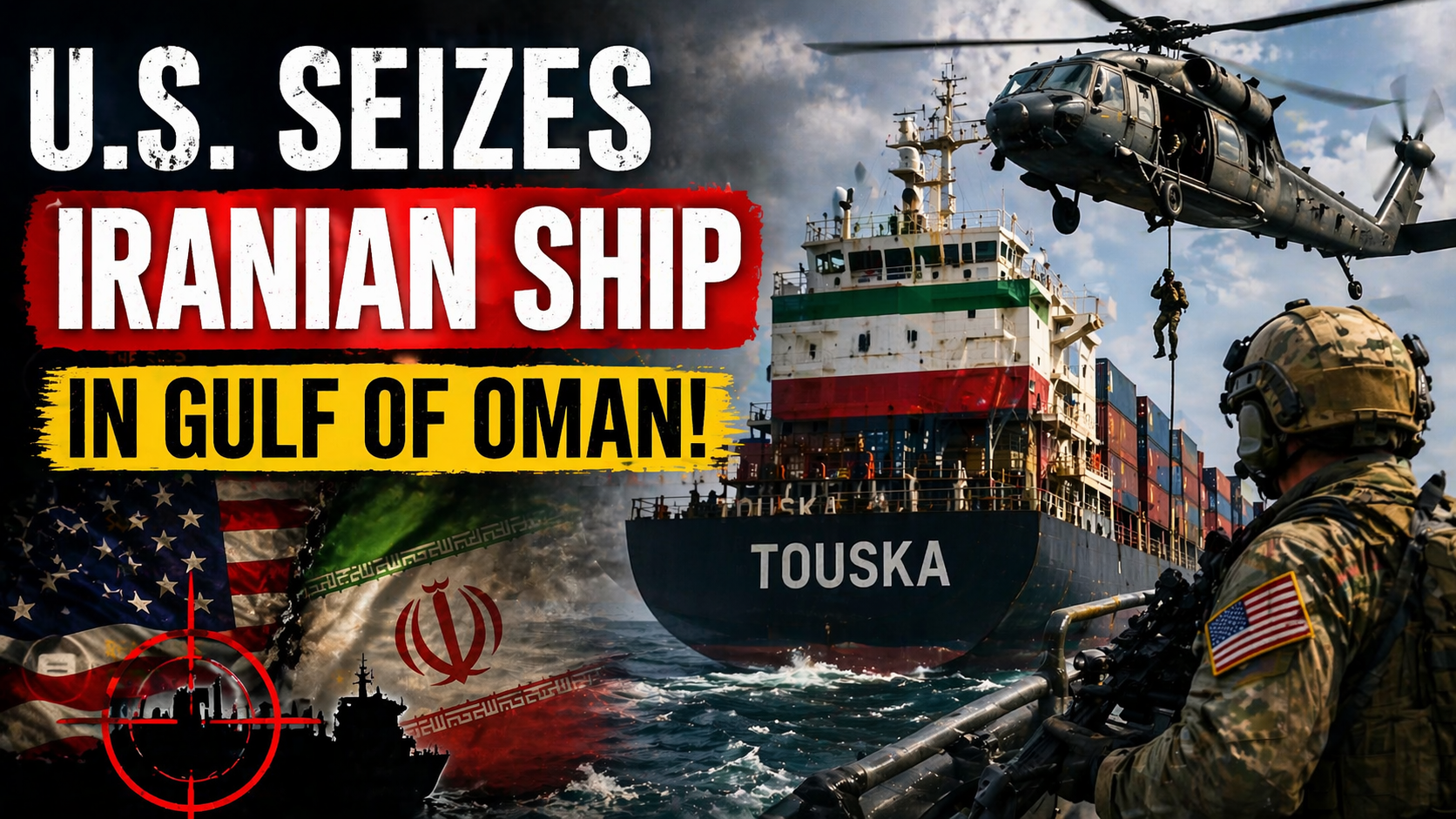
Tensions in the Gulf region escalated sharply after U.S. forces seized an Iranian-flagged cargo vessel, Touska, in the Gulf of Oman, citing suspicions that it was transporting materials with potential military applications. The incident has sparked a fresh diplomatic confrontation between Washington and Tehran, raising concerns about maritime security and the fragile ceasefire in the region.
What Happened?
According to maritime security sources, the Touska was boarded by U.S. forces after it allegedly failed to comply with repeated warnings issued over a six-hour period. The U.S. Central Command stated that the vessel was in violation of an ongoing U.S. blockade targeting shipments linked to Iran.
The ship, part of the Islamic Republic of Iran Shipping Lines (IRISL)—an entity already under U.S. sanctions—was intercepted near Iran’s Chabahar port. Data from ship-tracking platforms confirmed that the vessel had recently completed a voyage from Asia and was carrying multiple containers at the time of interception.
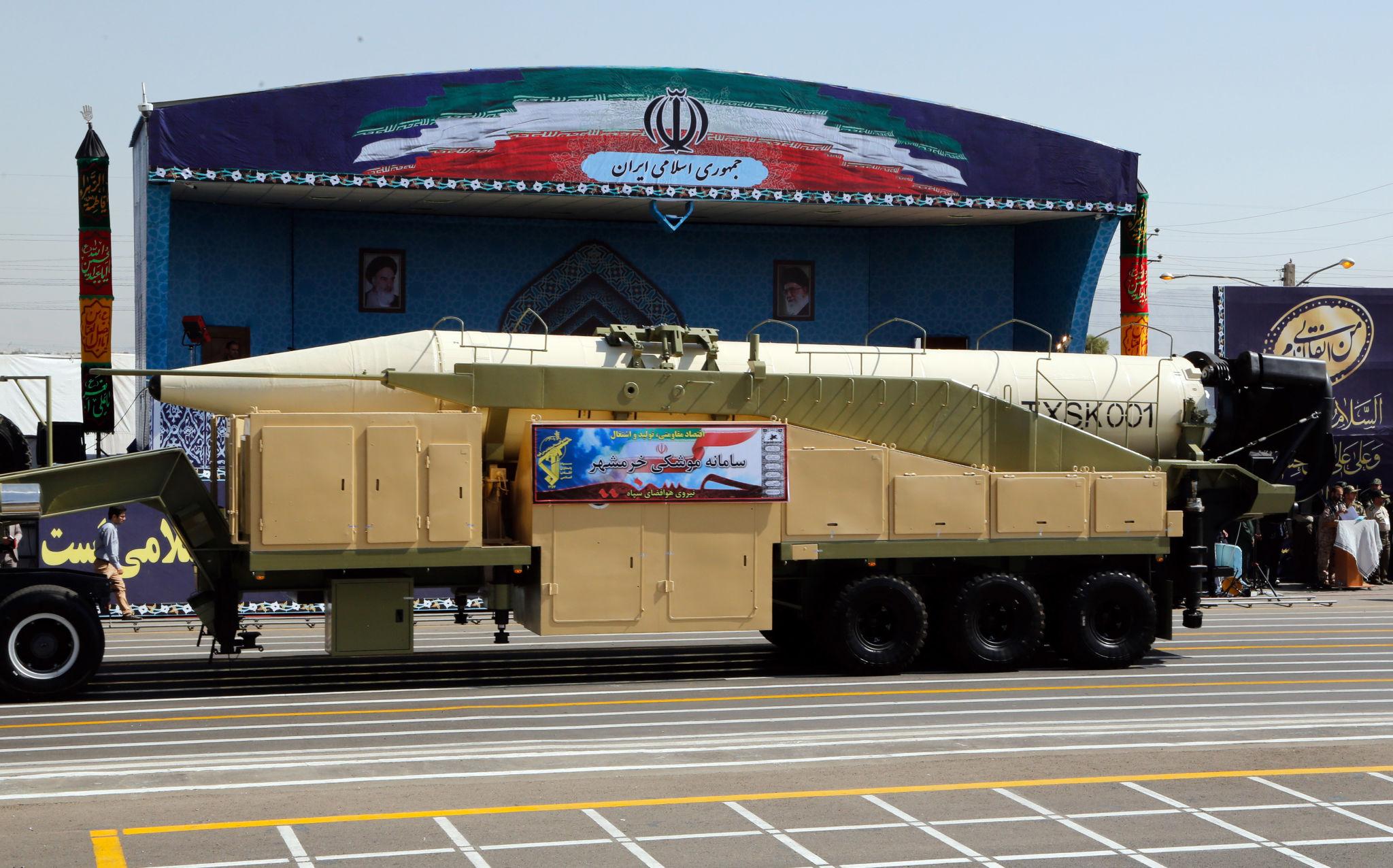
Initial assessments suggest that the cargo may include so-called “dual-use” items—materials that can be used for both civilian and military purposes. These could include industrial metals, electronic components, and specialized pipes often associated with weapons manufacturing or infrastructure development.
Iran’s Strong Reaction
Iran has strongly condemned the seizure, calling it an “unlawful act” and a violation of international law. The country’s foreign ministry demanded the immediate release of the vessel and its crew, arguing that the action breaches a ceasefire agreement reached earlier this month.
Iranian officials have gone further, labeling the incident as “armed piracy” and warning that the United States would bear responsibility for any escalation that follows. However, Iran’s military response appears restrained for now, reportedly due to the presence of crew members’ families aboard the ship.
Strategic and Political Implications
The seizure underscores the intensifying enforcement of U.S. sanctions against Iran, particularly targeting its shipping networks. Since 2019, IRISL has been under sanctions for allegedly facilitating the transport of materials linked to Iran’s ballistic missile program.
The U.S. Navy has recently expanded its blockade, allowing forces to stop and inspect vessels suspected of carrying contraband, including weapons or sensitive materials. This broader interpretation of maritime enforcement significantly increases the risk of confrontations in critical waterways like the Gulf of Oman and the Strait of Hormuz.
China has also weighed in on the incident, expressing concern over the “forced interception” and urging all parties to respect the ceasefire and act responsibly. Given that the Touska had recently docked at multiple Chinese ports, Beijing’s response highlights the broader geopolitical stakes involved.
A Fragile Situation
The seizure of the Touska comes at a time when the region is already on edge due to ongoing conflicts and disruptions in key shipping routes. Any further escalation could threaten global trade, particularly oil shipments that pass through nearby chokepoints.
As both sides maintain firm positions, the incident risks becoming another flashpoint in U.S.-Iran relations. Whether diplomatic channels can prevent further escalation remains uncertain, but the situation serves as a stark reminder of how quickly tensions in strategic waterways can spiral into broader conflict.